By Rejhan Kavazbasic · 7 min read · Updated 5 November 2026
Burn-in: myth or real?
What does and doesn't change in the first weeks with new IEMs or headphones, what measurements show and how to compare fairly yourself.
What people say about it
You read it all the time on forums and in reviews: new headphones sound harsh or boomy at first, and after a while they 'open up'. The numbers for how long that takes vary from a few hours to hundreds. Some people play pink noise through a new set for days before listening to it properly.
The idea isn't silly. A dynamic driver is a cone held by a flexible surround. New materials can be a little stiffer at first, like new shoes. The question is whether that changes enough to hear. You can measure that, and people have.
What measurements show
The best-known test comes from RTINGS. They took four new headphones with different drivers: the AKG Q701 and Beyerdynamic DT 1770 (dynamic), the Audeze LCD-2 Classic (planar) and the Etymotic HF5 (an in-ear with a balanced armature). Each one sat on a measurement head in a closed box and wasn't touched for 120 hours. They played a short sweep, then 50 minutes of pink noise at 90 dB, then 10 minutes of silence, over and over, and measured along the way. Their conclusion: no evidence of a break-in effect. What they did measure was too small to hear.
Earlier, Tyll Hertsens of InnerFidelity did something similar with a new AKG Q701. He measured it straight out of the box and then at set points up to 90 hours. He saw small changes around the driver's bass resonance and in distortion, mostly early on. His own conclusion was careful: this did not show that break-in exists, and if it does, it's a small effect.
RTINGS points out that four headphones don't make a law, and there are thousands of models. But the direction is clear. If a driver changes at all, it's by little, and mostly in the first hours.
Foam tips and ear pads
Soften and compress. The seal and the distance to your ear change, and with them mostly the bass.
Your hearing
Gets used to a new tonal balance. What seemed sharp or thin at first stands out less after a few days.
Dynamic driver
If anything changes, it's in the first hours and very little. Small or not found at all in measurements.
BA drivers, DACs and cables
No change shown.
What does change: tips and pads
Much of what people hear as burn-in isn't in the driver but in what holds it against your ear.
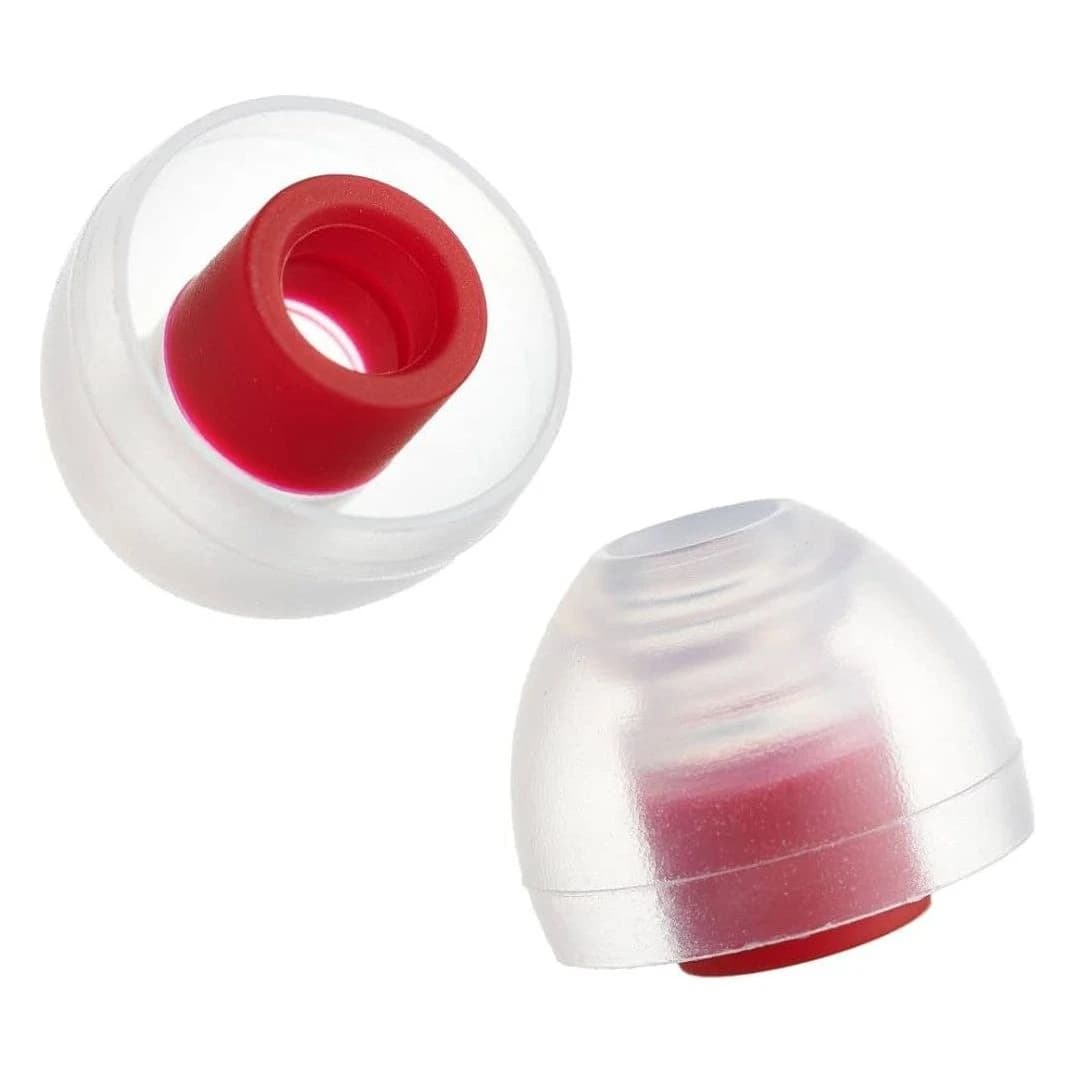
- Foam tips are stiff at first. After a few weeks they're softer, expand faster and seal differently. The seal decides much of how much bass you hear. After a few months they wear out, as our ear tip guide explains.
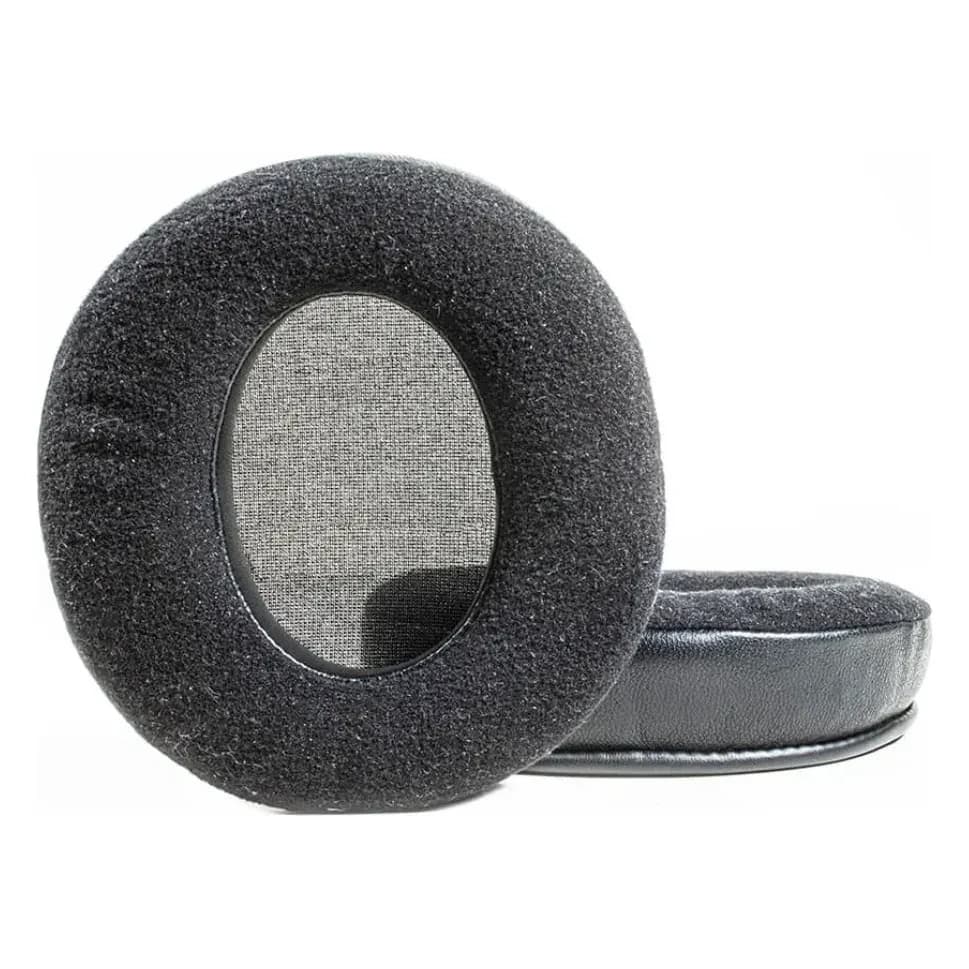
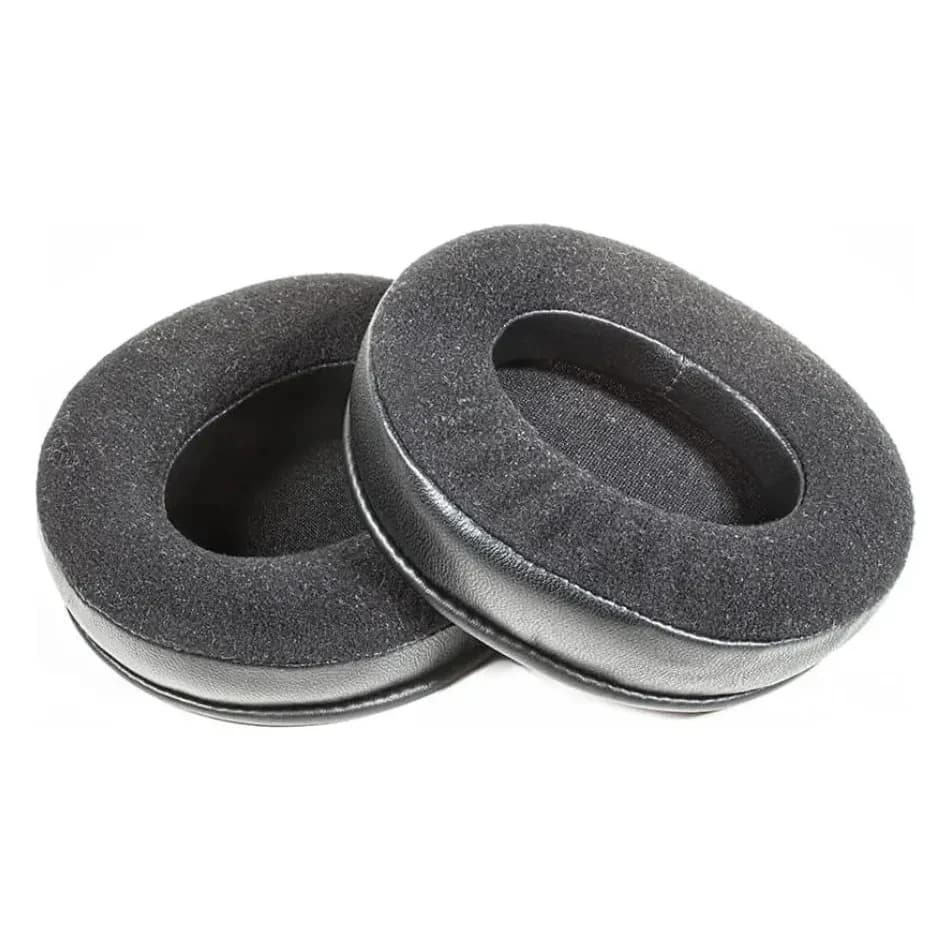
- Headphone ear pads compress. The driver ends up closer to your ear and the pads seal differently. That mainly shifts the bass, and sometimes the treble. On the Audio Science Review forum, Solderdude, who measures a lot of headphones himself, points to this as the explanation for many break-in stories.
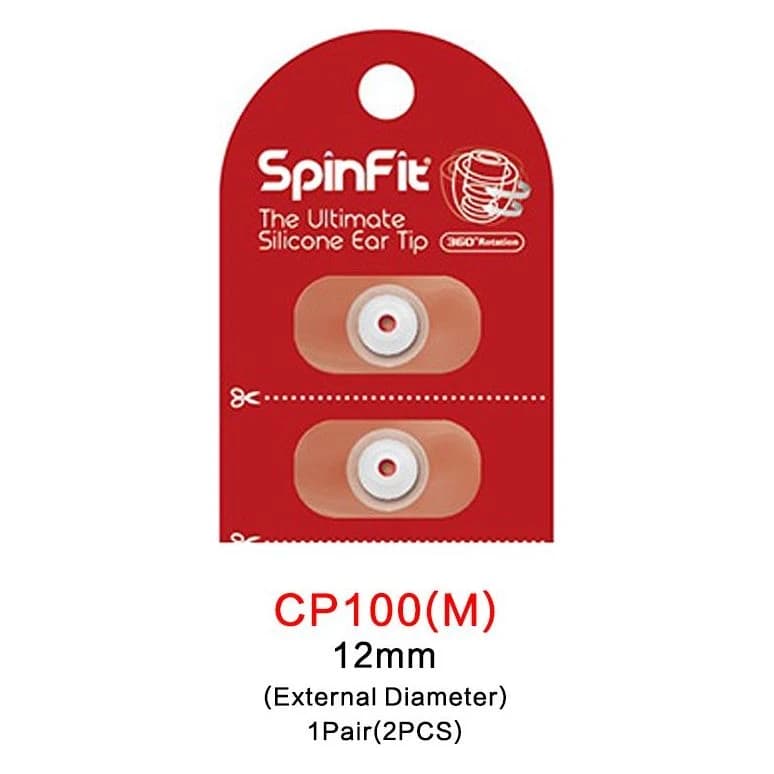
- Silicone tips hardly change. If silicone tips sound different after a week, first check that they sit as deep as on day one.
New pads, fresh start
Replace the pads or tips and the softening and compressing starts again. If familiar headphones sound different with new pads, that's exactly what you're hearing.
Your hearing adapts
The second explanation sits between your ears. Every headphone and IEM has its own tonal balance. On day one a treble peak or a thick bass stands out because you're used to something else. After a few days it's your new normal. Many listeners notice the reverse too: go back to your old set after a week and it sounds odd for a while.
That isn't imagination. You really do hear something different. The change is just in how you listen, not in the device. Your memory for small differences in sound is also short, so comparing an impression from last week with what you hear now is hard.
Part by part: can it change or not?
| Part | Does it change with use? | Good to know |
|---|---|---|
| Dynamic driver | Perhaps a little, in the first hours | Small or inaudible in the RTINGS and InnerFidelity tests. |
| Balanced armature (BA) | No sign of it | A tiny arm between magnets drives a miniature diaphragm. There's no flexible surround to loosen. The Etymotic HF5 in the RTINGS test showed nothing. |
| Planar driver | No sign of it | A thin film between magnets. The Audeze LCD-2 Classic didn't change audibly in the RTINGS test. |
| Foam tips | Yes | Softer in the first weeks, worn out after a few months. |
| Ear pads | Yes | Compress, which changes the seal and the distance to your ear. |
| DAC or amplifier | No | No moving parts. Tube devices do need a few minutes to warm up, but that's not the same as burn-in. |
| Cable | No | Copper and insulation. See our guide to IEM cables. |
How to go about it
- Get the fit right first. Try every tip size, per ear. A leaking tip costs more bass than any driver ever will.
- Just listen to your own music at your normal volume. That breaks the set in by itself, as far as there is anything to break in.
- Don't run pink noise at high volume. It achieves nothing normal listening doesn't, and it puts needless strain on the driver. If you do it anyway, keep it moderate and not in your ears.
- Give your ears a week before you judge. You have 30 days to return with us, so that week fits easily.
- Compare at matched volume and switch quickly. A slightly louder set easily sounds 'better', even when the difference is under 1 dB. Use short pieces of music you know well.
Matched volume
Want to compare two IEMs fairly? Use their sensitivity and impedance to work out how much louder one plays at the same volume setting. Our guide to impedance and sensitivity shows how.

Products in this guide


Read next
- 6 min readHow to read a frequency-response graphWhat the squiggly line means, why IEMs peak around 3 kHz and how to use a graph to compare two models.
- 9 min readHi-fi glossary: soundstage, imaging, sibilance and moreThe words reviewers use, in plain language: what you hear, and where it shows on a frequency graph. From sub-bass and sibilance to soundstage, imaging and driver flex.
- 7 min readIEM drivers explained: dynamic, balanced armature, planar and hybridHow the different drivers in an IEM work, what each type is good at and what a measurement does and doesn't tell you about them.