By Rejhan Kavazbasic · 9 min read · Updated 5 November 2026
Music to test your IEMs or headphones
How to listen when you compare two pairs, which tracks show bass, vocals, sibilance, cymbals, space and busy passages clearly, and a checklist for your own favourites.
Start with music you know
Test tracks have no magic powers. A song works as a test when you've heard it so often that you notice when something is different: the bass line that's suddenly softer, a voice that sounds thinner, a cymbal that suddenly stings. That's why your own favourites come first. The tracks in this guide are extras: well-known recordings that each show one thing clearly.
Pick songs in different styles. A pair that sounds lovely with acoustic music can be tiring with loud rock, and the other way round.
Highest quality
Set your streaming app to its highest quality and download the tracks. That way a weak connection won't drop the quality halfway through.
How to listen fairly
Two things trip up almost everyone. The first is volume. If one pair plays a little louder, it usually sounds fuller and clearer, even when you don't consciously hear that it's louder. IEMs differ a lot in sensitivity, so the same volume step on your phone doesn't give the same loudness.
The second is memory. You only remember small differences in sound for a few seconds. Switching after a whole album says more about your mood than about the IEMs.
- 1
Pick 3 to 5 tracks
Music you know inside out, in different styles.
- 2
Switch off effects
Equalizer, spatial audio or Dolby Atmos and volume boosters in your app or phone.
- 3
Match the volume
Set each pair so a speaking voice sounds equally loud.
- 4
Switch quickly
The same 10 to 20 second passage on one, then on the other.
- 5
Listen for one thing at a time
Bass first, then the voice, then the treble. Write one sentence per round.
- 6
Reverse the order
Start with the other pair now, or let someone else switch without telling you which is which.
Still hear the difference? Then it's really there.
Matching the volume by ear is never exact, so be extra critical of small differences. A podcast or audiobook works well: an ordinary speaking voice is easy to compare by ear.
Fit first
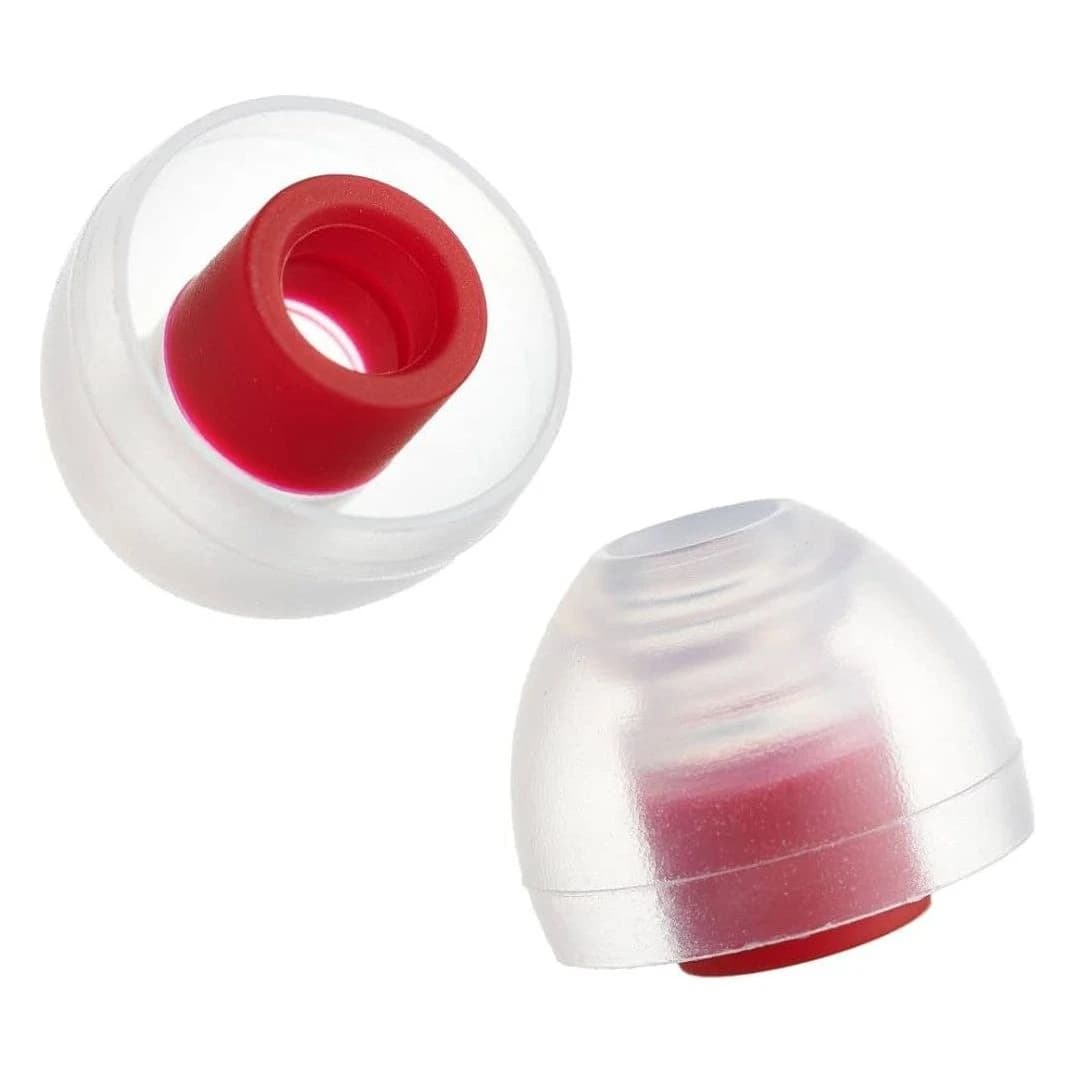
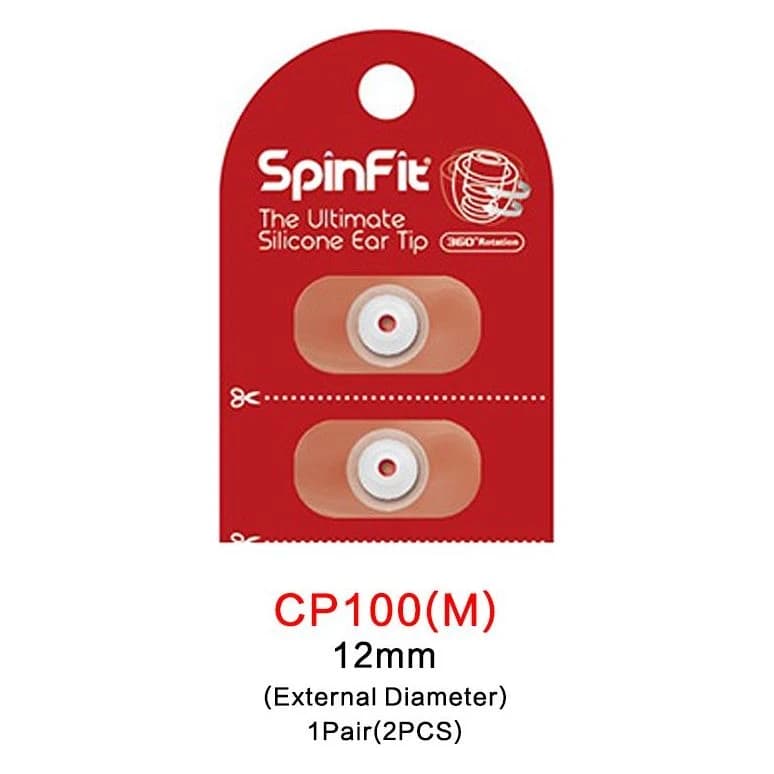
Use the tip that seals best on each pair before you compare. A tip that leaks costs bass, and then you're comparing the fit instead of the IEM. Our ear tips guide shows how to find your size.
Keep the volume moderate. Louder doesn't reveal more, and an hour of testing at high volume adds up. Our guide to safe listening has the numbers.
Bass: depth and control
Listen for two things: how deep the bass goes, and whether it stays tight. Good control means every kick drum stops cleanly and a bass line is made of separate notes, not one long drone.
| Track | What to listen for |
|---|---|
| Massive Attack – Angel | The song opens with a slow, deep bass line. Do you hear each note on its own, or do they run together into a hum? |
| James Blake – Limit to Your Love | A Feist cover with piano, silences and then a very low sub-bass. Does the bass go deep without burying the piano and the voice? |
| Billie Eilish – bad guy | A deep synth bass under a soft voice sung close to the microphone. Does the voice stay clear while the bass pumps? |
| Paul Kalkbrenner – Sky and Sand | A steady kick drum and a long bass line, with vocals by his brother Fritz. Does each kick stop before the next one, or does it smear? |
| Stromae – Alors on danse | Dry electronic bass and a voice halfway between speaking and singing. A good check of whether the mid-bass spills over the voice. |
Hear it, don't feel it
An IEM can't push air against your body the way a loudspeaker does. You hear the deep rumble, but you don't feel it in your chest. So judge sub-bass by what you hear.
Vocals and sibilance
Voices are what we know best, so that's where you notice fastest when something is off. Listen whether a voice sounds natural: not too thin, not too thick, not too far away and not shouty.
| Track | What to listen for |
|---|---|
| Adele – Someone Like You | Just voice and piano. Does her voice have weight in the low notes, and does it stay smooth when she sings out? |
| Tracy Chapman – Fast Car | Voice and the repeating acoustic guitar riff. Does the guitar sound like wood and strings, not plastic? |
| Herbert Grönemeyer – Der Weg | A low male voice with piano. Does the voice sound full without booming? |
| Selah Sue – Raggamuffin | A raw voice over a heavy bass line. Do you hear the rasp as texture, or as distortion? |
For sibilance, take soft voices recorded close to the microphone, with lots of S and T sounds. Listen whether they sound like a soft hiss or a sharp sting.
- Billie Eilish – when the party's over: a whispered voice over a sparse piano.
- Norah Jones – Don't Know Why: a soft voice up close, with piano and a gentle band.
Is it the recording?
Hearing sharp S sounds? Try a few other songs. If only one stings, it's the recording. If they all do, it's the IEM or the fit: a tip that sits deeper or shallower moves the treble peak.
Cymbals and treble
Cymbals tell you a lot about the treble. They should shimmer and fade out calmly, not splash, hiss or sound like tin.
| Track | What to listen for |
|---|---|
| Steely Dan – Aja | Steve Gadd's famous drum solo work, with lots of cymbals. The album won a Grammy for its engineering in 1978. Does each cymbal sound different, or does it turn into one haze? |
| The Dave Brubeck Quartet – Take Five | Ride cymbal and drums under the whole melody, and a drum solo by Joe Morello. Do the cymbals sound natural or hissy? |
| Golden Earring – Radar Love | Driving hi-hats and, in the album version, a drum break in the middle. Does it stay crisp at a moderate volume? |
| Daft Punk – Get Lucky | Played by session musicians rather than programmed, with Nile Rodgers' guitar and a tight hi-hat. Random Access Memories won the 2014 Grammy for Best Engineered Album, Non-Classical. |
Space and busy passages
For soundstage and imaging, take recordings with a lot of movement between left and right. For dynamics and separation, take music that goes from very quiet to very full.
| Track | What to listen for |
|---|---|
| Pink Floyd – Time | Opens with a room full of ticking and ringing clocks. Engineer Alan Parsons recorded them in an antique shop as a test for quadraphonic sound. Can you point at single clocks? |
| Hans Zimmer – Time | From the film Inception. It builds slowly from a few quiet notes to a full orchestra. Does the picture get wider and deeper, and does it stay clean at the peak? |
| Maurice Ravel – Boléro | One long crescendo over a snare drum rhythm that never stops, from very soft to the whole orchestra. Pick any good orchestral recording. A test of dynamics, and at the end of separation. |
| Queen – Bohemian Rhapsody | The opera section is full of stacked vocal layers. Can you still follow separate voices, or does it become one wall? |
| Within Temptation – Ice Queen | Dutch symphonic metal: guitars, drums, layers of keyboards and Sharon den Adel's high voice all at once. Does the vocal stay on top? |
| Rammstein – Sonne | Low, heavy guitars and a pounding rhythm. Does the low end stay clean when everything plays at once? |
Binaural recordings
Curious what headphones or IEMs can do with space? Look for binaural recordings. They're made with microphones in the ears of a dummy head, and can sound as if the sound comes from outside your head.
A checklist to take along
Go through these questions with your own songs and a few from this guide. Write a short answer for each pair.
- Bass: do you hear separate notes in a bass line, and does each kick stop cleanly?
- Sub-bass: does the deepest rumble come through at a moderate volume?
- Voices: natural, not thin, not booming, not shouty?
- S and T sounds: soft or stinging, and on every song or only one?
- Cymbals: shimmer and fade out, or splash and hiss?
- Space: can you point at instruments, and do the vocals sit in the centre?
- Busy passages: can you keep following one instrument?
- After an hour: still comfortable, or do you want to take them out?
Want words for what you hear? Our hi-fi glossary explains soundstage, sibilance, warmth and the rest.
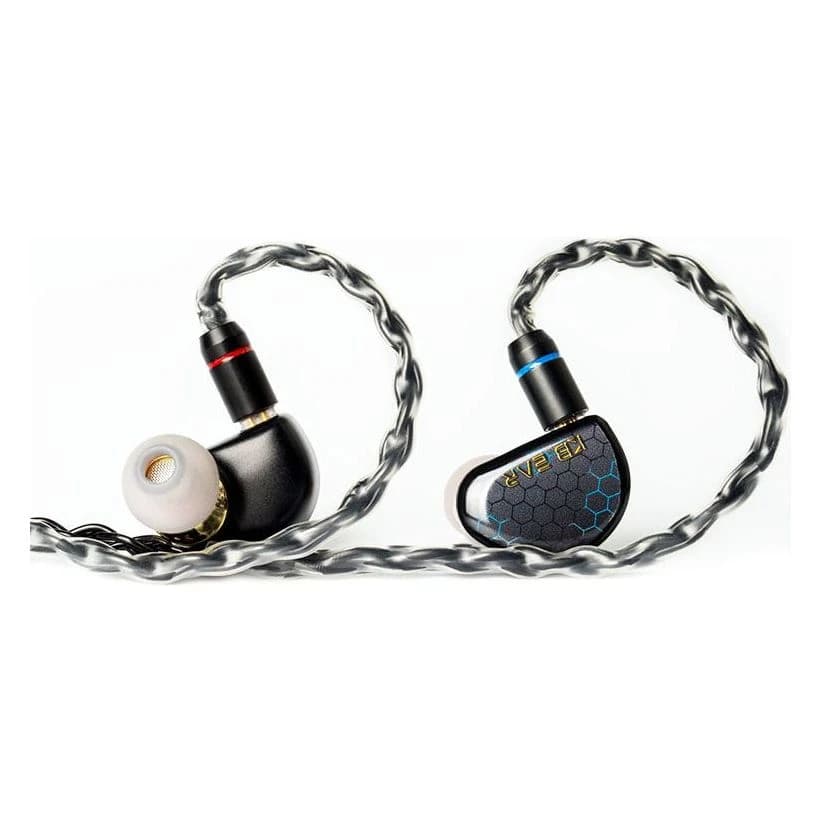
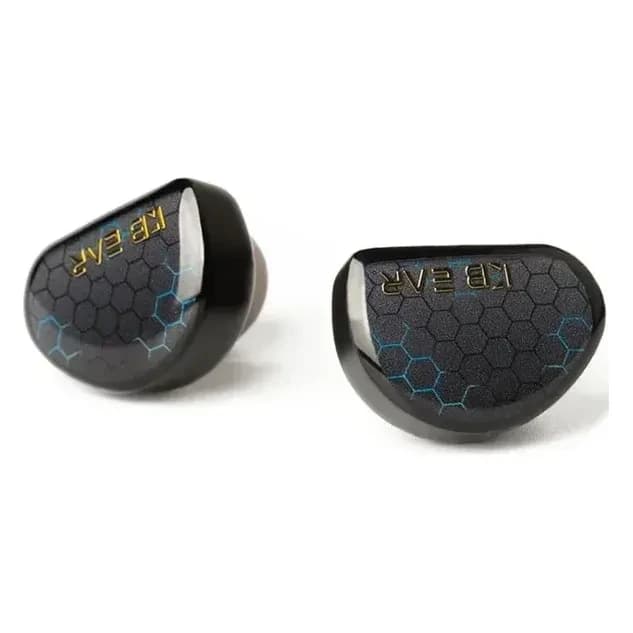
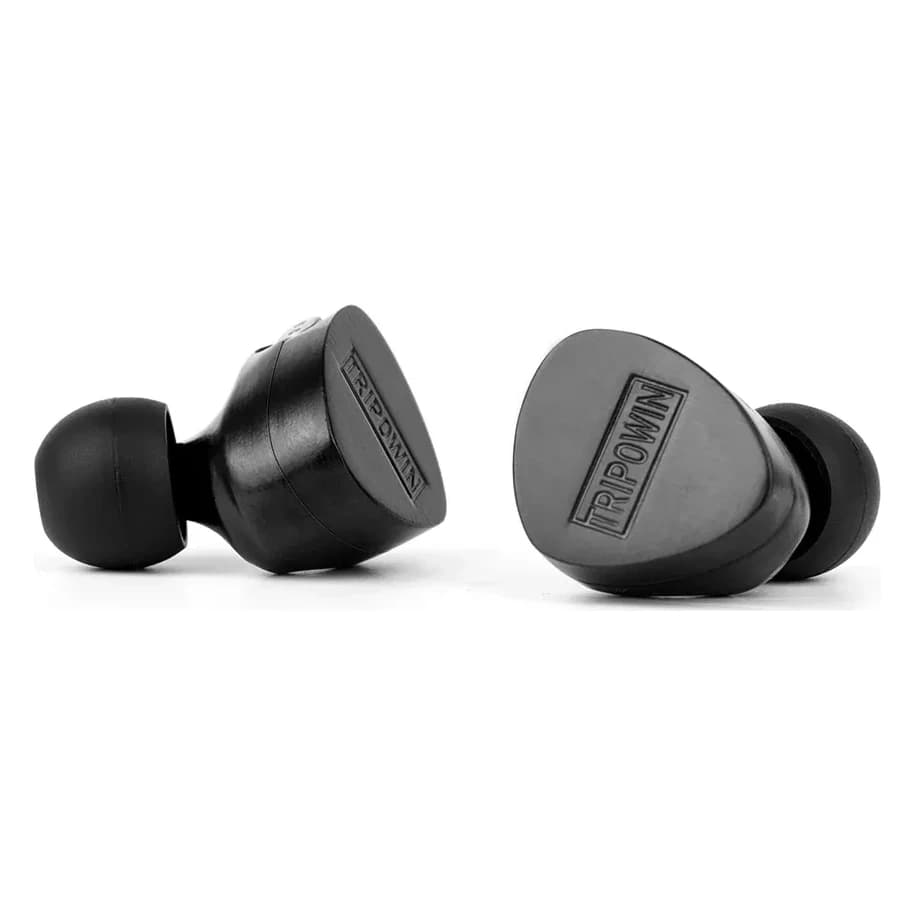
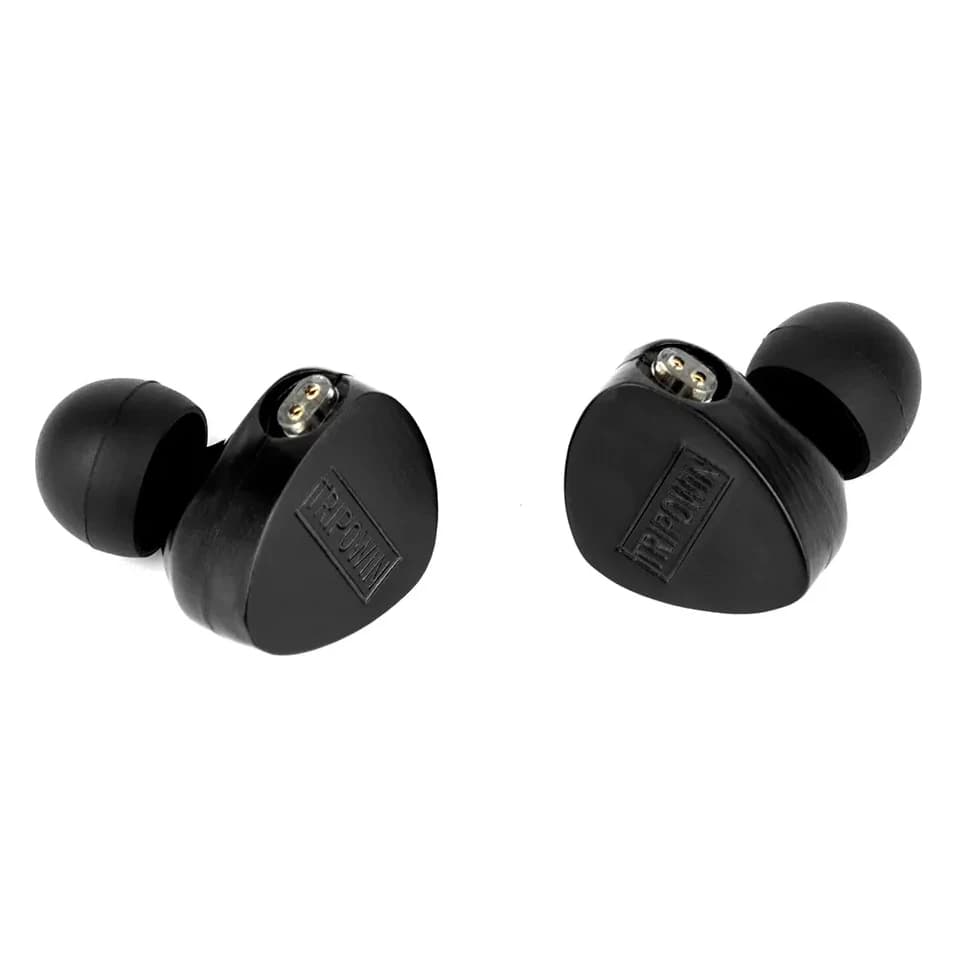
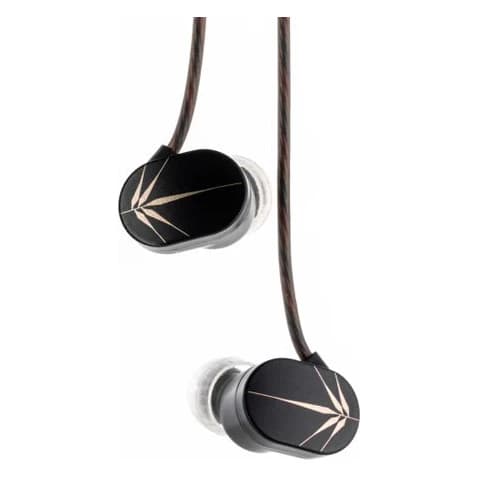
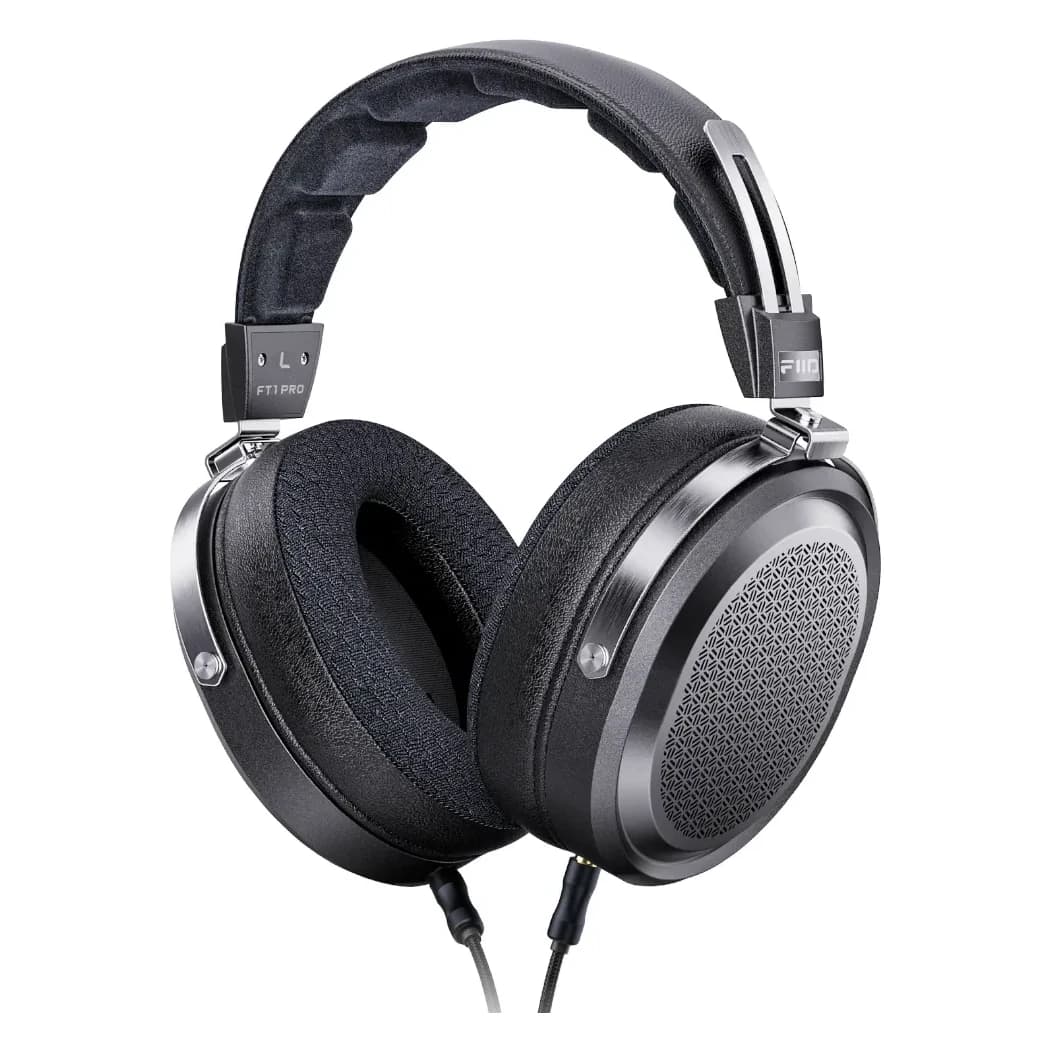
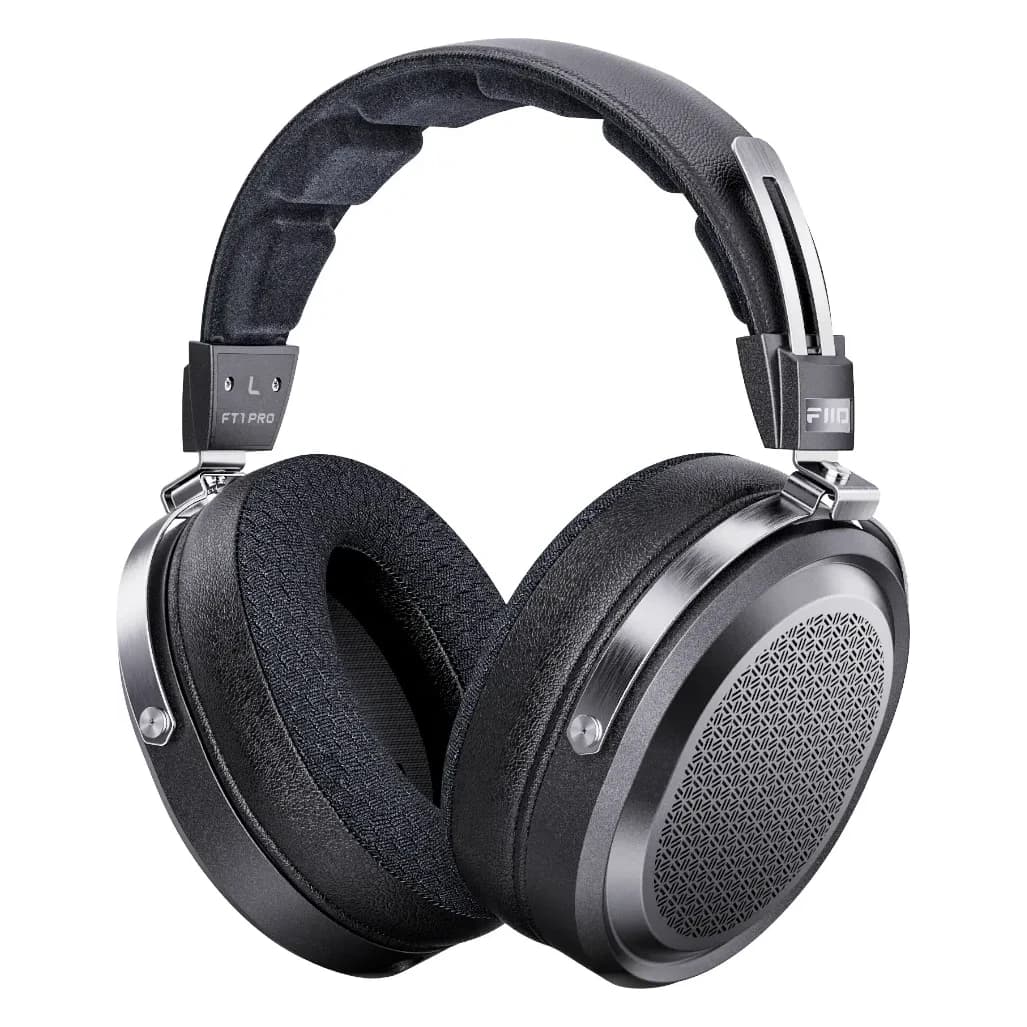
Want to hear what tuning does? These four measure with clearly different curves: the KBEAR Ink as a V-shape, the Tripowin Leá close to the target, the Moondrop Chu with less bass, and the FiiO FT1 Pro as an open-back headphone.
Products in this guide
Read next
- 6 min readCleaning and caring for your IEMsHow to clean nozzles and ear tips without damaging anything, what to do after a sweaty session, how to treat the cable, and how to tell what's wrong when one side sounds off.
- 7 min readSafe listening: how loud, how longThe WHO and EU guideline in plain numbers, why every 3 dB counts, how a good seal lets you turn down, and the warning signs that mean you should see a doctor.
- 5 min readEar tips: silicone, foam or SpinFitWhy the ear tip decides how your IEM sounds, how to find your size, how to use foam and when it's time for new tips.