By Rejhan Kavazbasic · 9 min read · Updated 5 November 2026
Balanced (4.4 mm) or 3.5 mm: when does it matter?
What a balanced output really does on a dongle, how much extra power it gives on the dongles we sell, when it helps, when it adds hiss, and which adapters are safe.
What balanced means on a dongle
A normal 3.5 mm output has one amplifier per channel. It pushes the signal to the driver, and the current comes back over a ground wire that left and right share. That's why a 3.5 mm plug has three contacts: left, right and ground.
A balanced output has two amplifiers per channel. One sends the signal, the other sends exactly the same signal upside down. The driver sits between them and gets the difference: in theory twice the voltage from the same battery. Engineers call this bridge-tied load, or BTL. Left and right no longer share a wire, so the plug needs four signal contacts. The 4.4 mm plug adds a fifth one for ground.
Single-ended (3.5 mm)
One amplifier per channel. Both drivers send their current back through one shared ground wire.
Balanced (4.4 mm)
Two amplifiers per channel, in opposite phase. The driver sits between them and in theory sees twice the voltage.
Not the same as balanced in the studio
In a studio, 'balanced' means a microphone or line cable whose receiving end cancels interference picked up along a long cable. A balanced headphone output is a different trick with the same name: it's about how the driver is driven, not about interference in the cable.
What it gets you: voltage, power and channel separation
Twice the voltage means up to four times the power into the same load, because power goes with the square of the voltage. In practice the battery, the current a chip can deliver and heat set limits, so real dongles end up at two to four times.
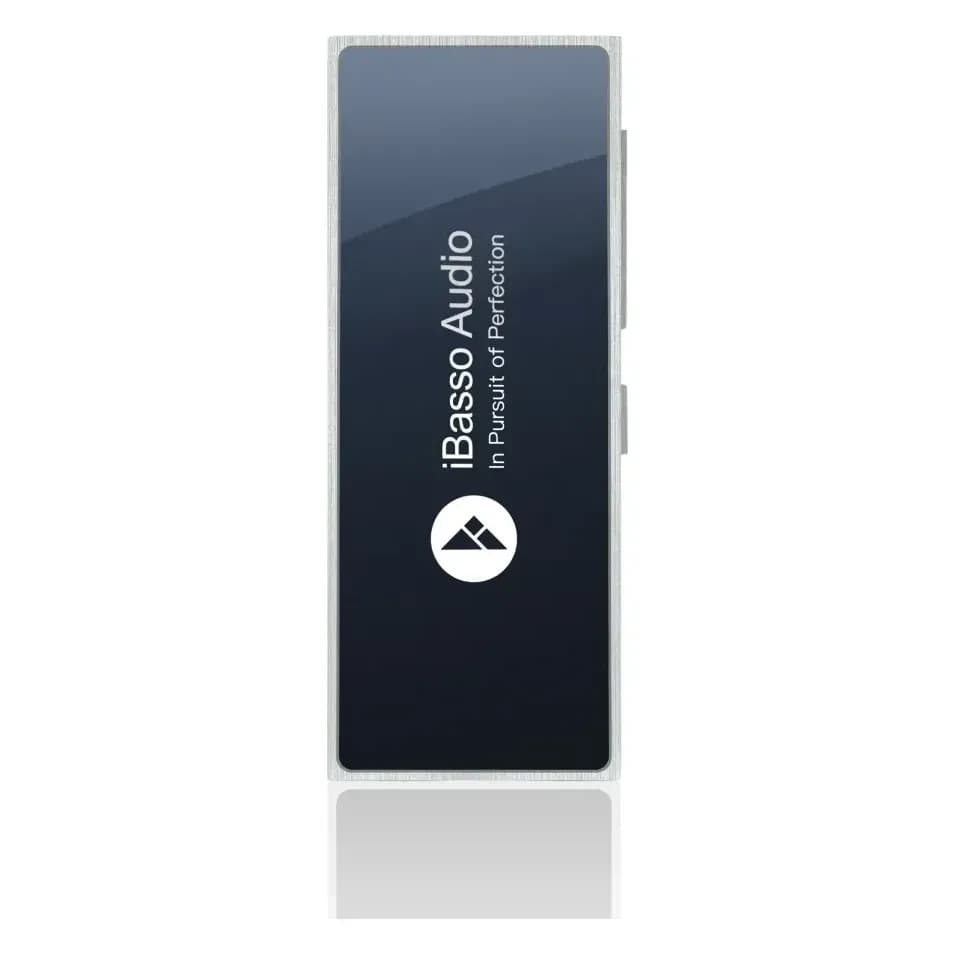
Take the iBasso DC04 Ultra. iBasso lists 280 mW per channel into 32 Ω from 3.5 mm and 980 mW from 4.4 mm. Worked out, that's about 3.0 volts against 5.6 volts: almost twice the voltage, three and a half times the power.
Channel separation improves too. With a shared ground wire, a tiny bit of the left signal ends up in the right channel, because that shared wire has a little resistance. With a separate return per channel, that path is gone. It's measurable, but with a short IEM cable the effect is small.
Some makers also list a better signal-to-noise ratio for the 4.4 mm output. iBasso gives 132 dB for 4.4 mm and 126 dB for 3.5 mm on the DC04 Ultra. Read on before you count that as a win for every IEM, though.
The numbers on our dongles
| Model | 3.5 mm | 4.4 mm | Factor | Price |
|---|---|---|---|---|
| FiiO KA13 | 170 mW | 550 mW | 3.2× | €64.95 |
| FiiO BTR13 | 100 mW | 220 mW | 2.2× | €74.95 |
| iFi GO link 2 Max | 100 mW* | 241 mW | 2.4× | €89 |
| iBasso DC04 Ultra | 280 mW | 980 mW | 3.5× | €119 |
| FiiO KA17 | 270 mW | 650 mW | 2.4× | €139.95 |
| FiiO QX13 | 310 mW | 900 mW | 2.9× | €239.95 |
| iBasso DC-Tonfa | 219 mW | 800 mW | 3.7× | €329 |
| iFi GO bar Kensei | 300 mW* | 477 mW | 1.6× | €469 |
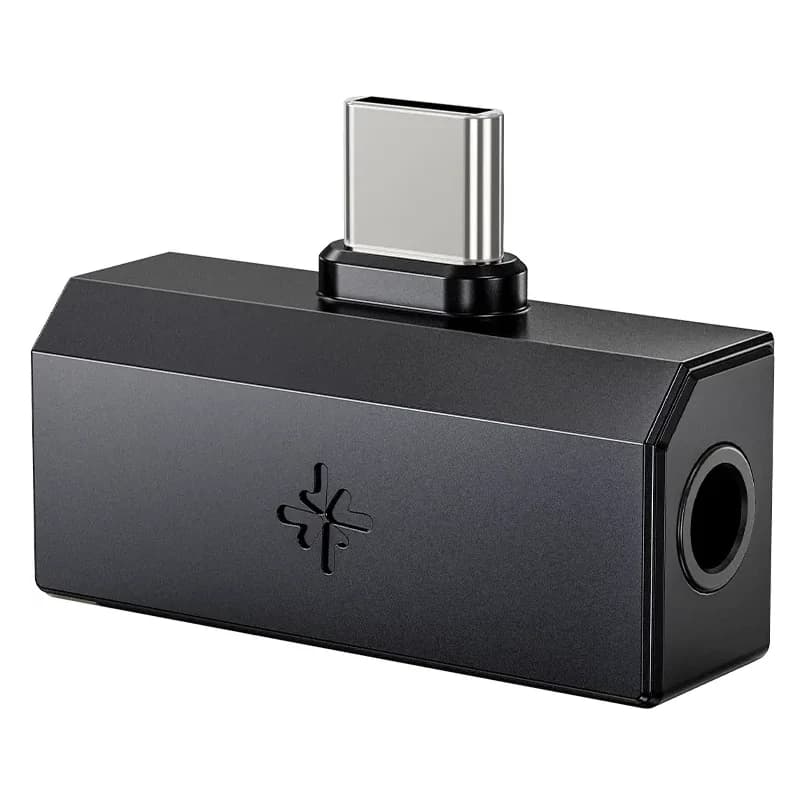
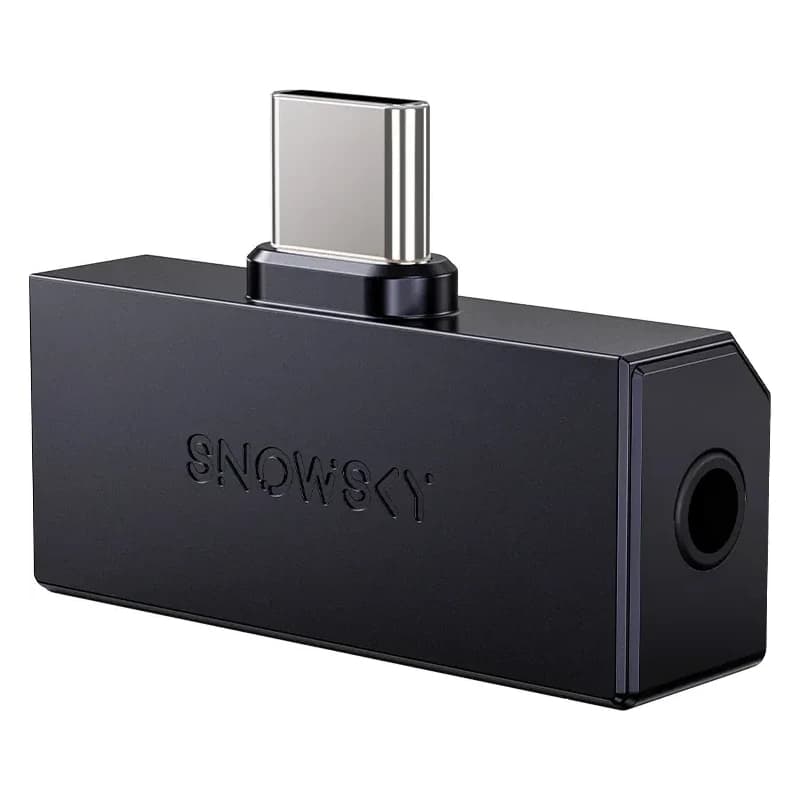
The FiiO JIEZI B and SnowSky Tiny B aren't in the table: FiiO lists no power figure for these small dongles.
Now put that next to what an IEM needs. The KZ EDX Pro has a sensitivity of 112 dB/mW, so 100 dB, which is already loud, takes about 0.06 milliwatts. The weakest 3.5 mm output in the table delivers 100 mW: more than 1,500 times as much. Even the least sensitive headphone we sell, the FiiO JT7 at 92 dB/mW, needs 6.3 mW for 100 dB.
When balanced helps, and when 3.5 mm is better
Balanced makes sense when:
- you have headphones that need a lot of voltage, such as a 250 to 300 Ω dynamic model or a planar with low sensitivity. That's where a dongle's 3.5 mm output can run short. None of our headphones are in that class (see our headphone guide), but FiiO's bigger planars come with a 4.4 mm cable or plug in the box anyway.
- your dongle's 4.4 mm output simply has better specs, like the higher signal-to-noise ratio of the DC04 Ultra, and your IEM isn't so sensitive that hiss becomes a factor.
- your IEM already comes with a 4.4 mm plug. The FiiO FH19 and FA19 ship with the 4.4 mm plug fitted.
With sensitive IEMs, more isn't better. Two amplifiers per channel also means two sources of noise. That noise adds up, so on paper the signal-to-noise ratio still improves, but the noise voltage at the driver itself can be higher than on the 3.5 mm output. A sensitive IEM plays that hiss just as efficiently as the music. If you hear a soft hiss in quiet passages on 4.4 mm, try the 3.5 mm output.
The output impedance can also be higher on a balanced output, because two outputs sit in series. That matters for multi-driver IEMs with a low impedance, like the FiiO FA19 at 10 Ω. A common rule of thumb: keep the output impedance below one eighth of your IEM's impedance, or the tuning can shift. The maker's spec sheet gives the number.
Bothered by hiss
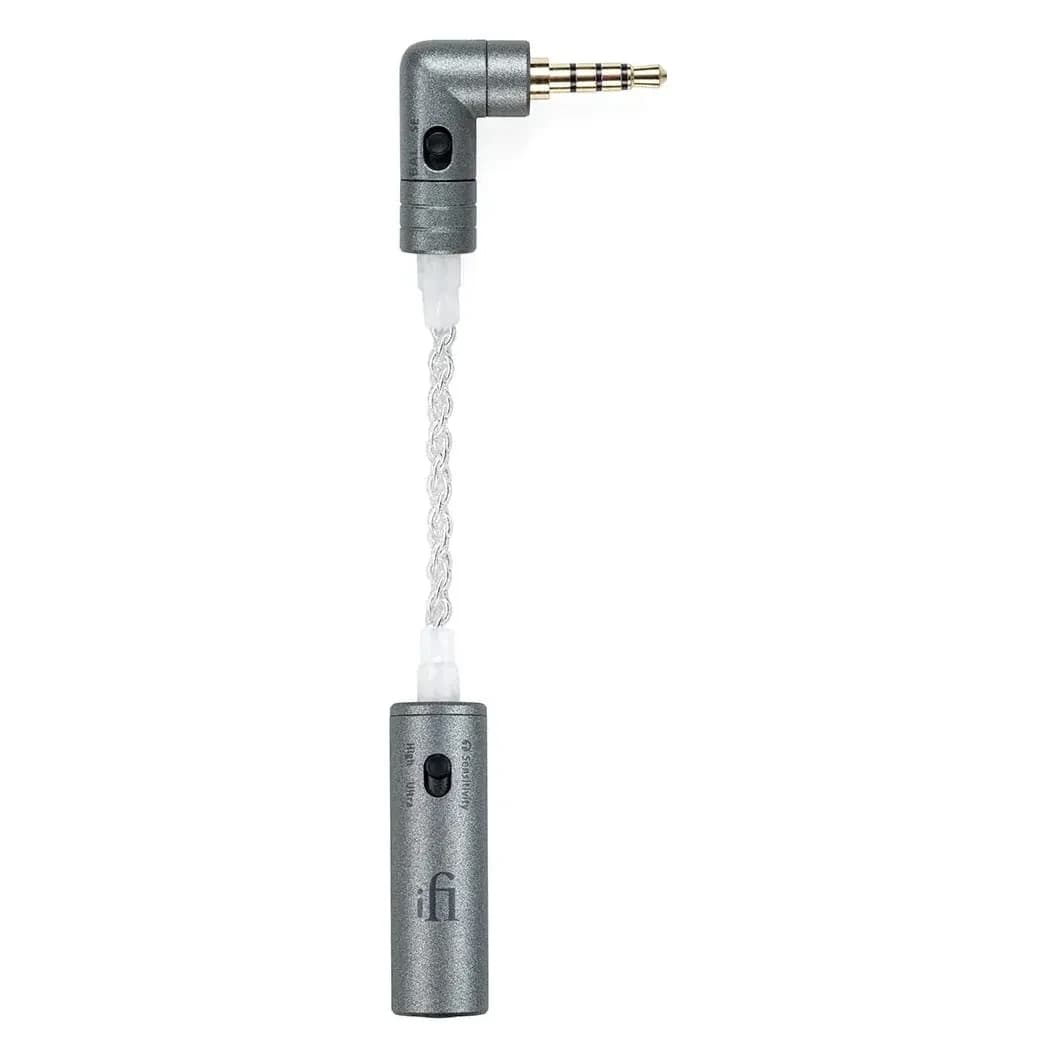
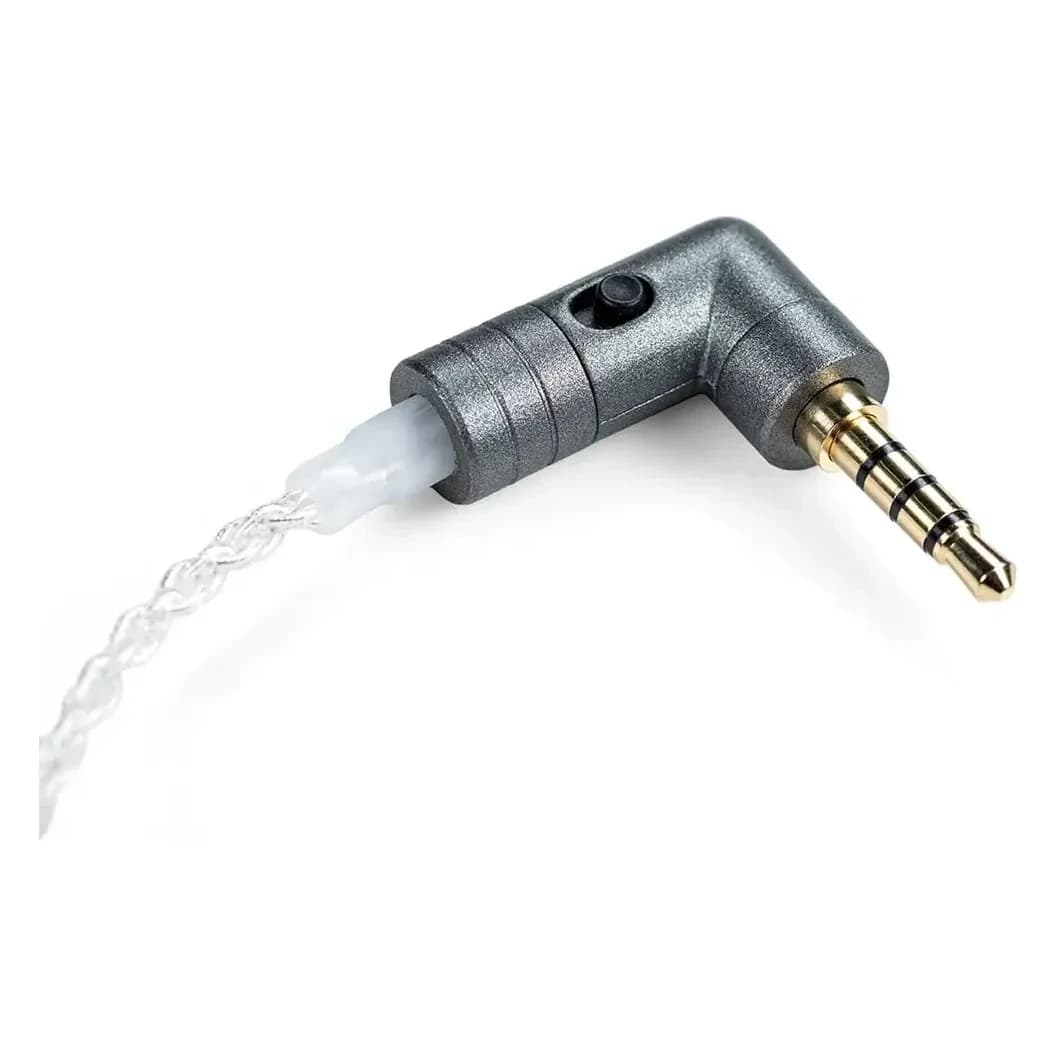
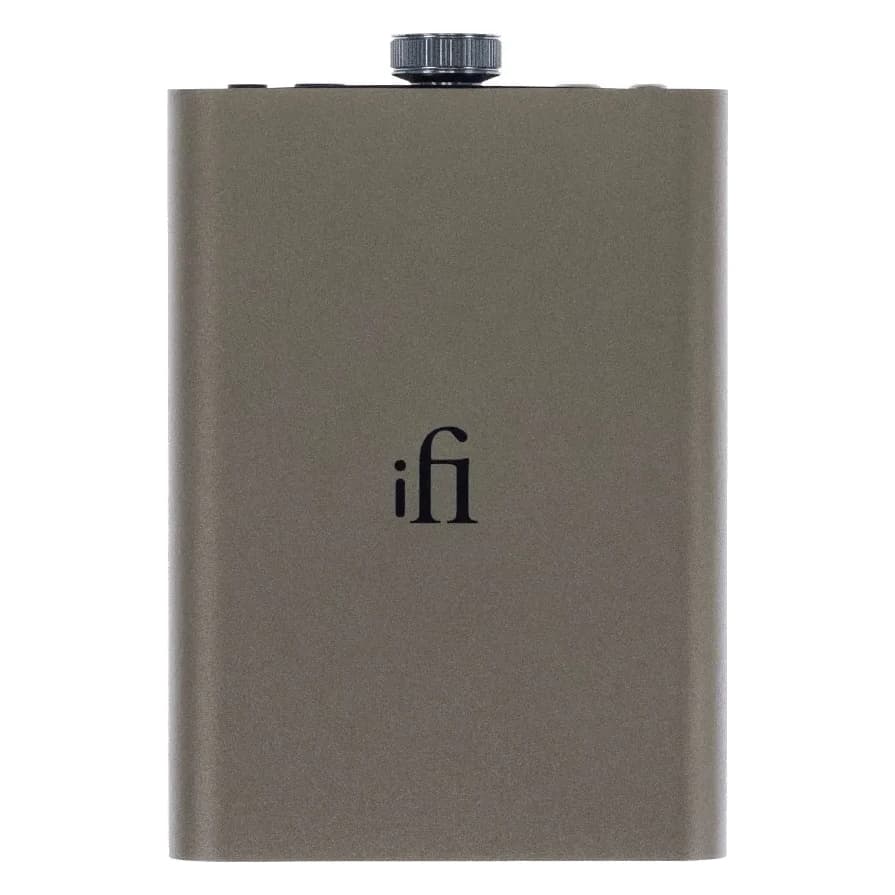
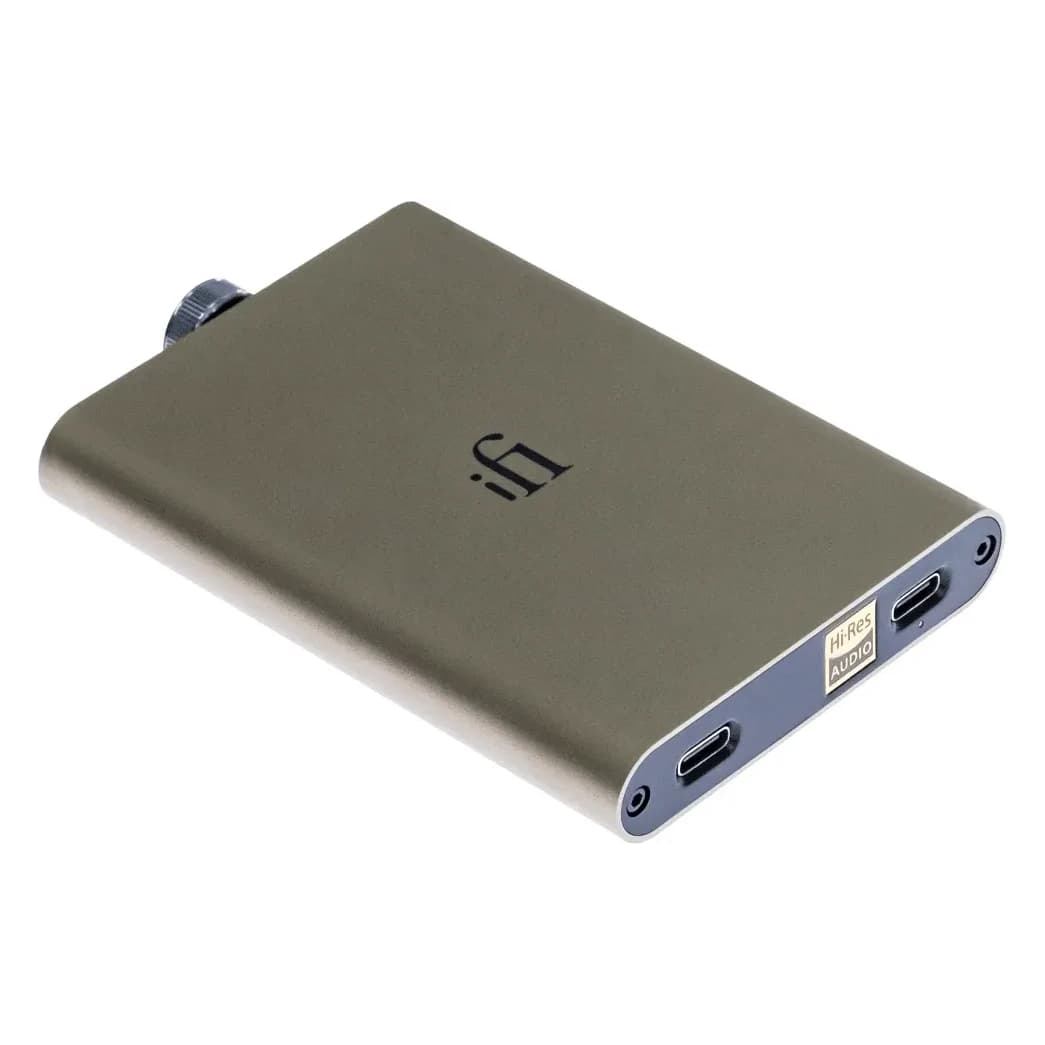
Some dongles have a low-gain setting, and iEMatch on the iFi hip-dac3 turns the output down for sensitive IEMs. For any 3.5 mm source there's the iFi iEMatch+ (€49), a small attenuator between source and IEM.
The plugs: 2.5 mm and 4.4 mm
Balanced outputs come with two plug sizes.
| 2.5 mm | 4.4 mm (Pentaconn) | |
|---|---|---|
| Contacts | 4: L+, L−, R+, R− | 5: L+, L−, R+, R−, ground |
| Found on | Older portable players and some amplifiers | Nearly every recent dongle and player with a balanced output |
| Good to know | Thin plug, bends more easily | Set out in the Japanese standard JEITA RC-8141C, made popular by Sony |
On the IEM
2-pin
Two thin pins, 0.75 or 0.78 mm, flush with the shell
2-pin in a housing
Same pins in a raised collar (QDC style, KZ type C). Fits one way
MMCX
Round snap connector that can turn
At your phone or player
3.5 mm
3 contacts: left, right, shared ground
4.4 mm balanced
5 contacts: left + and −, right + and −, ground
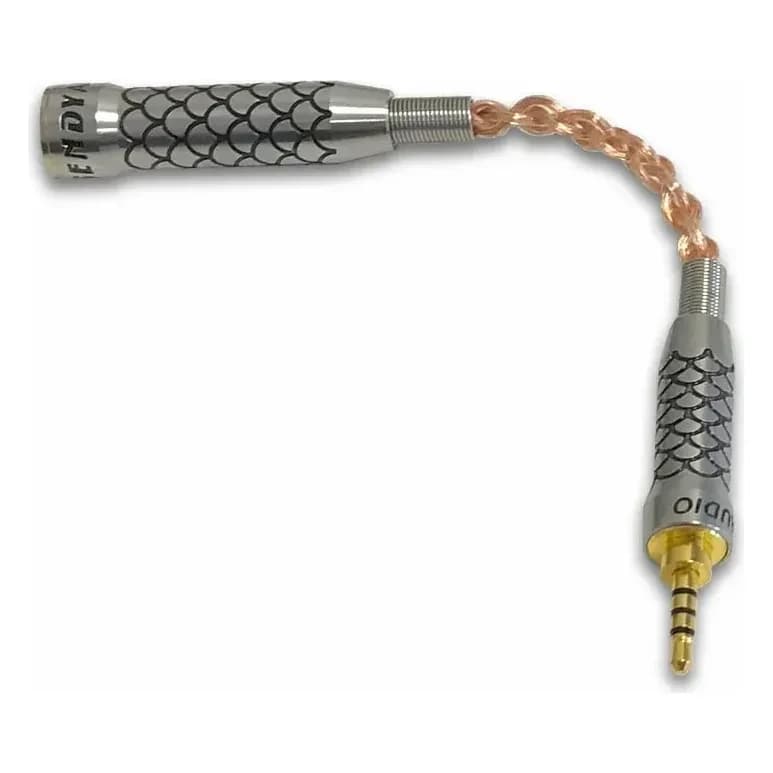
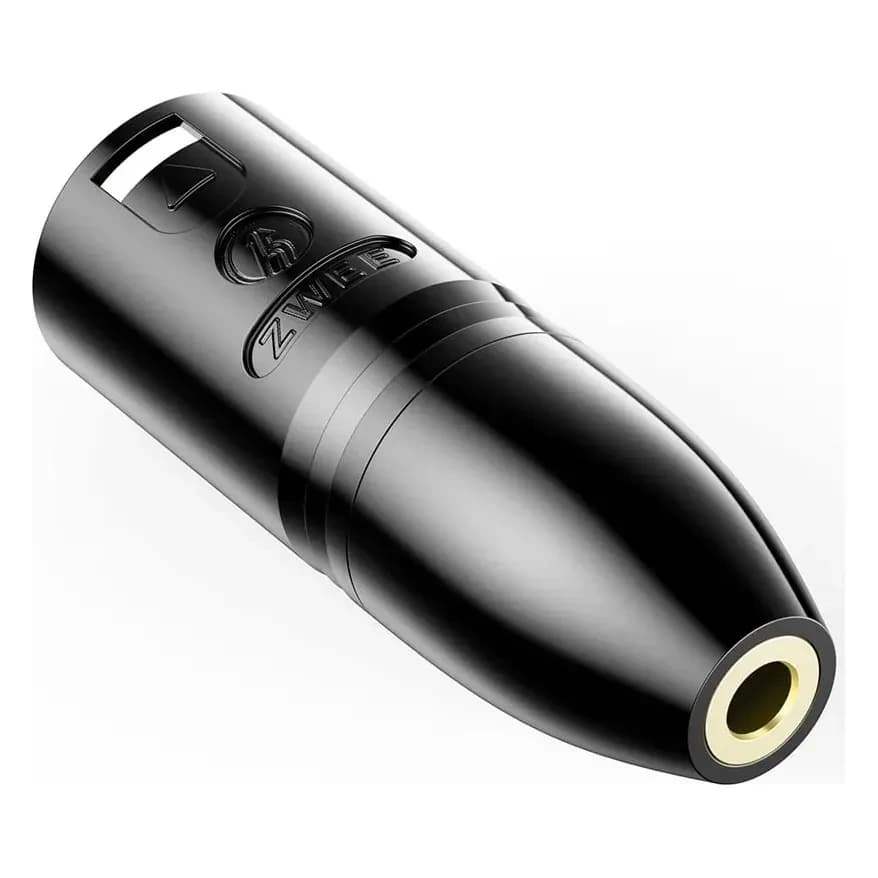
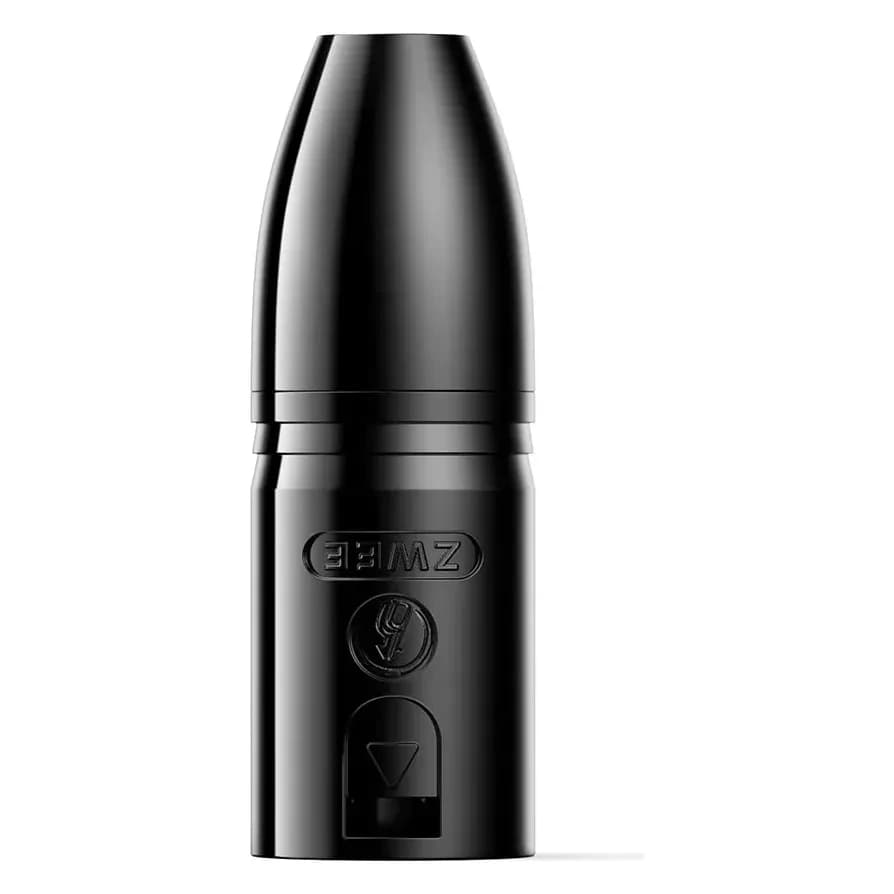
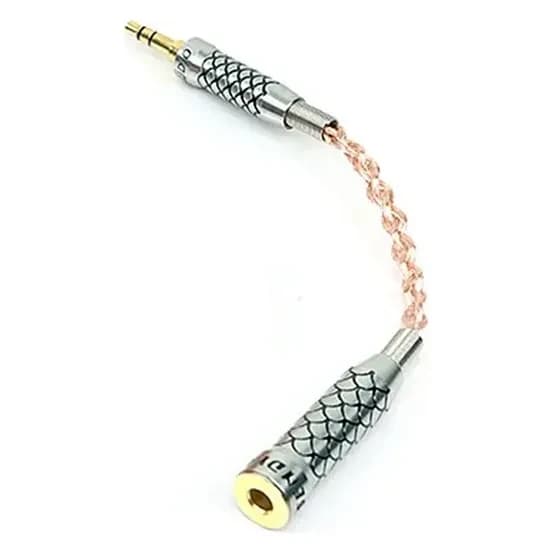
Have a 4.4 mm cable and a source with only a 2.5 mm balanced output? Sendy's 4.4 to 2.5 mm adapter cable keeps everything balanced. For an amplifier with a 4-pin XLR output there's the FiiO LX-4.4M.
Adapters: one direction is safe
This is the part that can cost you a dongle, so it's worth a minute.
Safe
4.4 mm cable4.4 → 3.53.5 mm outputL−, R− and ground all meet at the output's ground. You listen single-ended and nothing breaks.
Safe
4.4 mm cable4.4 → 2.5 or XLR-4Balanced outputBalanced to balanced: all four signals stay separate.
Don't
3.5 mm cablePlain 3.5 → 4.44.4 mm outputYour cable's shared ground connects the amplifier's L− and R− outputs to each other and to ground. That's a short circuit on an active output.
Only with the right adapter
3.5 mm cablePurpose-built 3.5 → 4.44.4 mm outputSome adapters leave L− and R− unconnected and use the ground pin instead. That only works if your source's 4.4 mm socket has a ground pin.
A balanced cable on a single-ended output is fine. The adapter joins L−, R− and ground to the ground of the 3.5 mm output, which is exactly what that output expects. You simply listen single-ended. Sendy's 4.4 to 3.5 mm adapter cable does this, and FiiO puts a 4.4 to 6.35 mm adapter in the box with the FT7 and FT15 for the same reason.
The other way round is risky. A 3.5 mm cable has one shared ground. Plug it into a 4.4 mm output through a plain adapter, and that shared ground connects the amplifier's L− and R− outputs to each other and to ground. Those are active outputs: you're shorting them. Some devices switch off to protect themselves, others can be damaged.
There are adapters made for this direction, from iFi and DD HiFi among others, that leave L− and R− unconnected and use the 4.4 mm ground pin instead. They only work when your source's 4.4 mm socket has that ground pin, and some players, including Sony's, don't. The simplest rule: if your source has a 3.5 mm output, plug your 3.5 mm cable in there. Every dongle in the table above has one.
Switching your IEM cable to 4.4 mm
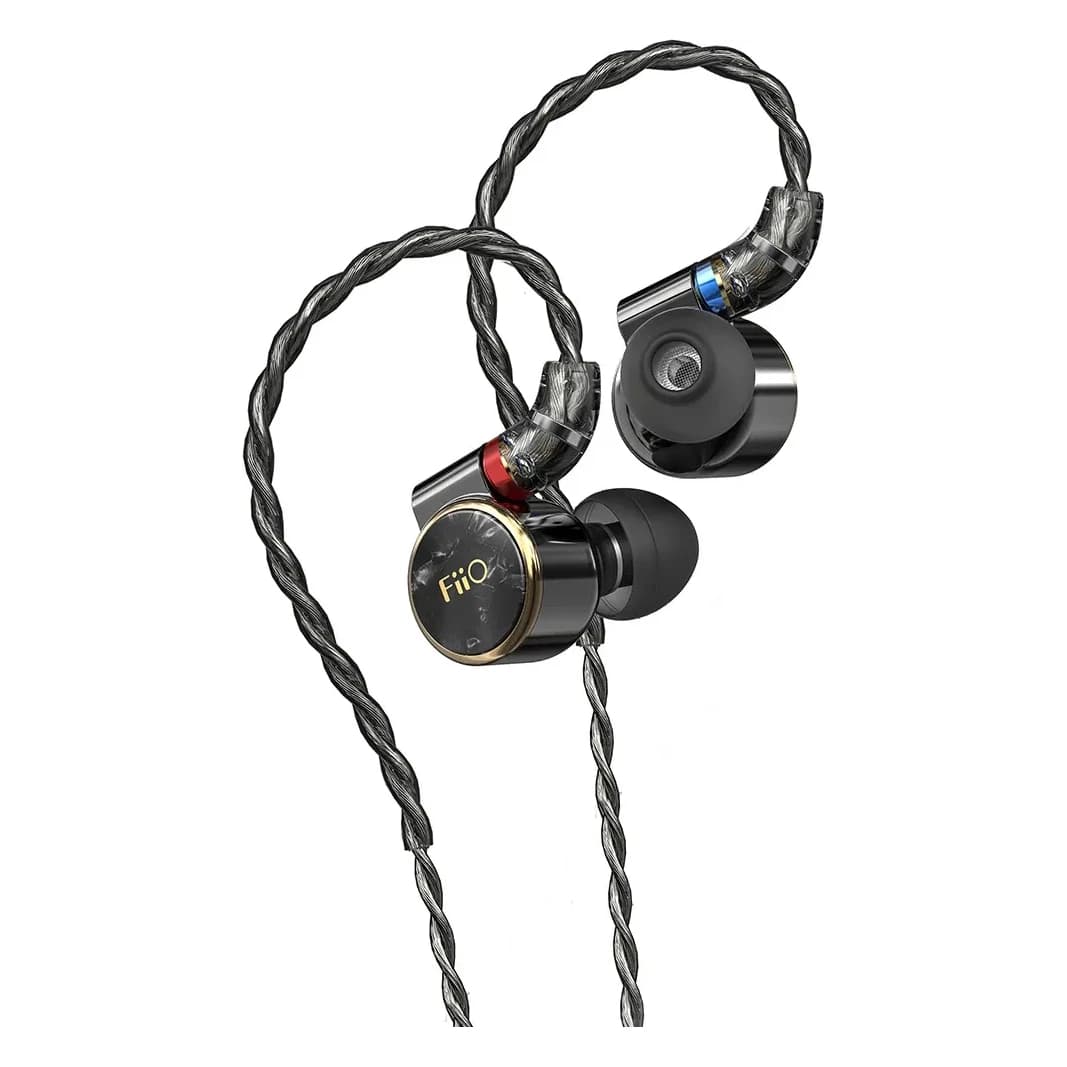
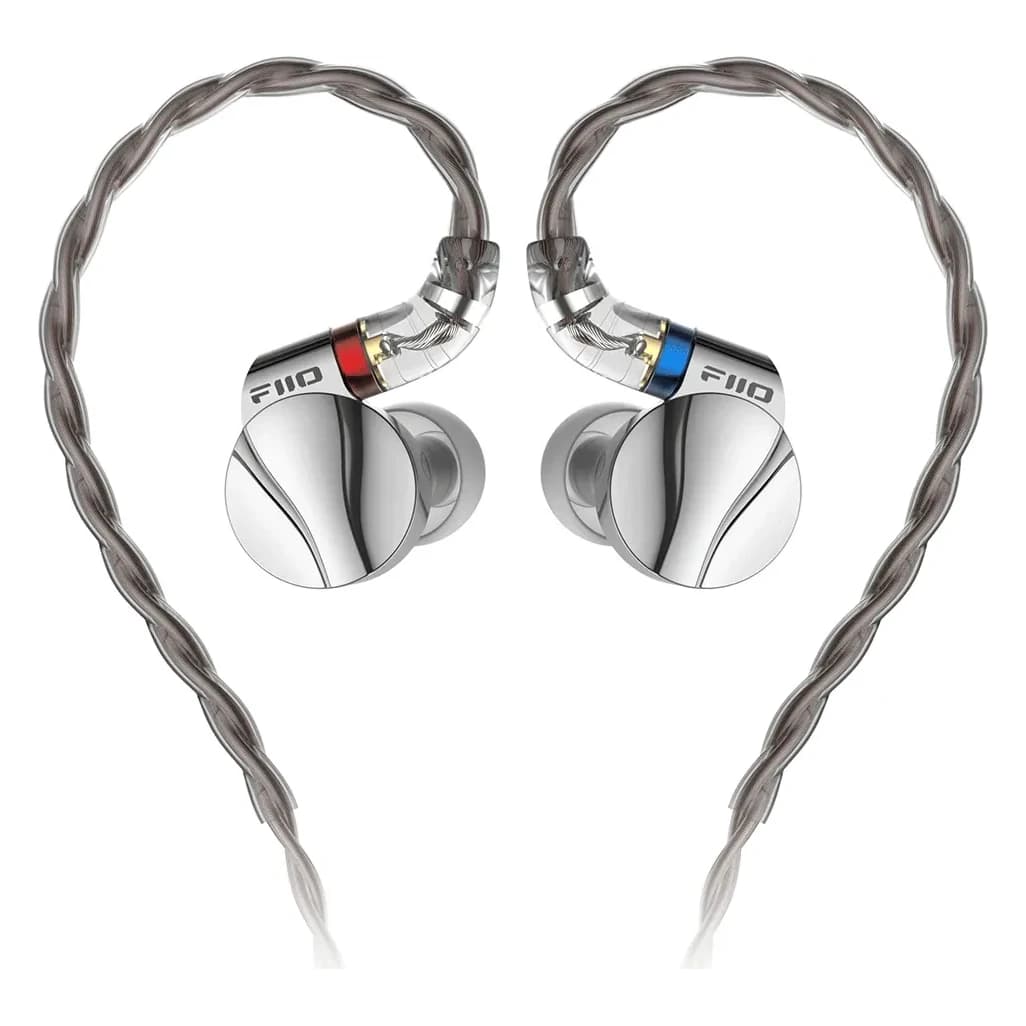
Several FiiO IEMs and headphones we sell have a cable with a swappable plug, so you choose 3.5 or 4.4 mm without buying a second cable. The FD3 Pro and FF3S come with the 3.5 mm plug fitted and a 4.4 mm plug in the box, the FD15 with both, the FH19 and FA19 with 4.4 mm fitted. Of the headphones, the FT5 and FT13 have a swappable plug, and the JT7, JT9 and FT1 come with two cables.
- Unplug the cable from your dongle or phone first.
- If the plug has a locking ring, loosen it. Pull the plug straight off without wiggling it.
- Push the other plug straight on, check that it's fully seated and tighten the locking ring again.
- Turn the volume down before you plug into the 4.4 mm output. At the same volume setting it can be noticeably louder.
Is your IEM's cable fixed to a 3.5 mm plug? Then you need a separate balanced cable with the same connector on the earpiece side. Our IEM cables guide explains which connector fits which IEM.

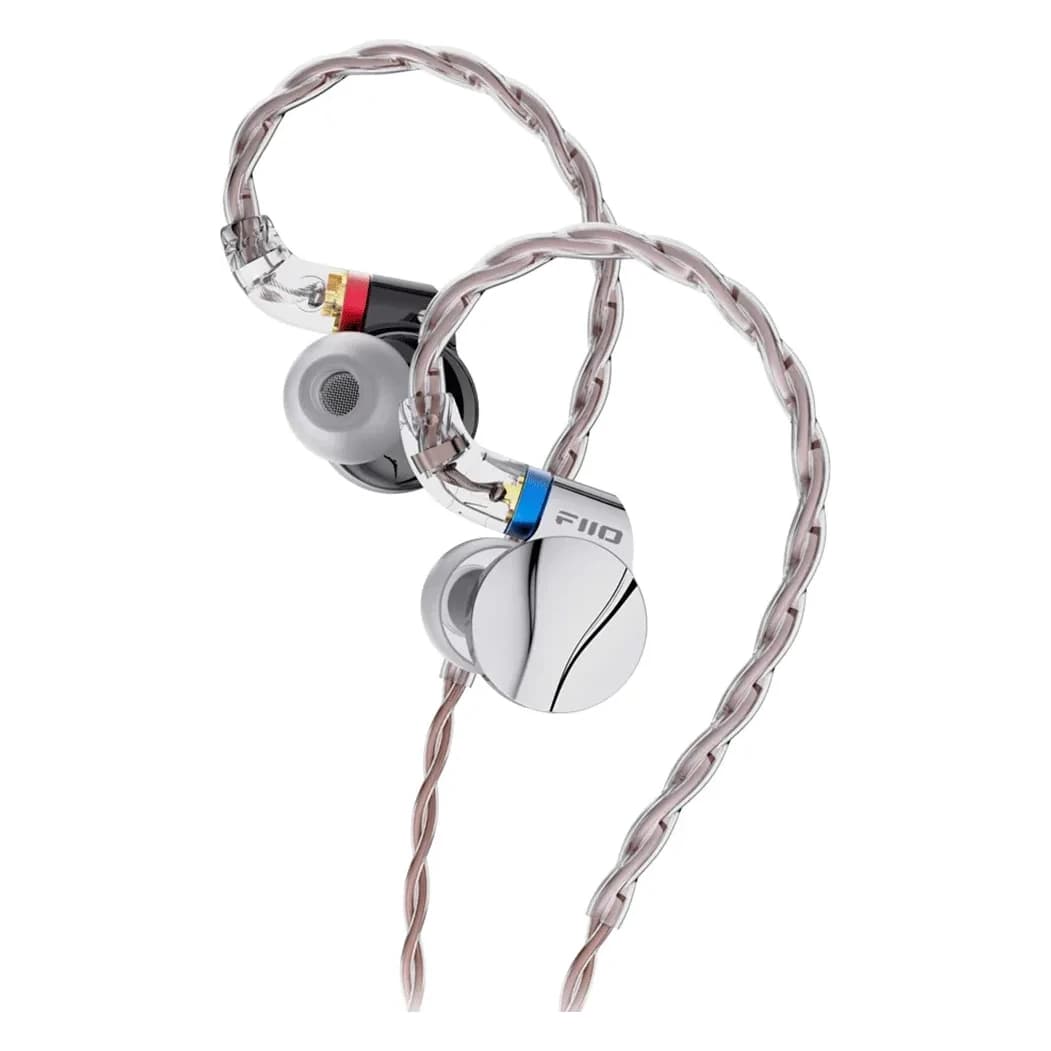
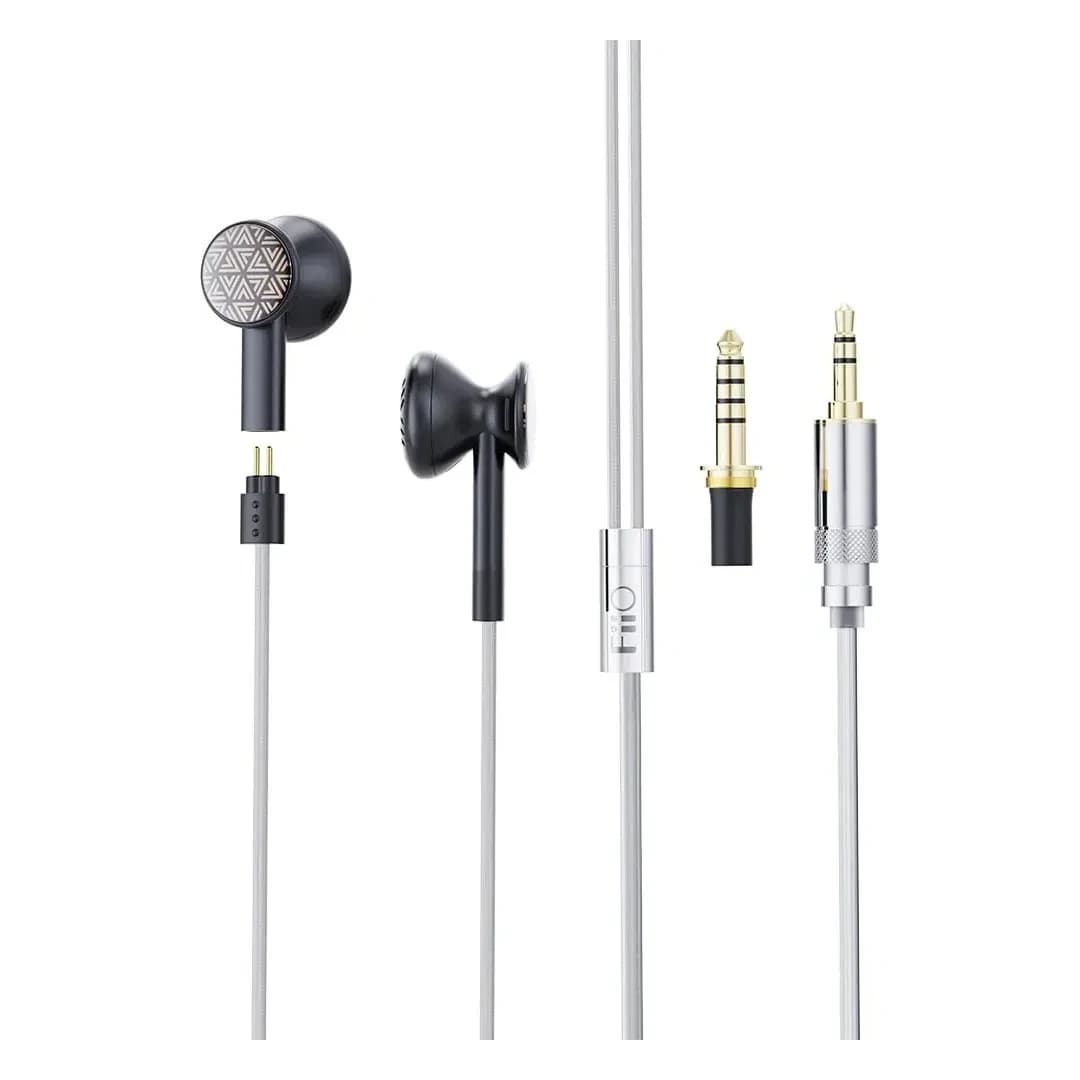
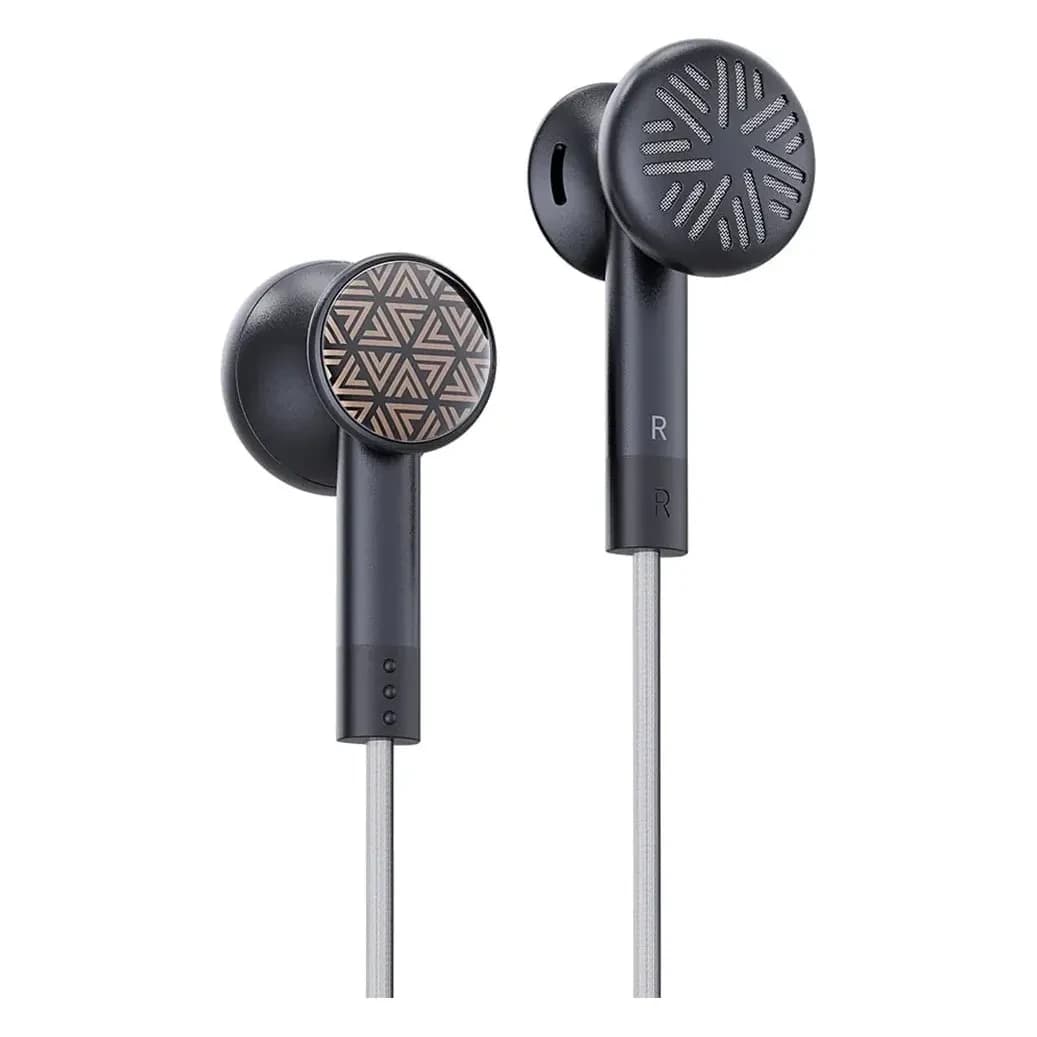
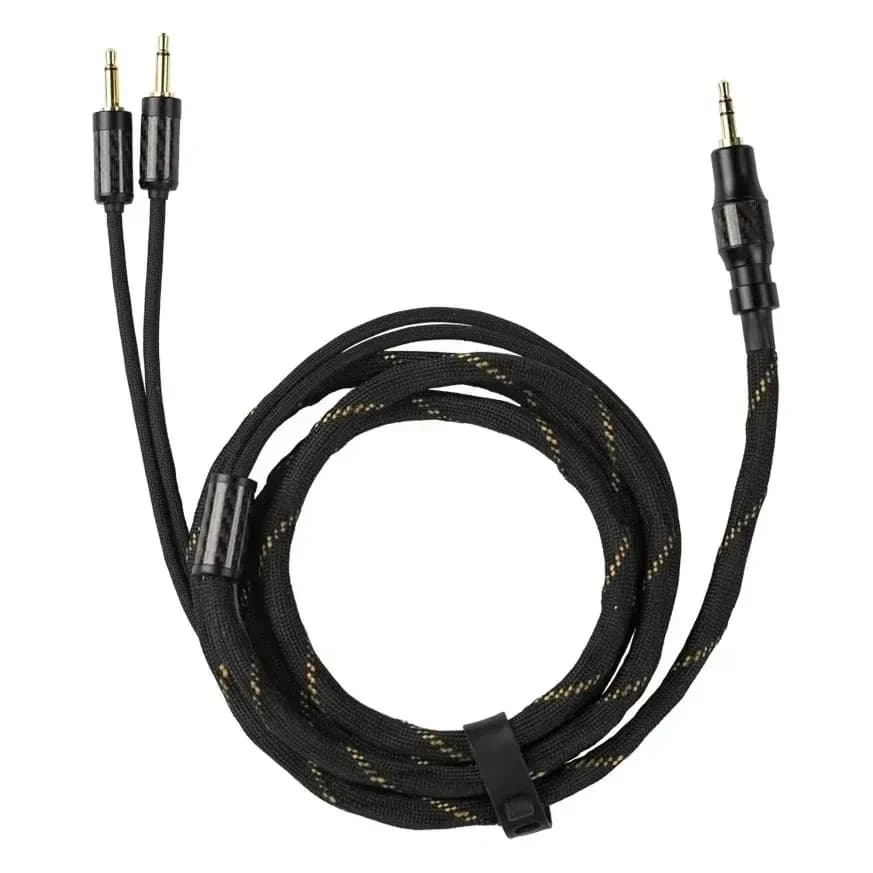
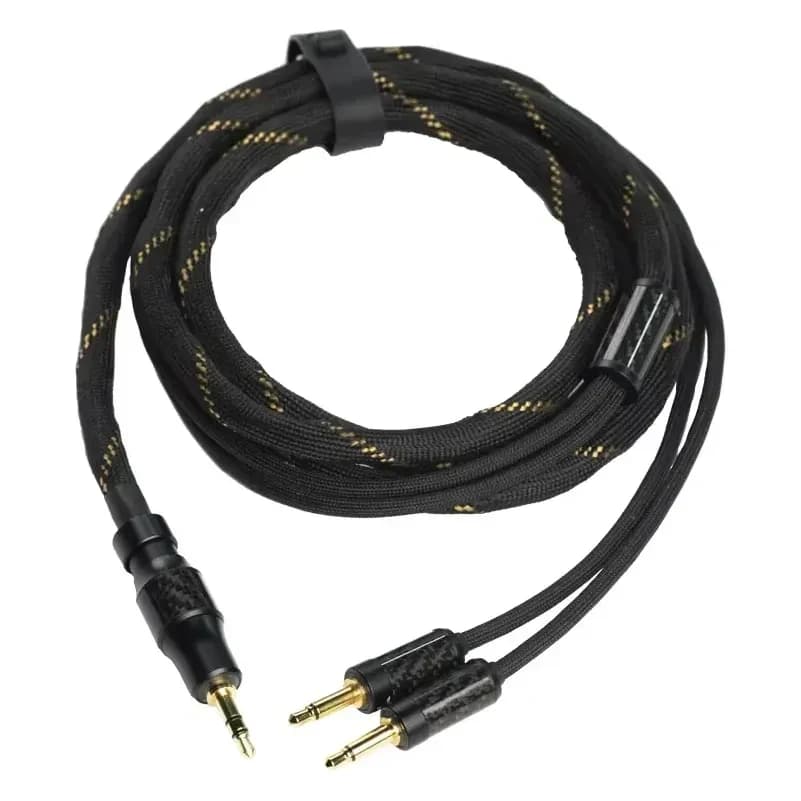
Products in this guide

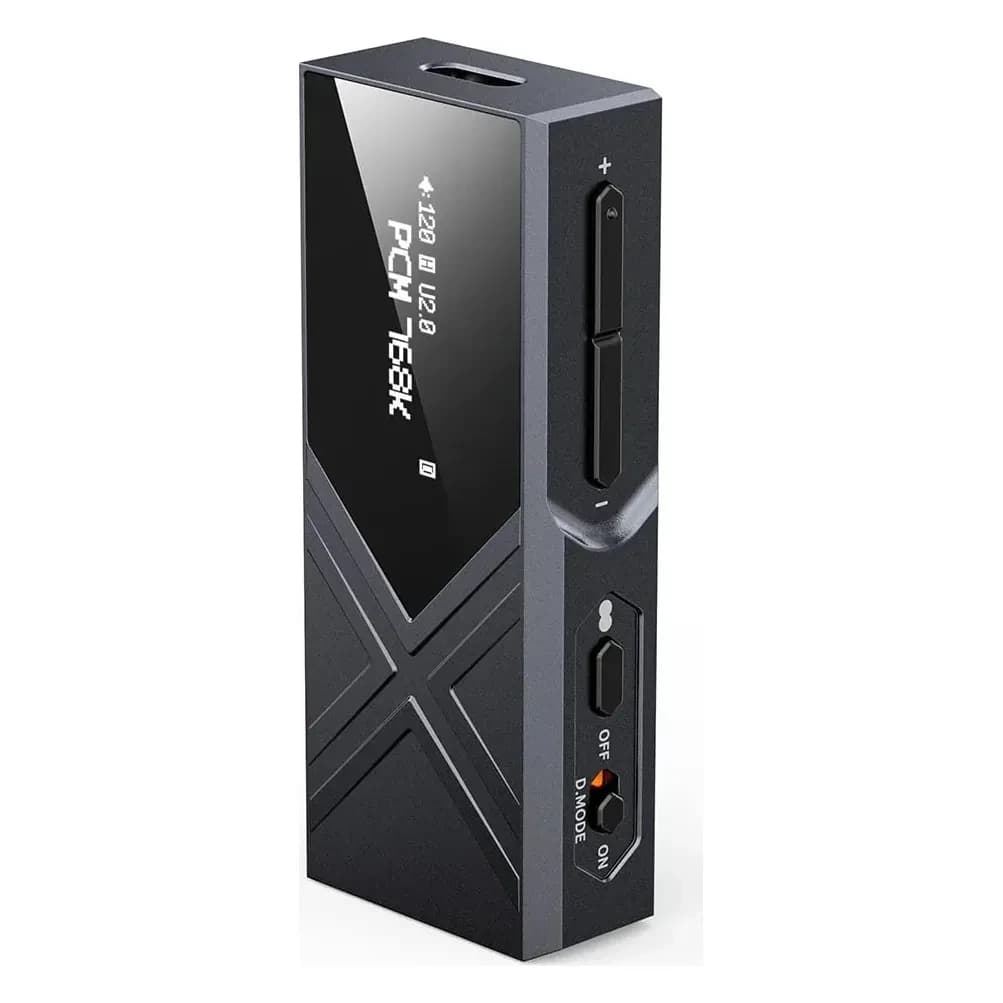

Read next
- 7 min readIEM cables and connectors explained2-pin, MMCX or QDC on the earpiece, 3.5 or 4.4 mm at the other end. What fits what, when a new cable is worth it, and when it isn't.
- 7 min readMaking wired IEMs wireless: Bluetooth cable or receiverHow a Bluetooth upgrade cable works, what SBC, AAC, aptX and LDAC mean, how much delay to expect, why you check the connector first and what to use when the cable doesn't fit.
- 10 min readSetting up your phone for better musicThe settings that really make music sound better on iPhone and Android: quality in Spotify, Apple Music, Tidal, Qobuz and Deezer, what your phone does with the signal, Bluetooth codecs, downloads and battery life with a dongle.