By Rejhan Kavazbasic · 7 min read · Updated 30 October 2026
Making wired IEMs wireless: Bluetooth cable or receiver
How a Bluetooth upgrade cable works, what SBC, AAC, aptX and LDAC mean, how much delay to expect, why you check the connector first and what to use when the cable doesn't fit.
How a Bluetooth upgrade cable works
On IEMs with a detachable cable you can swap the normal cable for a Bluetooth one. Instead of a 3.5 mm plug, it has a small receiver with a battery, a DAC and an amplifier. Your phone sends the music wirelessly, and the cable turns it into an analogue signal that drives your IEMs.
The advantage over buying wireless earbuds: you keep the IEMs whose sound and fit you like, and you can go back to the normal cable whenever you want.
Check your connector first
This is where most mistakes happen. IEM connectors look alike, but they don't fit each other.
| Connector | How to recognise the plug | In our range |
|---|---|---|
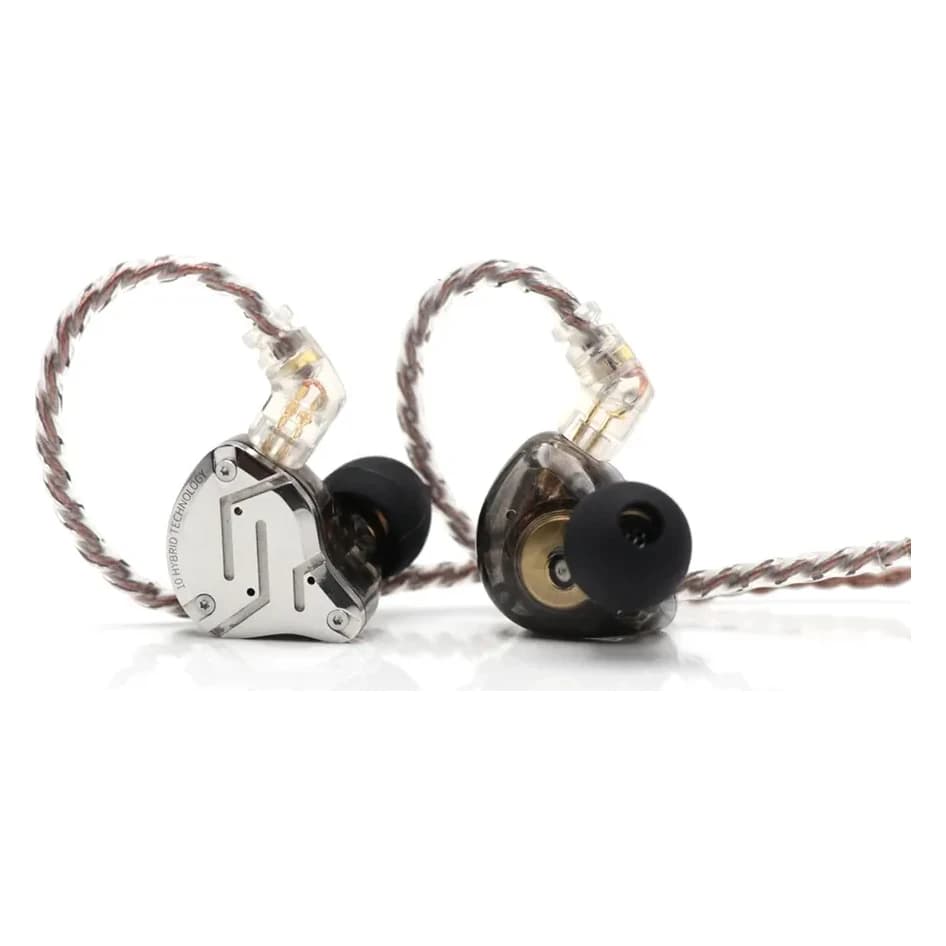
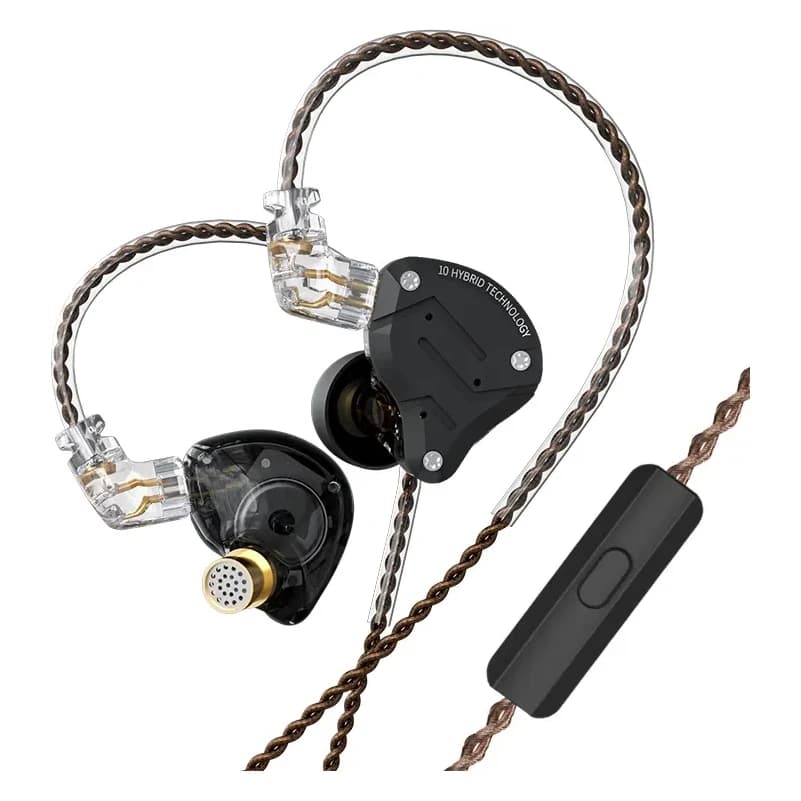
| 0.75 mm 2-pin, KZ type C | Two thin pins in a raised housing | KZ EDX, EDX Pro, ZSN Pro, ZS10 Pro |
| 0.75 mm 2-pin | Two thin pins | KZ ZST, ZEX, ZEX Pro, ZAS, CCA C10 |
| 0.78 mm 2-pin | Two slightly thicker pins | 7Hz Salnotes Dioko, FiiO FF3S |
| MMCX | Round snap connector that can turn | TinHiFi T2, FiiO FD3 Pro, FiiO FD15 (expanded MMCX) |
Our KZ aptX Bluetooth Upgrade Cable PLUS has KZ type C connectors: 0.75 mm 2-pin. KZ type C has nothing to do with USB-C. The cable is made for KZ IEMs with a type C socket. It doesn't fit the Dioko (0.78 mm), the T2 (MMCX) or the FiiO IEMs. For other 0.75 mm models, compare the plugs with the cable that came with your IEM before you order.
Left, right and which way round
Check the L and R markings. Plugs in a raised housing only fit one way. Flat 2-pin plugs often fit both ways: if the bass suddenly sounds thin and the sound seems to come from outside your head, one side is the wrong way round. Turn that plug around and it's fixed. Never force a plug in.
Codecs in plain words
A codec is the way music is packed for the trip over Bluetooth. The phone and the cable both have to support a codec to use it. If they don't share a better one, they fall back to SBC.
| Codec | Supported by | Max. bitrate | In practice |
|---|---|---|---|
| SBC | Every Bluetooth audio device | About 328 kbps | The basic codec. Quality depends on the settings your phone picks. |
| AAC | iPhone, iPad, Mac and many Android phones | Usually 256 kbps | Apple's standard. Good on Apple devices, on Android it depends on the phone. |
| aptX | Many Android phones, not Apple | 352 to 384 kbps | A fixed bitrate, so quality doesn't depend on phone settings. This is the codec of our KZ cable. |
| LDAC | Many Android phones, not Apple | 330, 660 or 990 kbps | Sony's codec. In this guide only the FiiO BTR11 receives it, not the KZ cable. |
With an iPhone the cable still works, but over SBC, because iPhones don't support aptX. Every Bluetooth headphone has to support SBC, so it always connects.
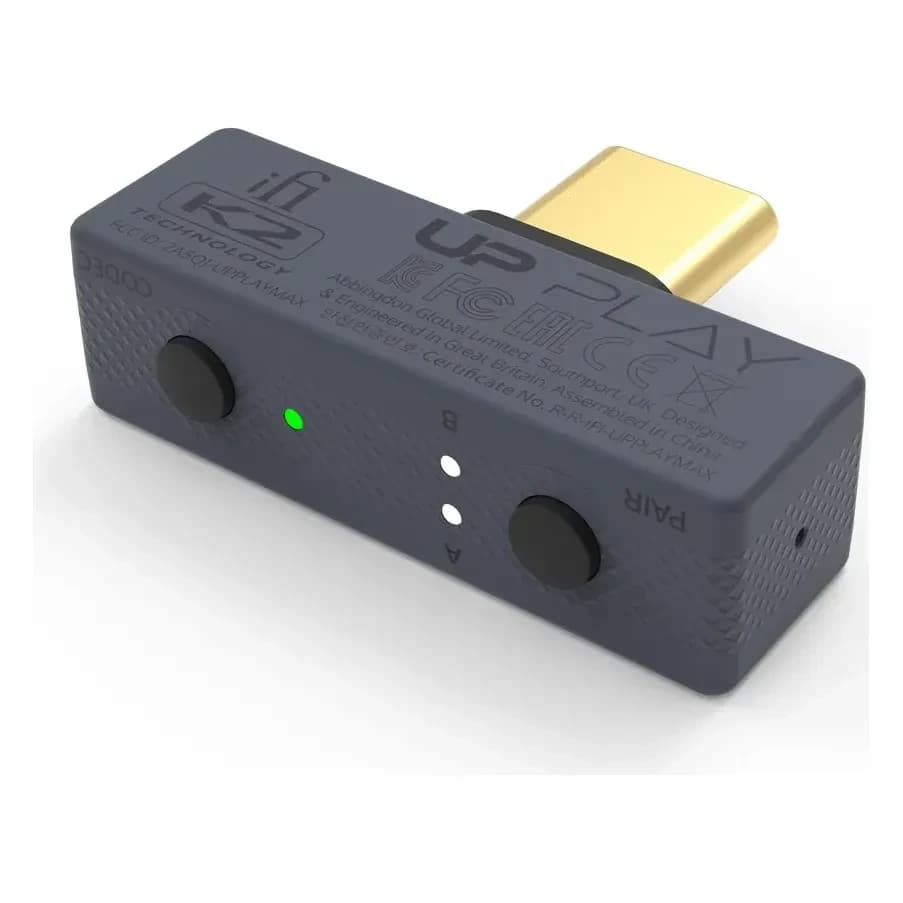
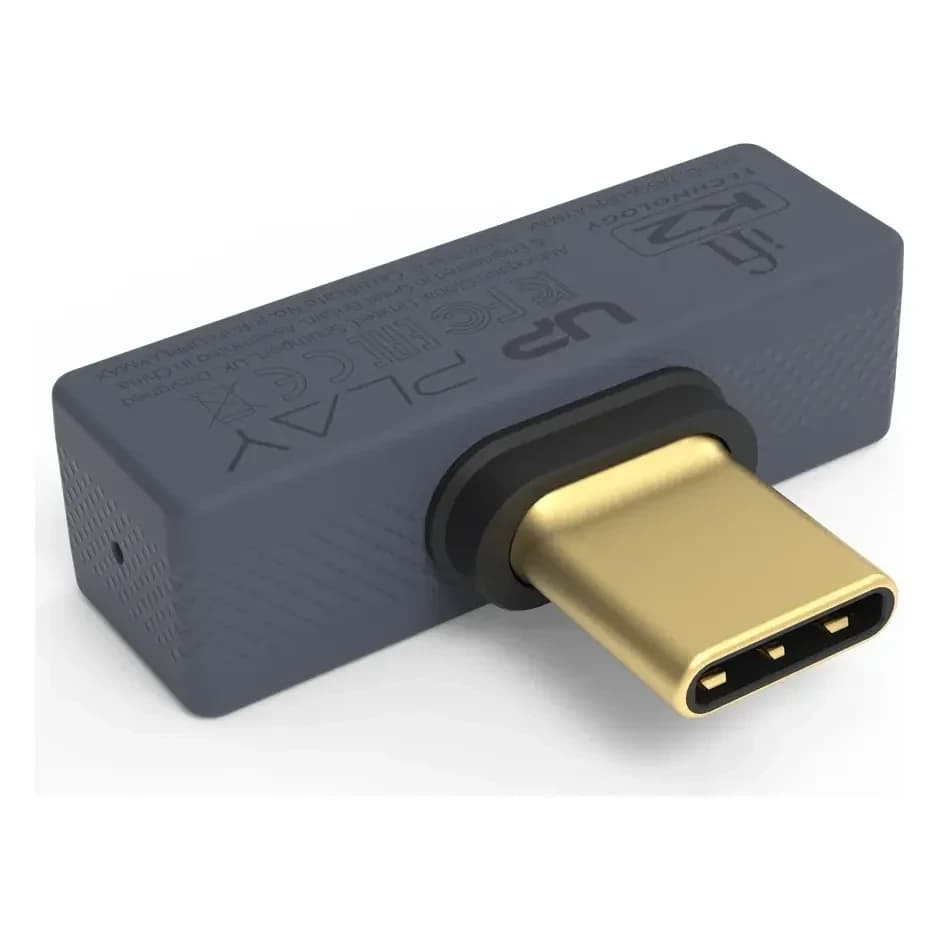
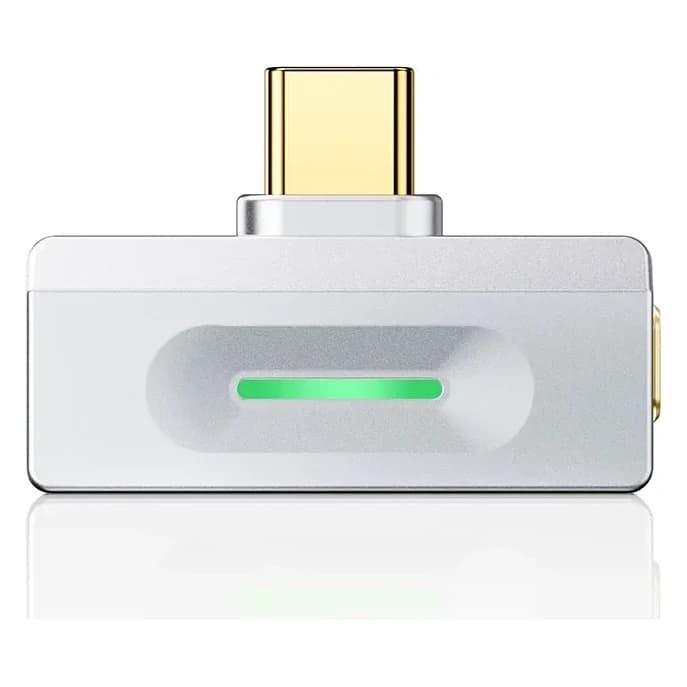
Want aptX from an iPhone with a USB-C port, or from a computer? A USB-C transmitter such as the iFi UP Play or FiiO Air Link plugs into the port and sends aptX and LDAC itself.
On a train or in the street, background noise hides most of the difference between codecs. A good seal with the right tips makes a bigger difference there.
Delay with video and games
Bluetooth is always a little late. Depending on phone and codec, the sound arrives somewhere between 100 and 300 milliseconds after it leaves the phone.
- Video and streaming: no problem. YouTube, Netflix and most video players know about the delay and hold back the picture, so lips and voices stay in sync.
- Games: you'll notice it, especially in shooters and rhythm games, where a shot or a beat comes just too late.
- Playing an instrument or singing along with an app: stay wired. With 100 ms of delay, playing in time is almost impossible.
Keep the normal cable at hand for gaming and making music. The cable is detachable, so switching takes a few seconds.
Range, weight and charging
- Range: about 10 metres with nothing in between. Walls and your own body shorten that.
- Weight: the whole cable weighs 14 g and is 95 cm long.
- Charging: use the supplied charging cable with a normal charger of max. 1.5 A. Don't use a fast charger, the cable isn't made for it.
- Storage: the battery lasts longest if it doesn't sit empty for months. If you won't use the cable for a while, charge it about halfway every few months.
Keep the normal cable with you
Put the normal cable in your bag. If the battery runs out on the way, swap cables and keep listening.
Which IEMs it suits
The KZ cable is the obvious choice for KZ IEMs with a type C socket. In our range that's the EDX, EDX Pro, ZSN Pro and ZS10 Pro. The EDX Pro (112 dB/mW) and ZS10 Pro (111 dB/mW) are easy to drive, which suits the small amplifier in a Bluetooth cable.


No KZ type C socket? Use a receiver
For the Dioko, the T2, the FiiO IEMs or any other earphone with a 3.5 mm plug, a small Bluetooth receiver does the same job. You plug the normal cable into the receiver and clip it to your clothes.
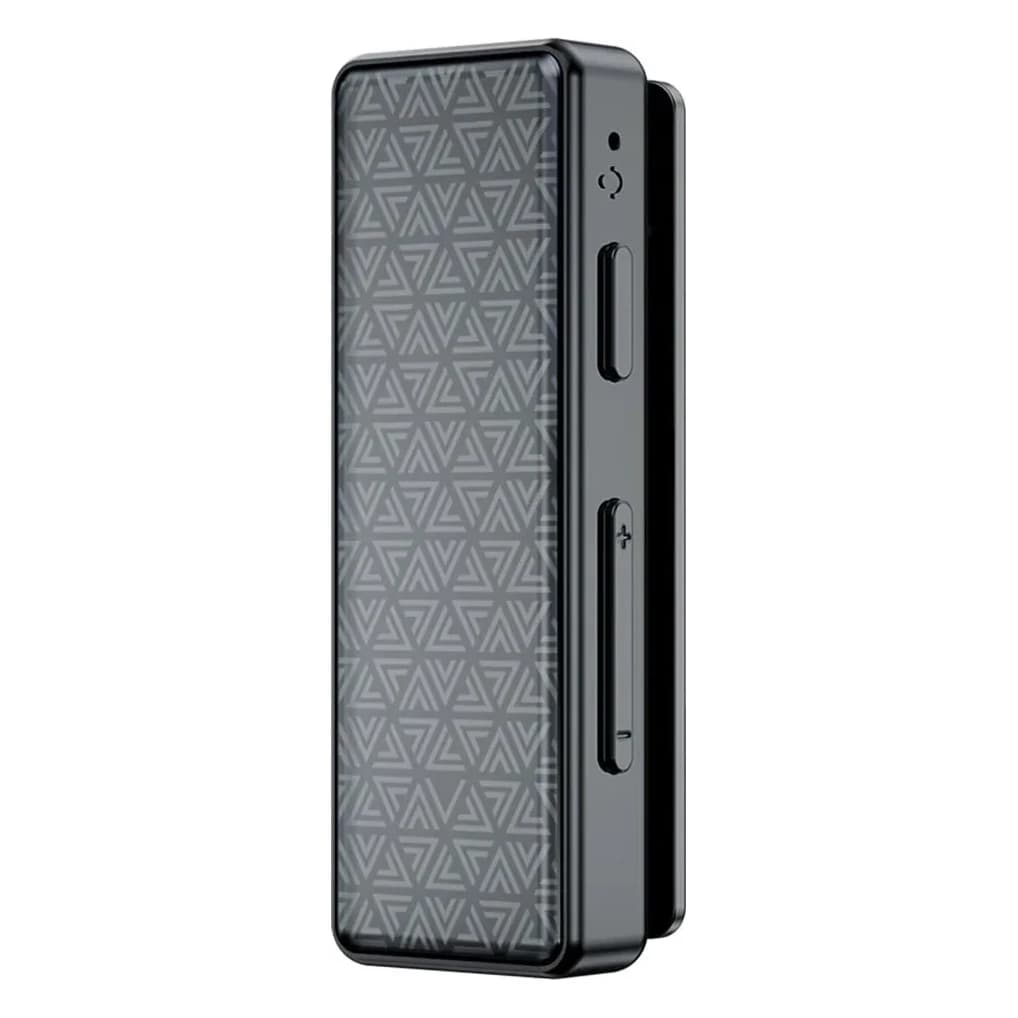
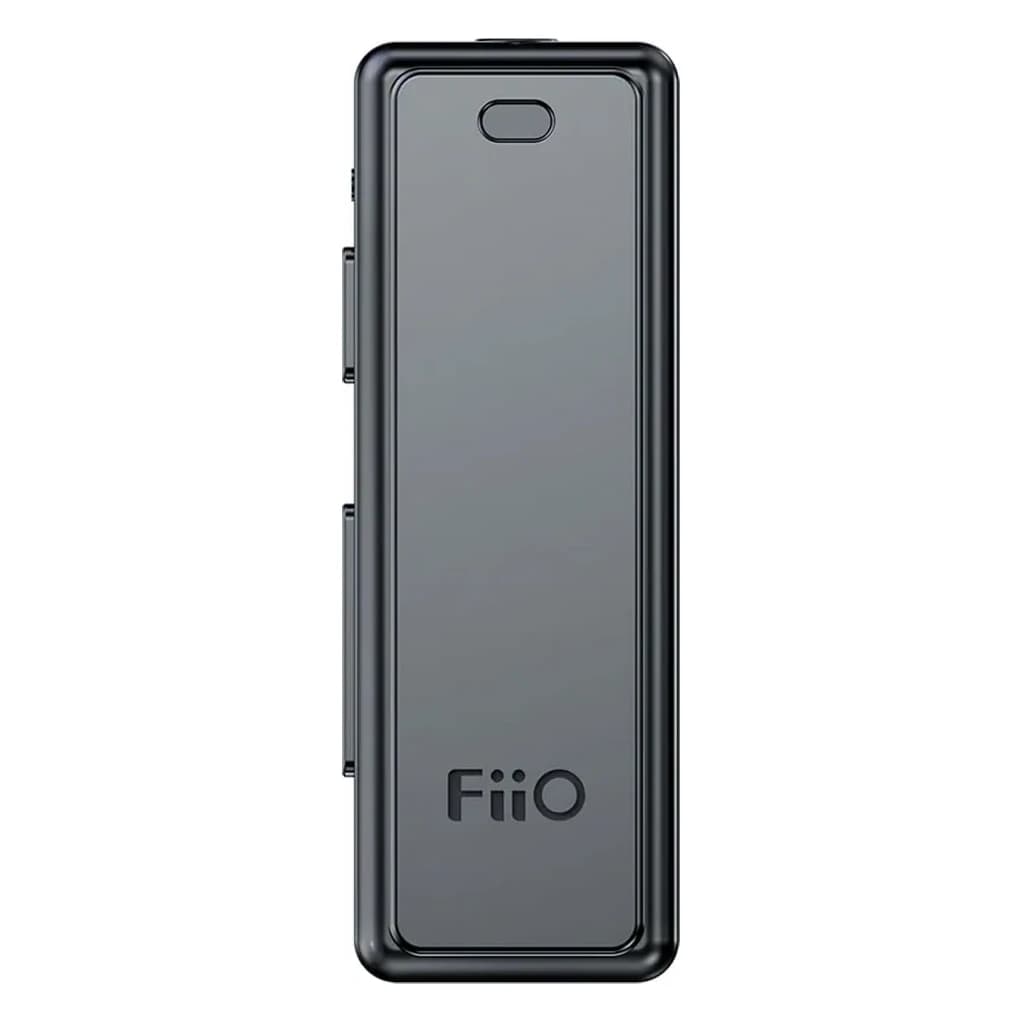
The FiiO BTR11 is one. It receives LDAC, AAC and SBC over Bluetooth 5.3, weighs about 13 g and has a built-in microphone for calls. The battery lasts about 15 hours over AAC and about 8.5 hours over LDAC. With an iPhone it uses AAC, so unlike the KZ cable it doesn't fall back to SBC.
The advice on delay is the same: fine for music and video, not for playing along.