By Rejhan Kavazbasic · 9 min read · Updated 5 November 2026
Hi-res and lossless: what do you really hear?
MP3, lossless and hi-res in plain words: what bit depth and sample rate mean, what blind listening tests show, why Bluetooth is the narrowest link and what streaming services offer at the end of 2026.
Three kinds of music files
Every song you stream or download comes in one of three forms. Ads mix the names up, so here they are side by side.
| Lossy | Lossless | Hi-res | |
|---|---|---|---|
| Examples | MP3, AAC, Ogg Vorbis, Opus | FLAC, ALAC or WAV at 16-bit/44.1 kHz | FLAC or ALAC at 24-bit/96 kHz and higher |
| Data rate | 128 to 320 kbps | 1,411 kbps unpacked, less as FLAC | 2,304 to 9,216 kbps unpacked |
| What's left | What the encoder thinks you'll hear; the rest is dropped | Exactly what's on the CD | More bits and a higher sample rate than the CD |
| Where you get it | Free tiers, YouTube Music, older downloads | Most paid streaming services | Apple Music, Tidal, Qobuz, Amazon Music and download stores |
Lossy codecs leave out sounds that are already masked by a louder sound close by in frequency. At 256 or 320 kbps a good encoder does that very neatly. Lossless packs the music like a zip file: smaller to send, and bit for bit the same as the original once unpacked.
Bit depth and sample rate in plain words
Digital audio measures the sound wave many times per second. Two numbers tell you how.
The sample rate is how often it measures: 44,100 times per second on a CD. A rule from sampling theory, the Nyquist theorem, says you can capture every frequency up to half that rate exactly. So 44.1 kHz captures everything up to 22.05 kHz. Human hearing runs from about 20 Hz to 20 kHz, and the top end drops as you get older.
- Your hearingup to 20 kHz
- CD, 44.1 kHzup to 22.05 kHz
- 48 kHzup to 24 kHz
- Hi-res, 96 kHzup to 48 kHz
- Hi-res, 192 kHzup to 96 kHz
20 kHz: limit of hearing. A sample rate captures everything up to half its own value. The top of your hearing range drops with age.
There are no steps either. The staircase picture you see in ads is wrong: the DAC rebuilds a smooth wave, and for everything below that limit it's exact.
Bit depth is how finely each measurement is stored. Each bit adds about 6 dB of dynamic range, the distance between the loudest sound and the noise floor. 16 bits gives about 96 dB. Starting from a quiet room at around 30 dB, that takes you past 120 dB, where loud sound starts to hurt. 24 bits gives 144 dB on paper, more than any microphone, recording room or amplifier can use.
Why studios use 24 bits
In the studio, 24 bits is useful. You can record with plenty of room above the peaks so nothing distorts, and edits and effects don't pile up noise. For the finished mix you listen to, 16 bits already covers the range.
What blind listening tests show
This question has been studied a lot, and the honest answer is: the difference between CD quality and hi-res is very small, if you hear it at all.
- In 2007 E. Brad Meyer and David Moran published a study in the Journal of the Audio Engineering Society. They played SACD and DVD-Audio discs with and without an extra CD-quality step (16-bit/44.1 kHz) in the signal chain. Out of 554 tries, listeners picked the right one 276 times: 49.8 percent, as good as guessing.
- In 2016 Joshua Reiss of Queen Mary University of London combined 18 studies with more than 400 listeners in a meta-analysis. He found a small but statistically significant ability to tell hi-res from CD quality: about 52 percent correct overall, and around 60 percent for listeners trained for it.
- Critics of Meyer and Moran point out that not every disc they used was truly recorded in high resolution. Reiss himself says it's not yet clear which music shows the effect most.
A small effect that trained listeners find after long, careful comparison is real. It just isn't something you'll notice on the bus. Meyer and Moran noticed something else: most of the high-resolution discs sounded better than most CDs. They put that down to the care taken in recording and mastering, not to the format.
The same goes, to a lesser degree, for lossy at a high bitrate. A 256 kbps AAC or 320 kbps MP3 is very hard to tell from the CD for most music. Recordings with sharp attacks, like castanets or harpsichord, are the easiest giveaway for a trained ear.
Compare at the same volume
Louder nearly always sounds better, even by a small margin. If you compare two versions, match their volume first and let someone else switch so you don't know which is playing. In foobar2000 on Windows, the ABX Comparator component does this for you.
Bluetooth: the narrowest link
Lossless or hi-res from your streaming app doesn't survive a Bluetooth connection. Your phone compresses the music again before it sends it, with a codec that has much less room than a lossless stream.
- Compressed file or stream
- Bluetooth codec (maximum)
- Lossless, unpacked
- AAC 256256
- MP3 / Ogg 320320
- SBC328
- aptX384
- aptX HD576
- LDAC990
- aptX Lossless1,200
- CD 16/44.11,411
- 24/482,304
- 24/964,608
- 24/1929,216
Kilobits per second, log scale. FLAC and ALAC pack lossless audio smaller without throwing anything away; this shows the unpacked stream. aptX Lossless is only lossless when phone and receiver both support it and the connection is strong enough.
SBC, AAC and aptX all stay below 400 kbps. LDAC goes up to 990 kbps, but many phones pick a lower setting by themselves when the connection isn't perfect, and even at 990 kbps LDAC is still lossy. aptX Lossless reaches CD quality without loss, but only when phone and receiver both support it (it's part of Qualcomm's Snapdragon Sound) and the signal is strong. Hi-res above CD quality never travels losslessly over Bluetooth.
iPhones only send AAC. That's fine, AAC at 256 kbps is a good codec. It does mean that paying for hi-res changes nothing about what reaches your ears from an iPhone over Bluetooth. Our wireless IEM guide goes deeper into the codecs.
Lossless on the go
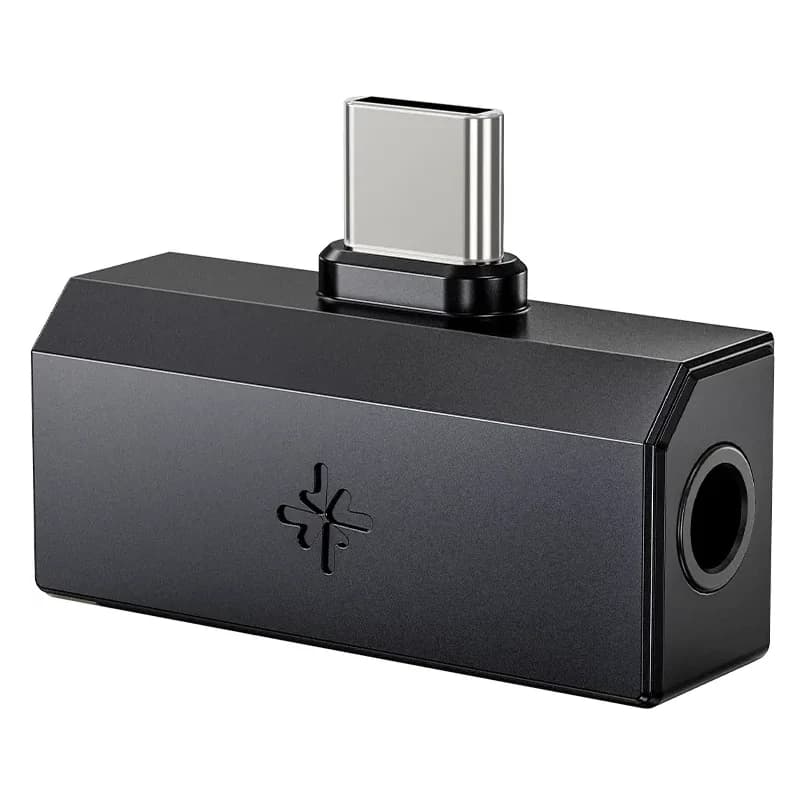
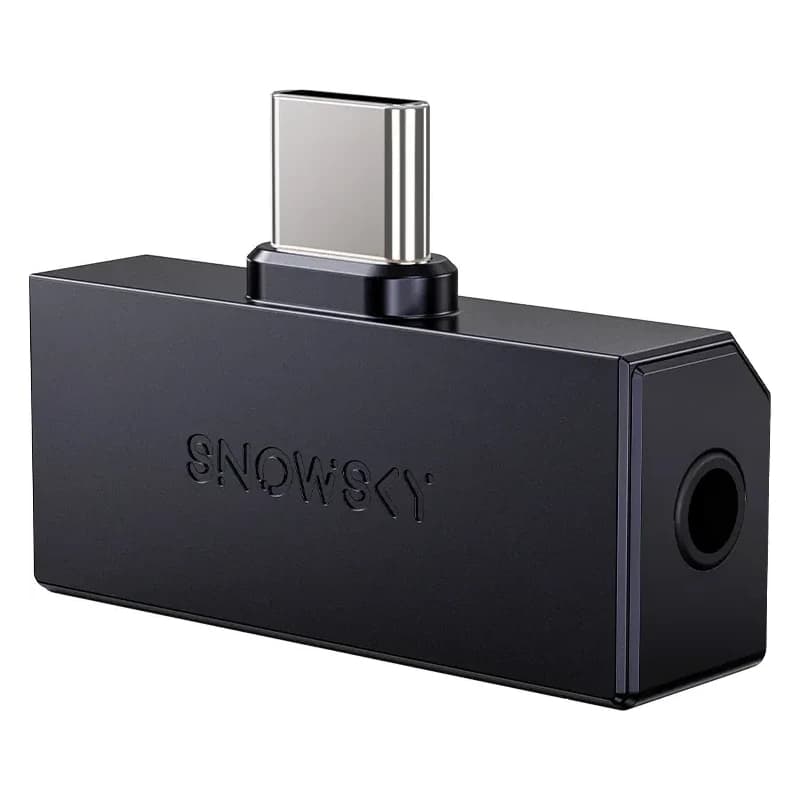
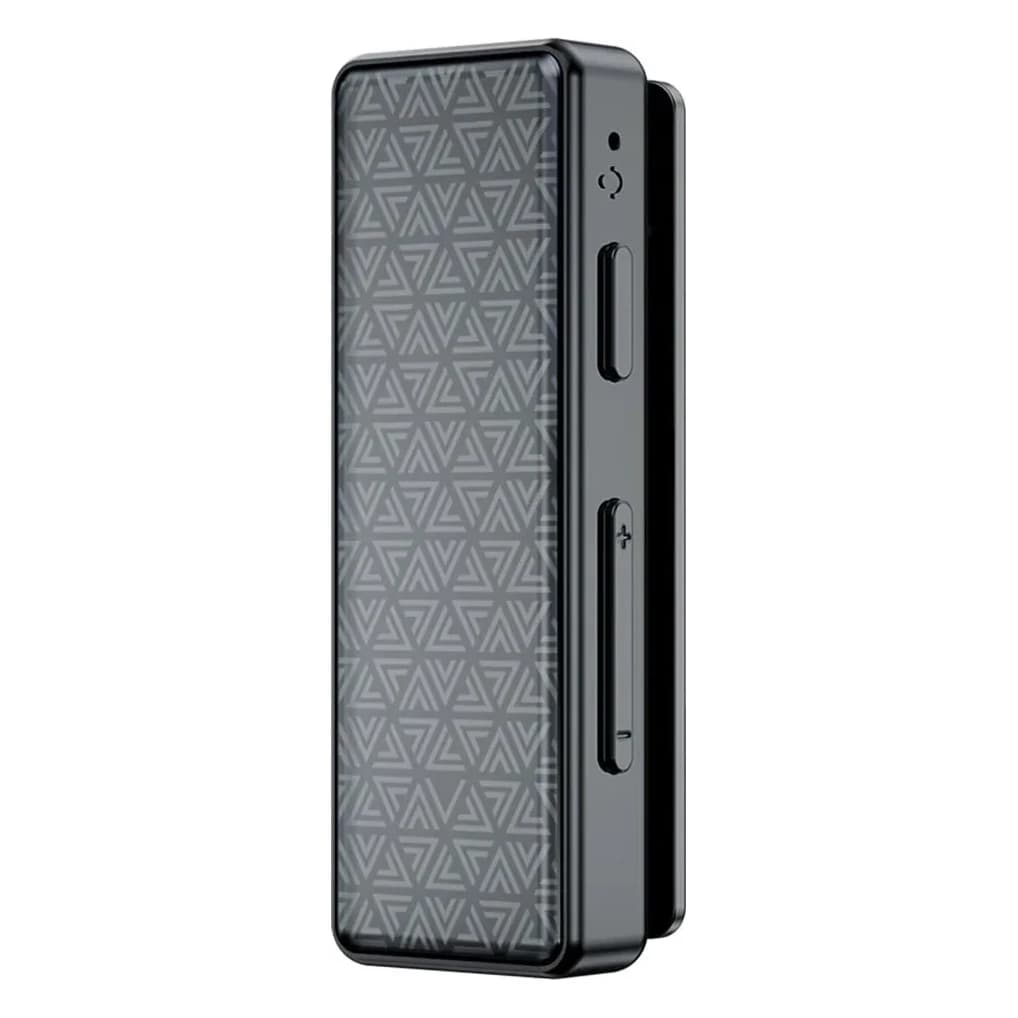
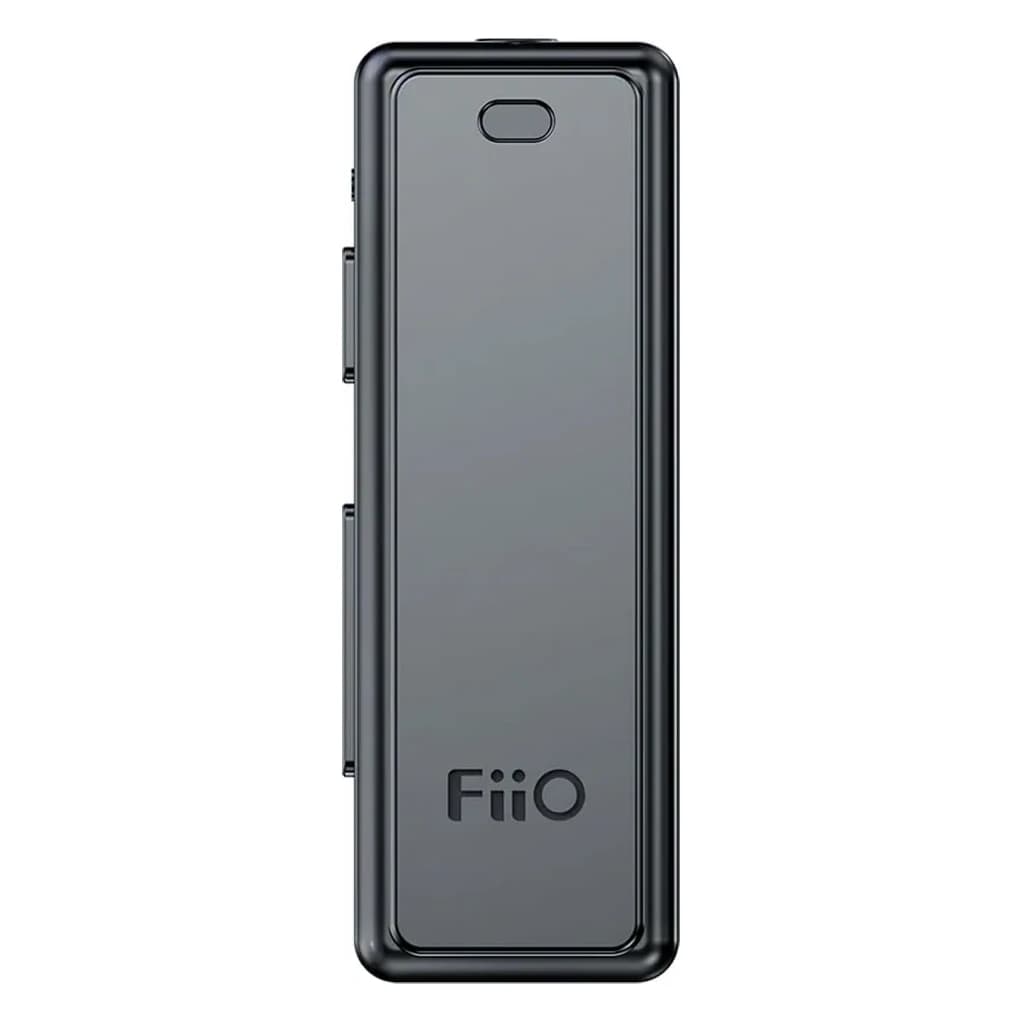
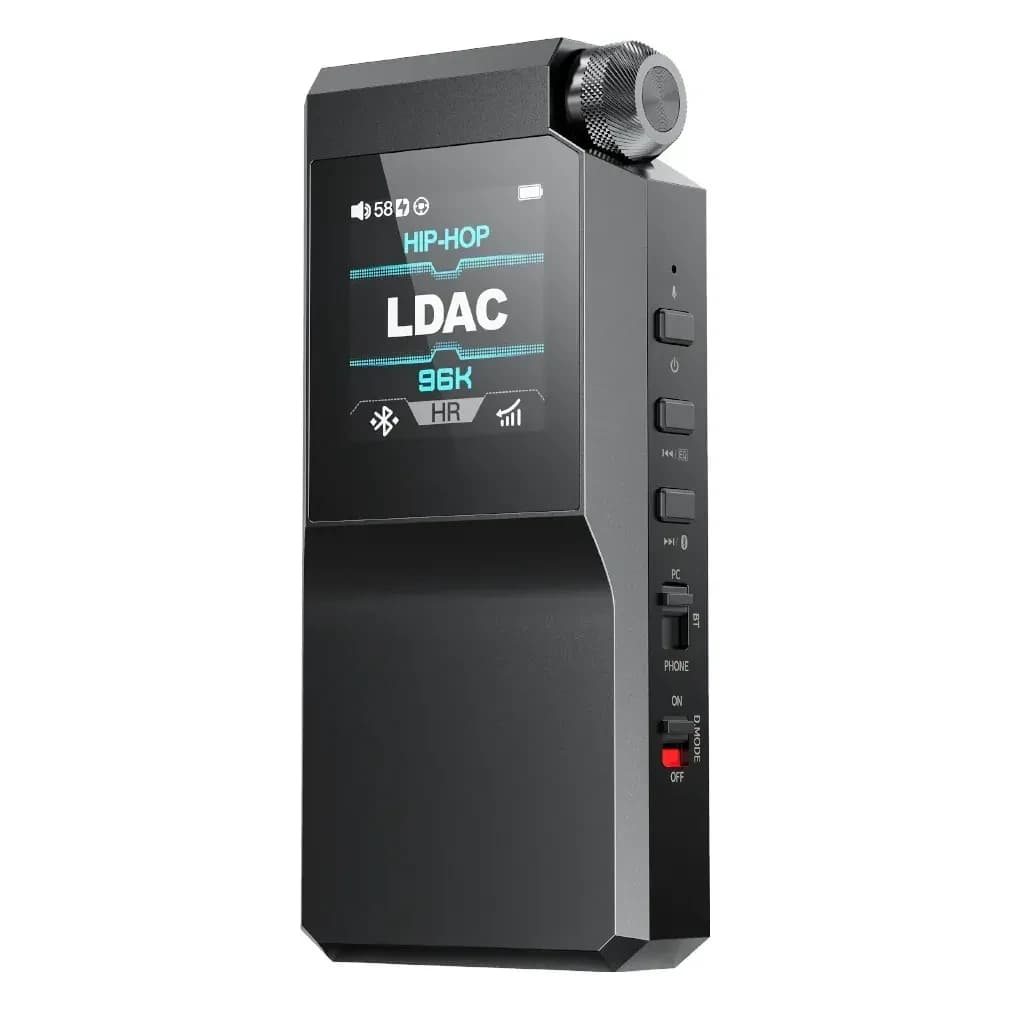
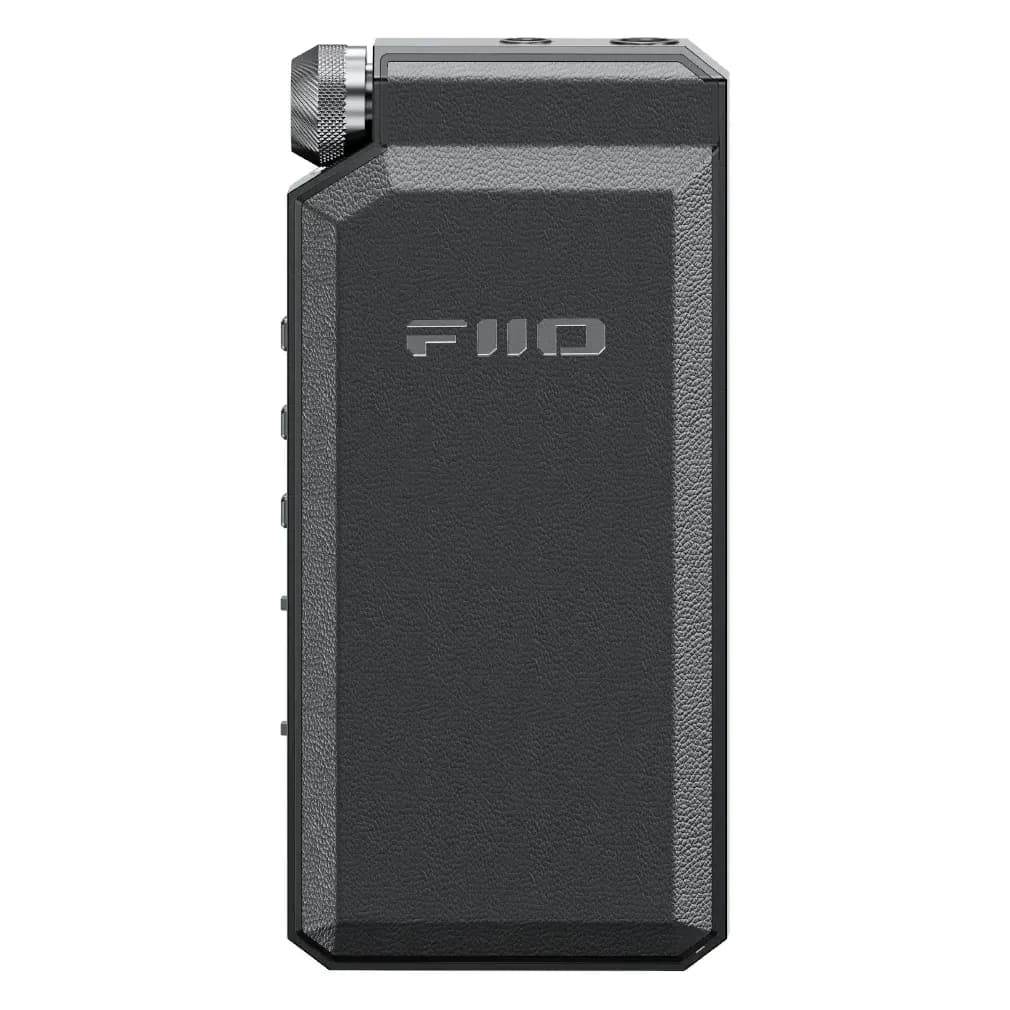
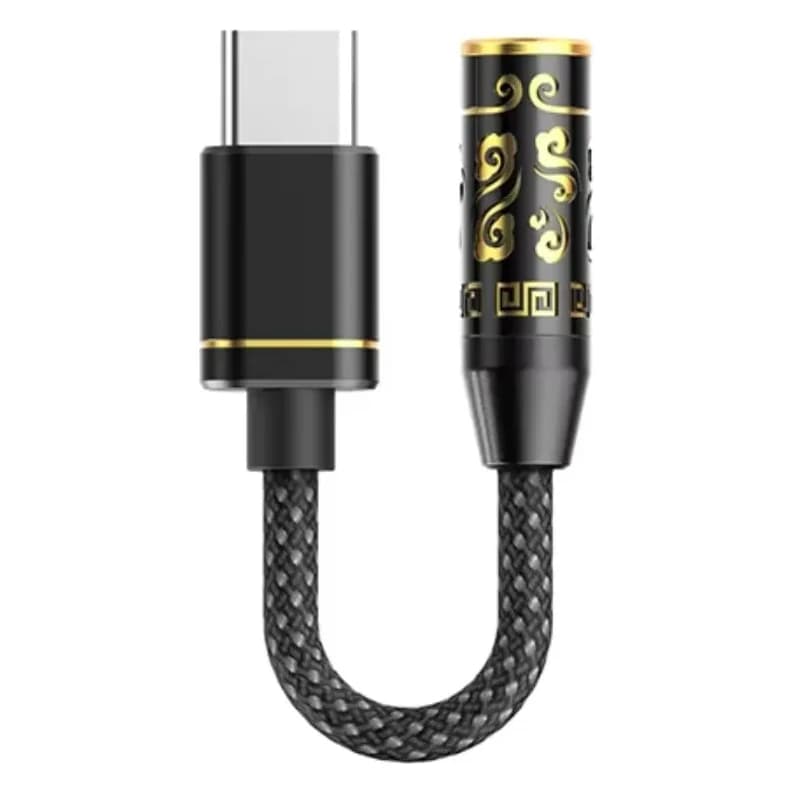
A USB-C dongle receives the music bit for bit, and every dongle we sell plays 24-bit hi-res. If you'd rather stay wireless with the best codec, the FiiO BTR17 receives aptX Lossless from phones that support it, and LDAC or AAC from the rest.
Where you do hear a difference
If the format matters this little, what does matter? Four things, roughly in this order.
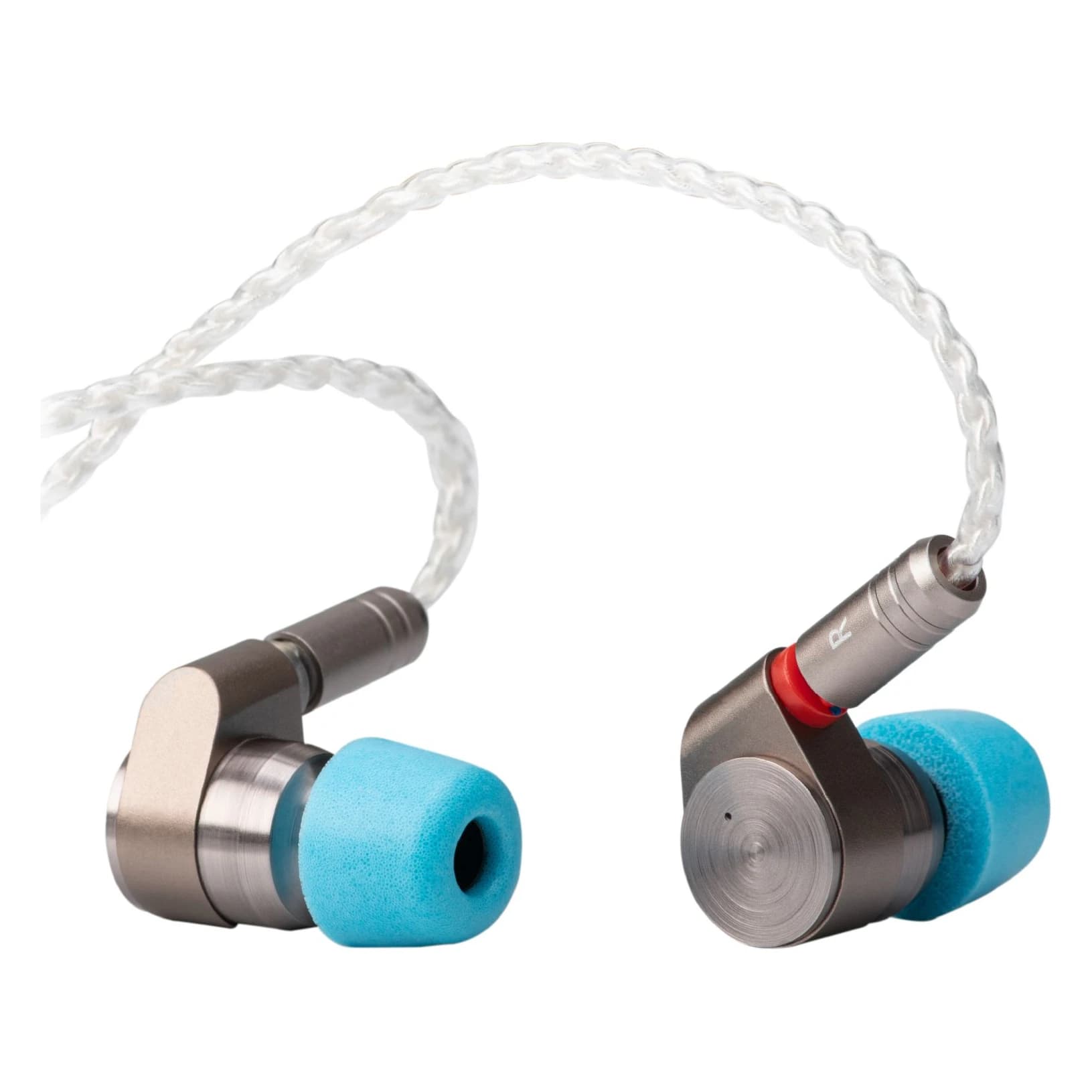
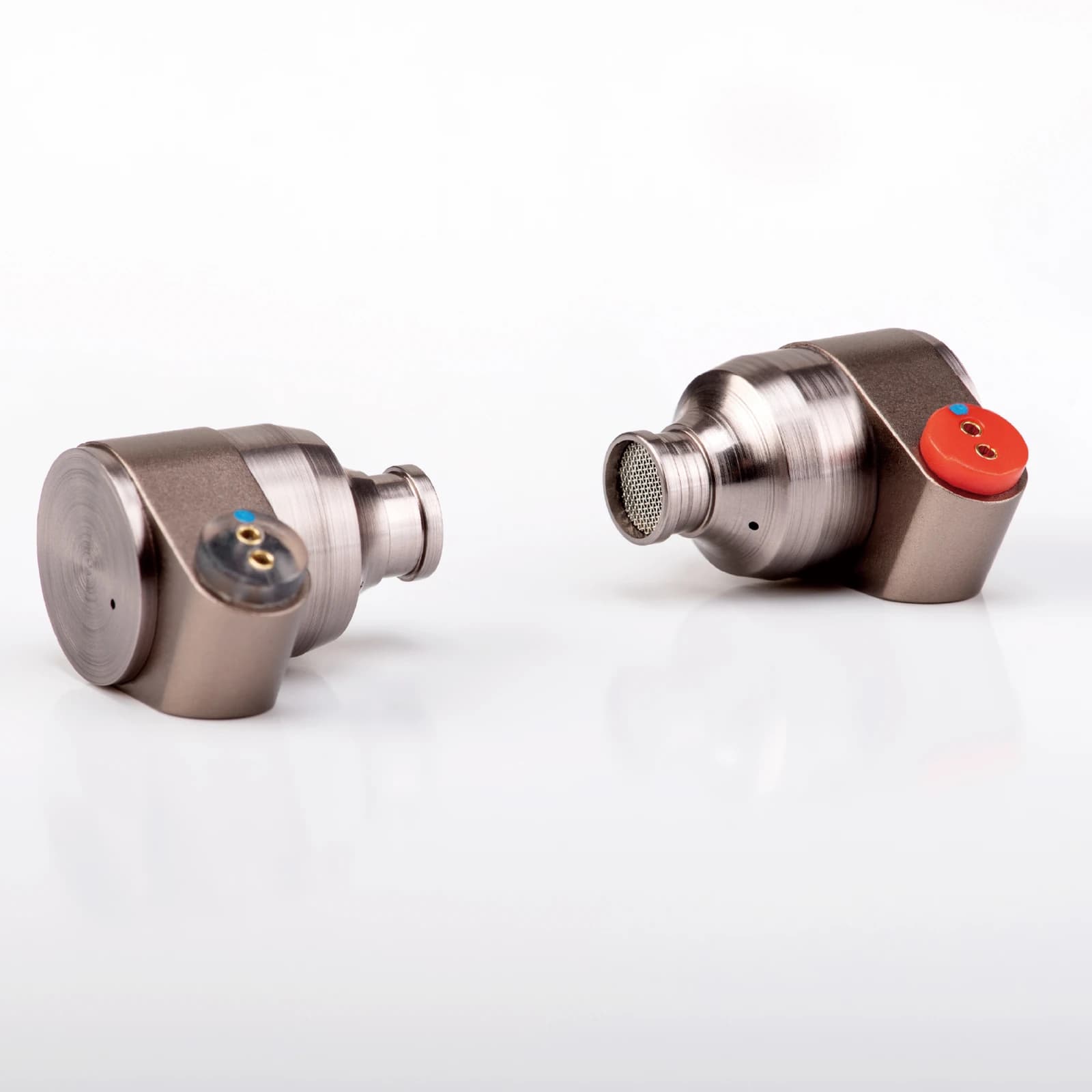
- The IEM or headphone itself. Two IEMs can differ by more than 10 dB in the bass, as the graph below shows.
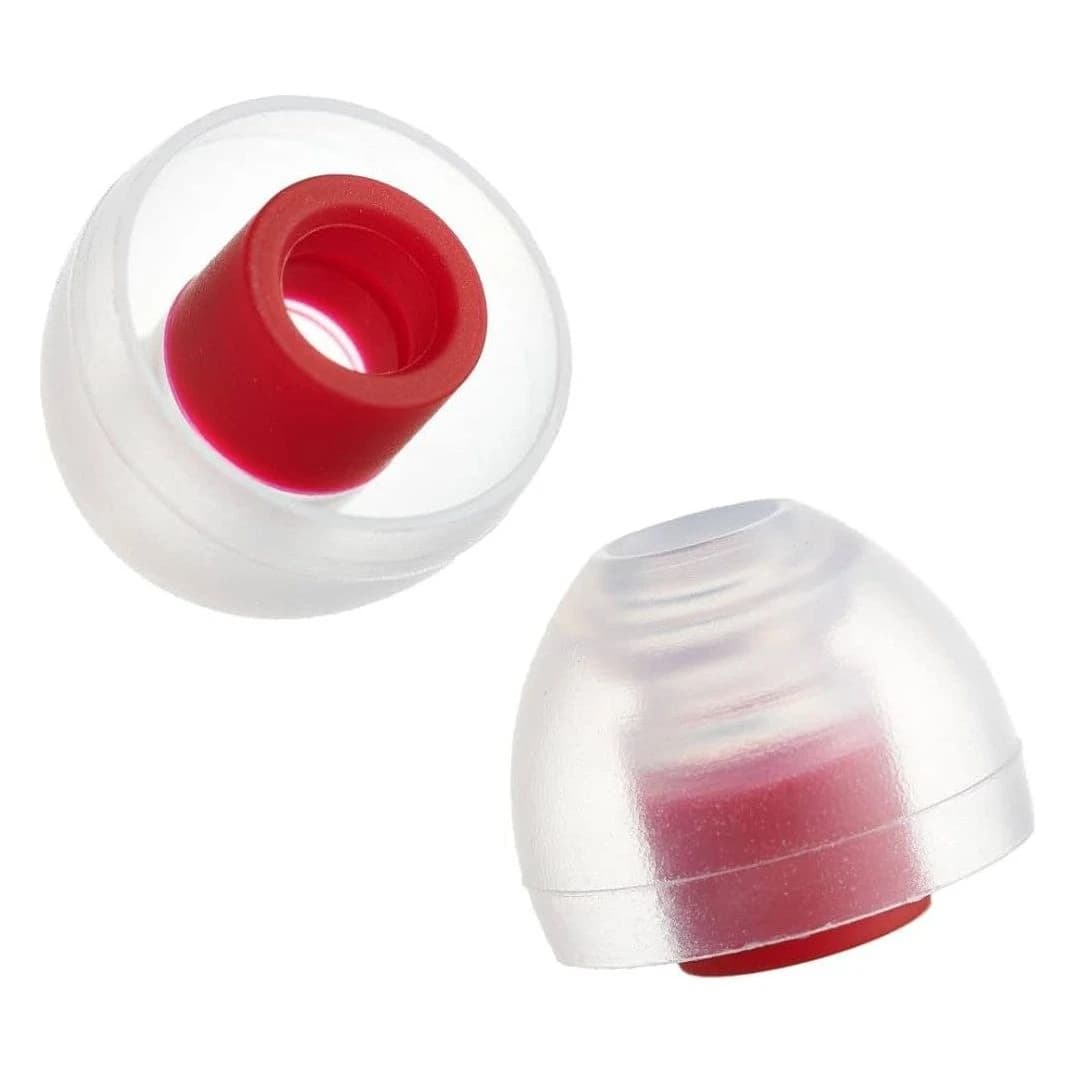
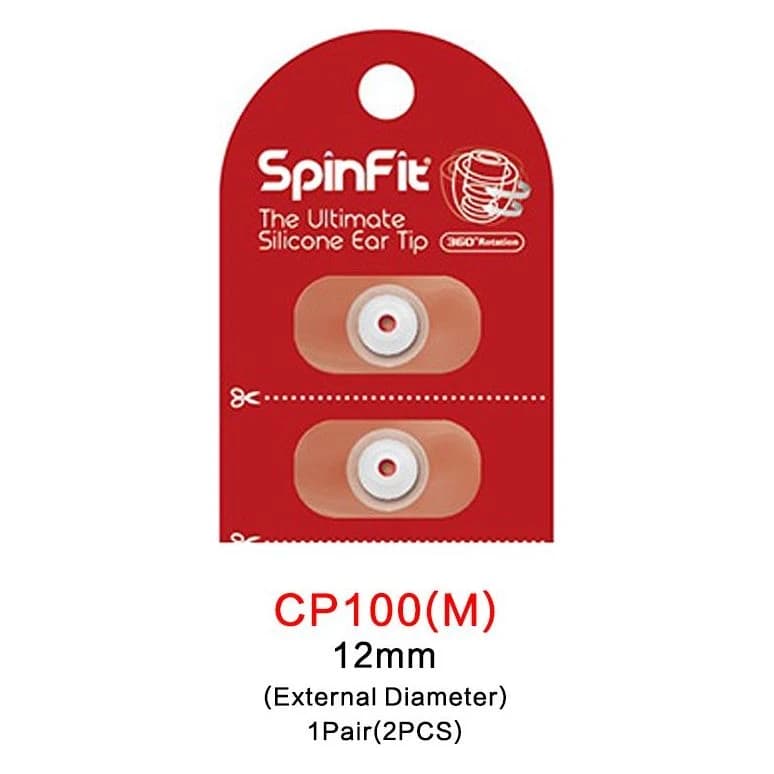
- The fit. An IEM only sounds like its graph when the tip seals your ear canal. If it leaks, you lose a good part of the bass, more than any file format costs. Our ear tips guide helps you find the right size.
- EQ. Two or three small corrections bring an IEM closer to what you like. EQ for beginners shows how.
- The master. The same song often exists in several versions, one squashed loud, another with more dynamics. A hi-res release is sometimes a different, more careful master, and that's what you hear.
- EDX Pro
- T2
Measured by Super* Review (IEC 711 clone), published on squig.link. Independent measurement, not by us. Measuring rigs differ slightly above 8 kHz.


Streaming services at the end of 2026
| Service | Best quality | Which plan |
|---|---|---|
| Spotify | FLAC up to 24-bit/44.1 kHz | Premium, at no extra cost. Switch it on yourself, per device. |
| Apple Music | ALAC up to 24-bit/192 kHz | Every paid plan |
| Tidal | FLAC up to 24-bit/192 kHz | One plan for everyone |
| Qobuz | FLAC up to 24-bit/192 kHz | Every plan |
| Deezer | FLAC 16-bit/44.1 kHz | Paid plans |
| Amazon Music | Up to 24-bit/192 kHz (Ultra HD) | Unlimited, not the single-device plan |
| YouTube Music | Up to 256 kbps AAC/Opus, no lossless | Premium (free is lower) |
Spotify added lossless in September 2025, at no extra cost for Premium. You switch it on yourself in the audio quality settings. Apple Music says Hi-Res Lossless above 48 kHz needs an external DAC, such as a USB-C dongle. Tidal dropped MQA in 2024 and now streams hi-res as plain FLAC, so you don't need MQA support on your DAC for it.
Mind your data plan
Lossless uses much more data than lossy: an hour of music at CD quality easily takes a few hundred megabytes. If you listen on mobile data, download your playlists over Wi-Fi first.
What we recommend
- If lossless is in your plan, switch it on. It costs nothing extra, and then you don't have to think about it any more.
- Don't switch services or pay more just for hi-res. If a service is good at finding music for you, that counts for more.
- Listening over Bluetooth? Then the codec sets the limit, not the file. On an iPhone that's AAC.
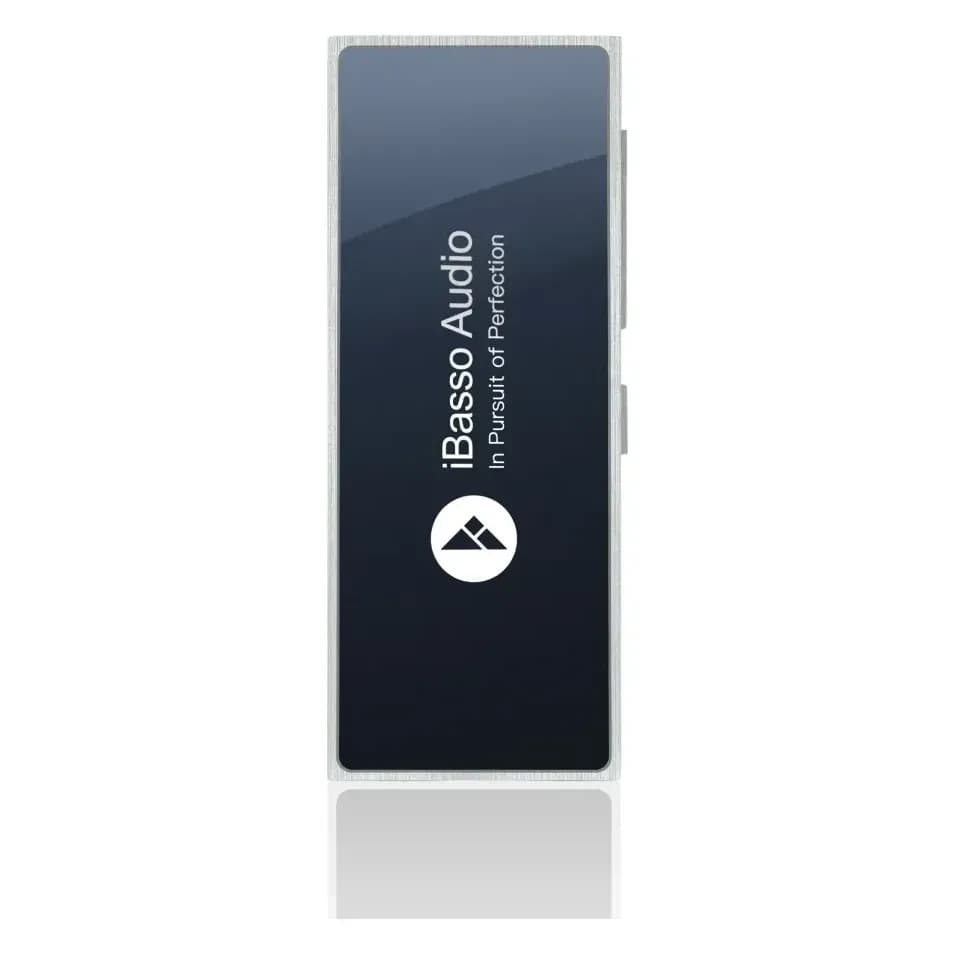
- Want to hear more detail? Spend on the IEM, the fit and a good dongle first, and on the format last.
Lossless is now the obvious default, because it's included almost everywhere. Hi-res is a nice bonus, mostly when a better master comes with it. The big gains are in everything between the file and your ear.
Products in this guide


Read next
- 7 min readBurn-in: myth or real?What does and doesn't change in the first weeks with new IEMs or headphones, what measurements show and how to compare fairly yourself.
- 6 min readHow to read a frequency-response graphWhat the squiggly line means, why IEMs peak around 3 kHz and how to use a graph to compare two models.
- 9 min readHi-fi glossary: soundstage, imaging, sibilance and moreThe words reviewers use, in plain language: what you hear, and where it shows on a frequency graph. From sub-bass and sibilance to soundstage, imaging and driver flex.