By Rejhan Kavazbasic · 8 min read · Updated 4 November 2026
Choosing headphones: open or closed, dynamic or planar
Every over-ear and on-ear headphone we sell side by side: open or closed, driver type, how much power it needs and how heavy it is. Plus which one suits where you listen.
Open or closed: decide where you'll listen
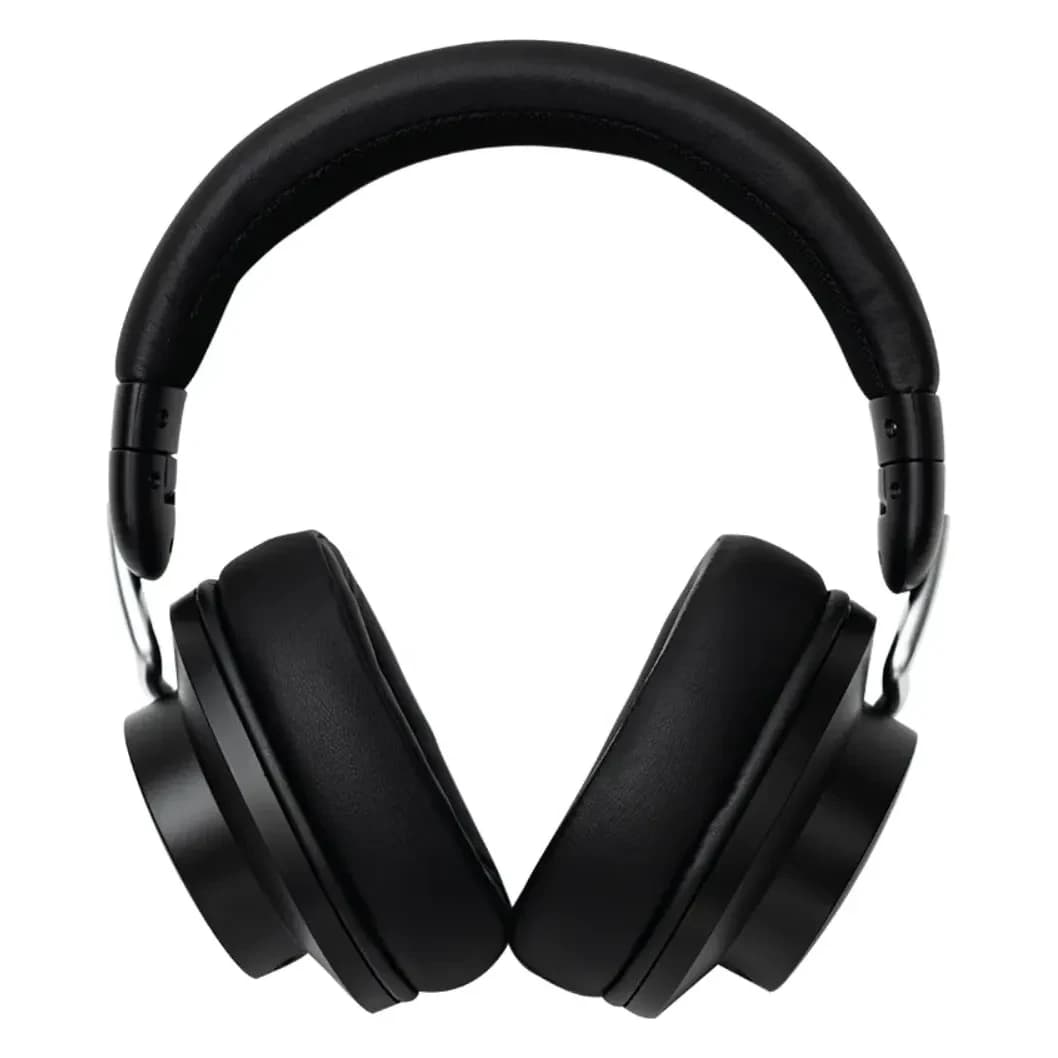
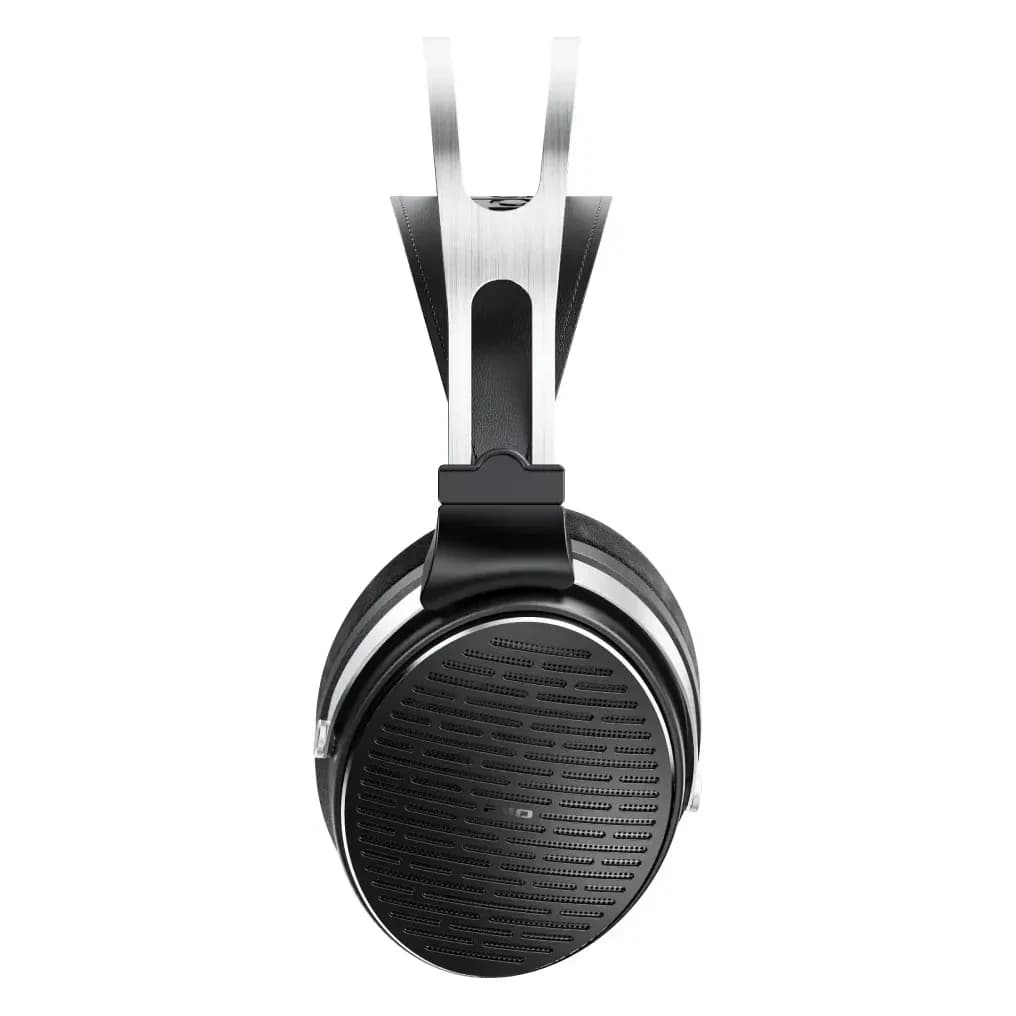
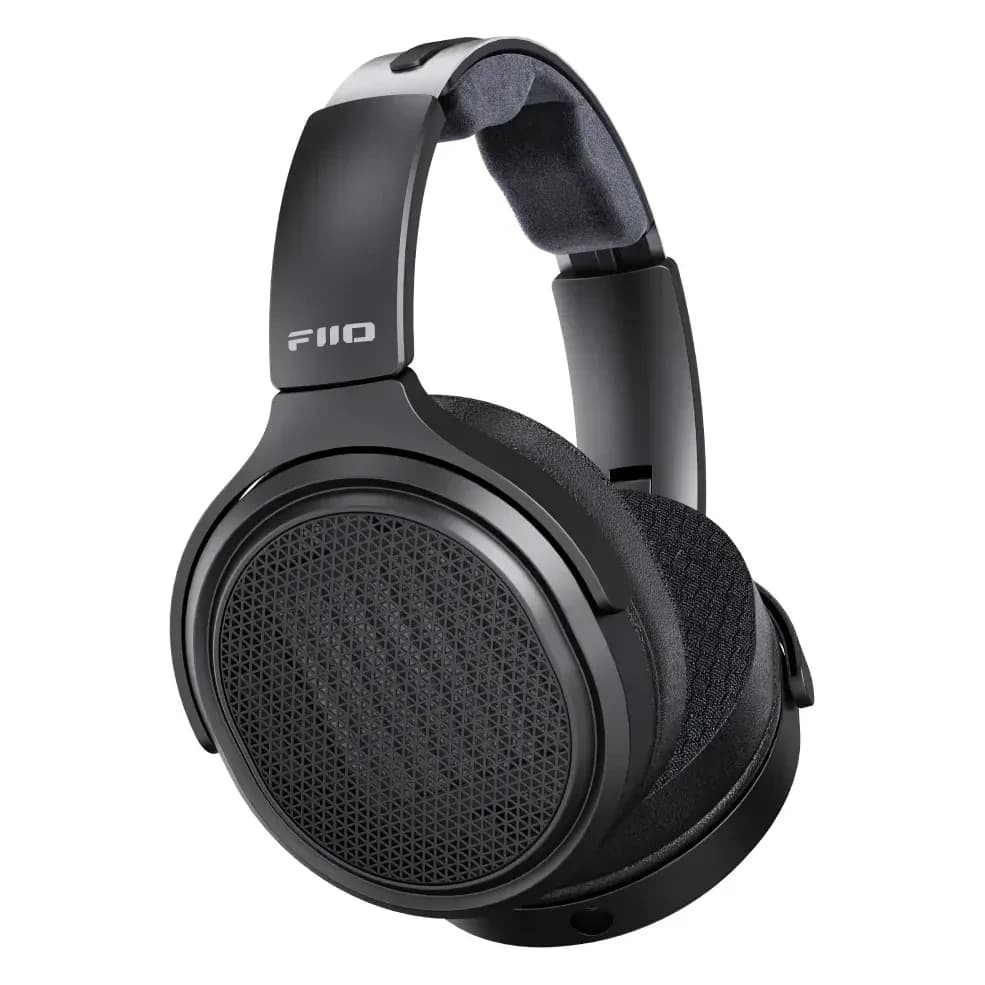
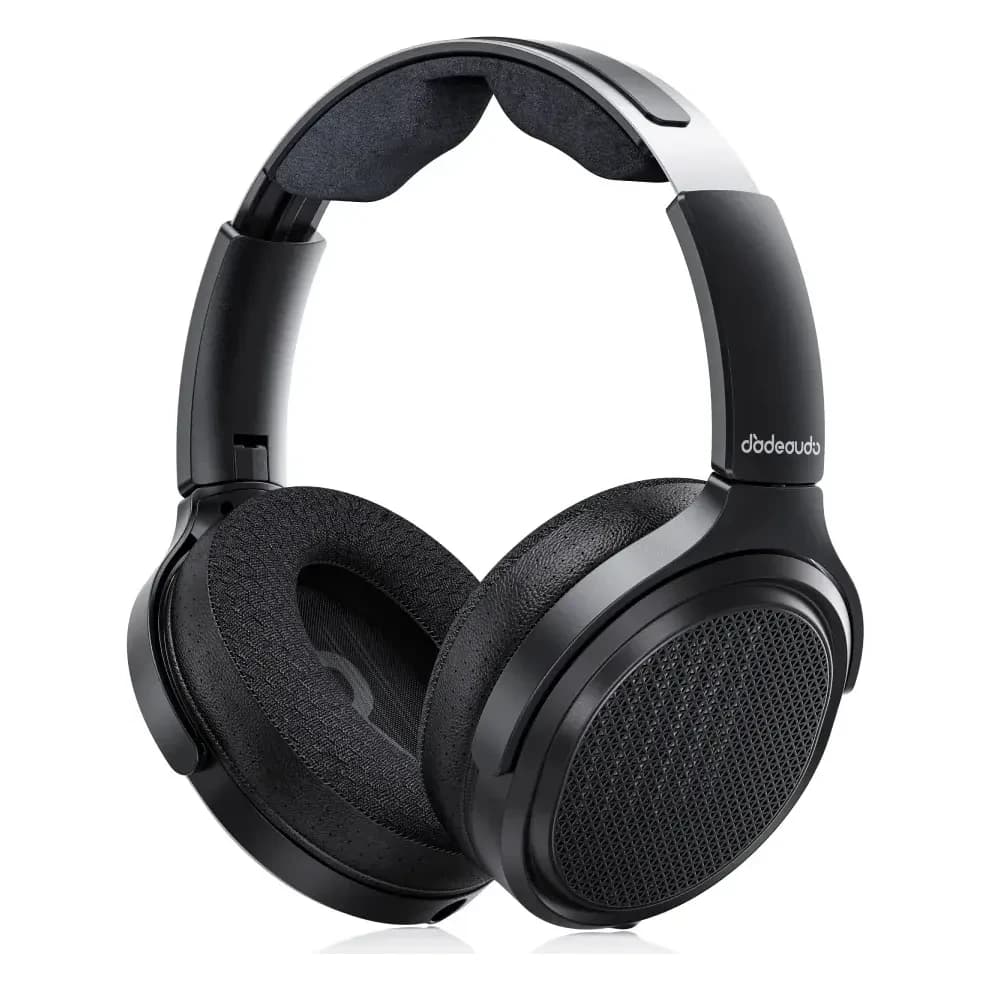
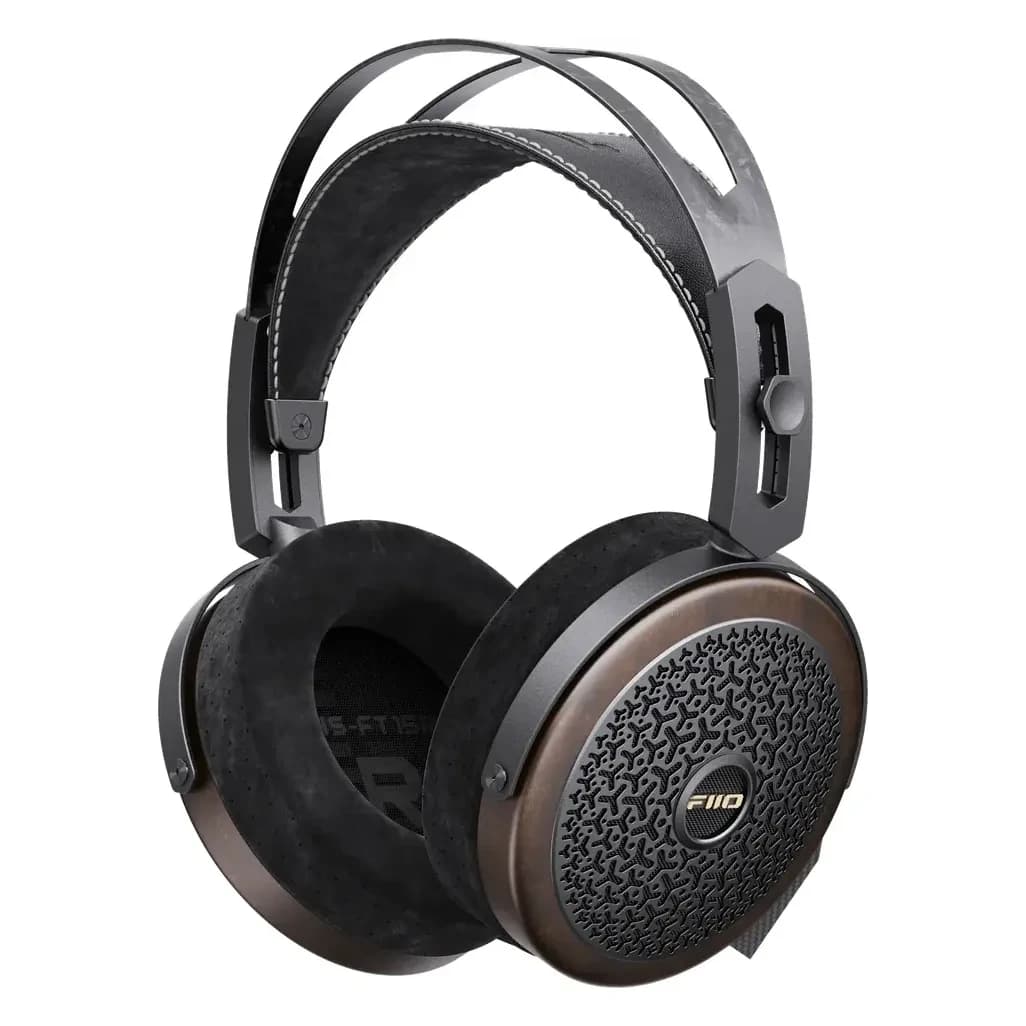
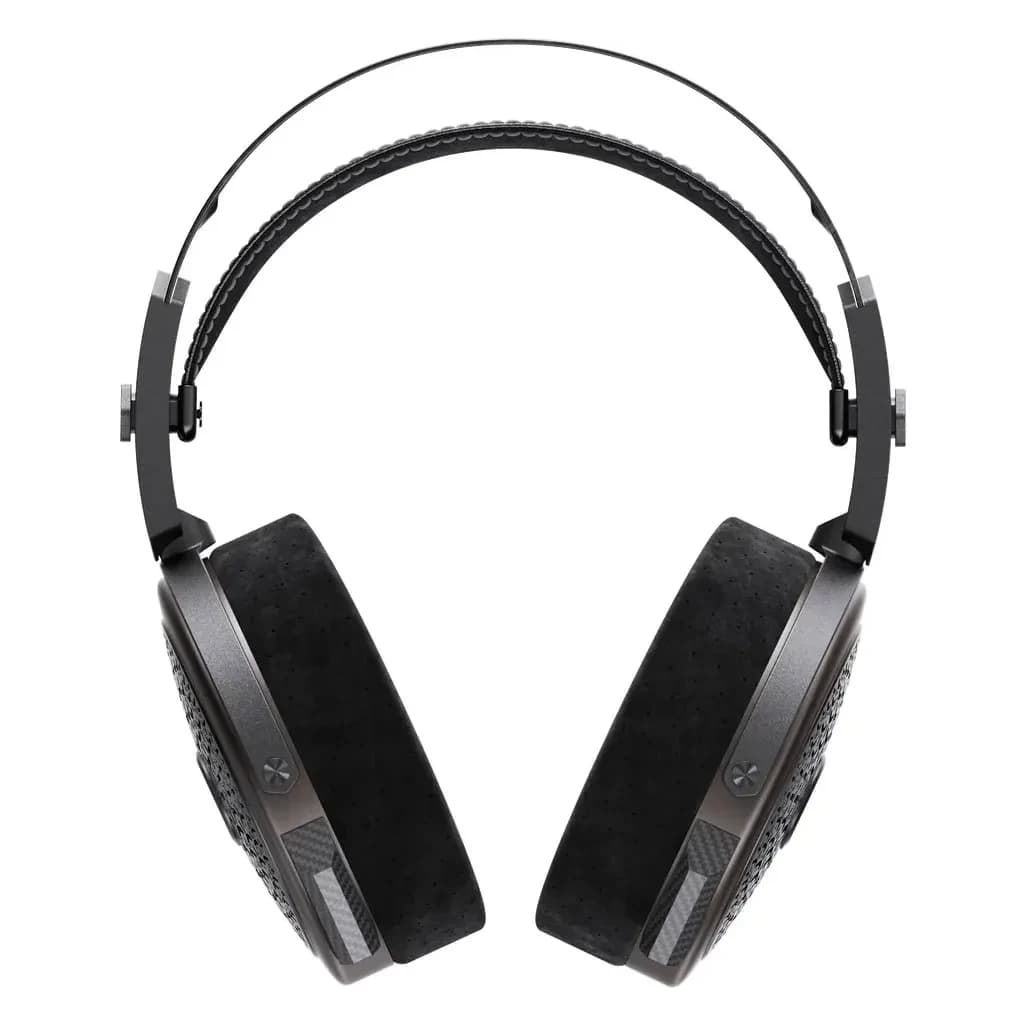
A closed-back headphone has solid cups. Sound stays in, outside noise is damped a little, and you can use it on a train, in an office or next to someone who's asleep. An open-back headphone has a grille behind the driver, so sound goes out as freely as it comes in. It sounds airier and less like the music is inside your head, but people around you hear what you're playing and you hear them. That makes open-back a headphone for at home.
There is one in between: the SnowSky Wind is semi-open and sits on the ear instead of around it. At about 50 grams it's the lightest we have, made for walking around with, not for a quiet office.
- Closed-back: FiiO SnowSky Nature, FiiO JT1, iBasso Jr. Brownie, WGZBLON B60, FiiO FT1, FiiO FT13.
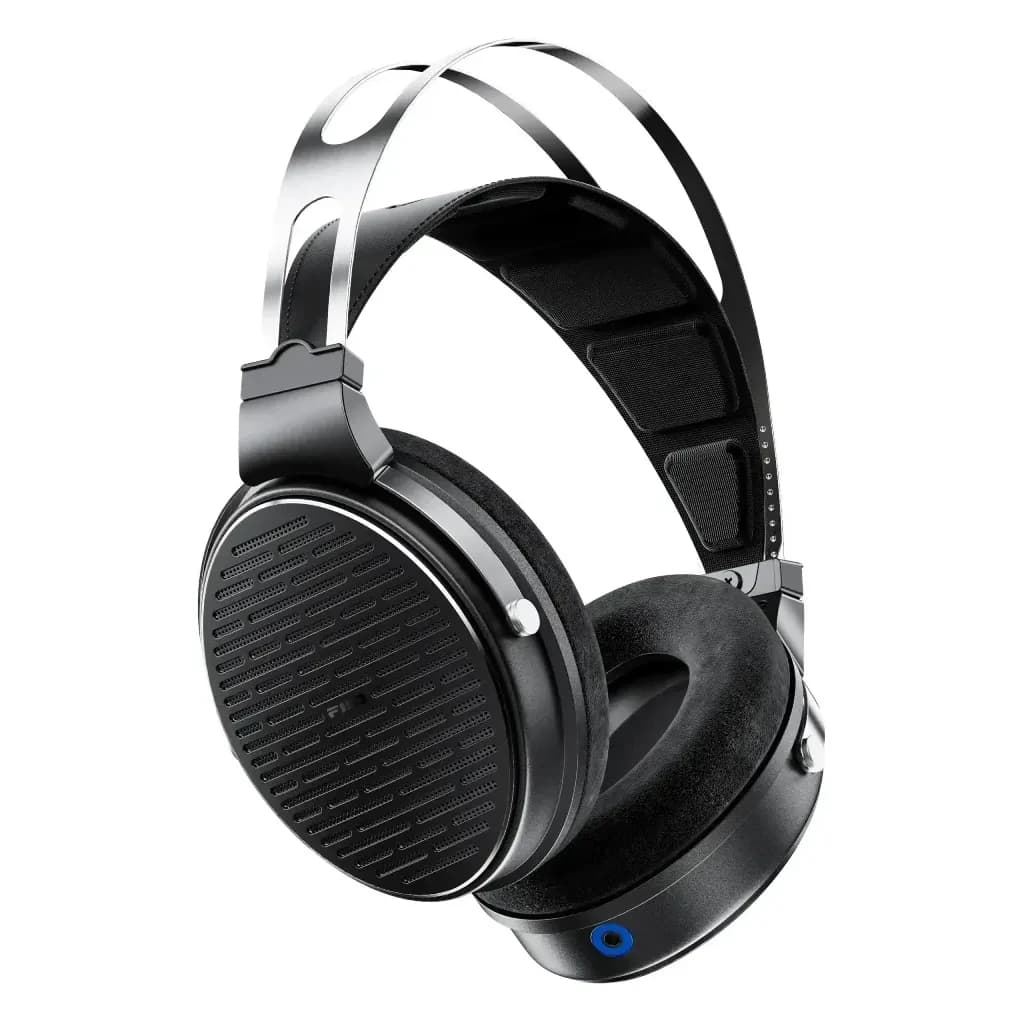
- Open-back: FiiO JT3, FiiO JT7, FiiO JT9, FiiO FT1 Pro, FiiO FT5, FiiO FT15, FiiO FT7.
- Semi-open on-ear: FiiO SnowSky Wind.
Shared room
Working from home with others in the room, or listening in bed next to a partner? Go closed-back, even if open-back appeals on paper.
Dynamic or planar
A dynamic driver is a cone with a voice coil glued to its centre: the coil moves in a magnet and pushes the cone. A planar-magnetic driver is a thin film with a conductor printed across it, held between rows of magnets, so the whole surface is driven at once instead of from the middle.
Dynamic
Moving diaphragm: punchy, natural bass
Balanced armature
Tiny, precise; often for mids and treble
Planar
Thin film between magnets: fast, detailed
In practice the difference you notice first is size and weight. The planar drivers in our range measure 90 to 106 mm across (the JT7, JT9 and FT1 Pro use an oval 95 by 86 mm), against 40 to 60 mm for the dynamic ones, and the magnets that drive them are heavy. Of the headphones with a listed weight, the open planars weigh 318 to 456 grams and the closed dynamic models 243 to 356 grams. If you wear headphones for hours, those 100 grams matter.
Planar drivers are often described as fast and detailed with deep, even bass. How a particular model sounds still depends on its tuning, so look at the measurement when there is one.
All models side by side
| Model | Type | Driver | Impedance | mW for 100 dB | Weight | Price |
|---|---|---|---|---|---|---|
| FiiO SnowSky Wind | Semi-open, on-ear | 40 mm dynamic | 32 Ω | 0.8 | 50 g | €22.90 |
| FiiO SnowSky Nature | Closed | 50 mm dynamic | 24 Ω | 0.8 | 280 g | €49.95 |
| FiiO JT1 | Closed | 50 mm dynamic | 32 Ω | Not listed | 355 g | €64.95 |
| FiiO JT3 | Open | 50 mm dynamic | 80 Ω | 2.0 | 330 g | €76.95 |
| iBasso Jr. Brownie | Closed | 45 mm dynamic | 32 Ω | Not listed | 243 g | €79.95 |
| WGZBLON B60 | Closed | 50 mm dynamic | 32 Ω | Not listed | Not listed | €99 |
| FiiO JT7 | Open | 95 × 86 mm planar | 18 Ω | 6.3 | 318 g | €119.95 |
| FiiO FT1 | Closed | 60 mm dynamic | 32 Ω | 1.6 | 340 g | €159.95 |
| FiiO JT9 | Open | 95 × 86 mm planar | 20 Ω | 3.2 | 365 g | €159.95 |
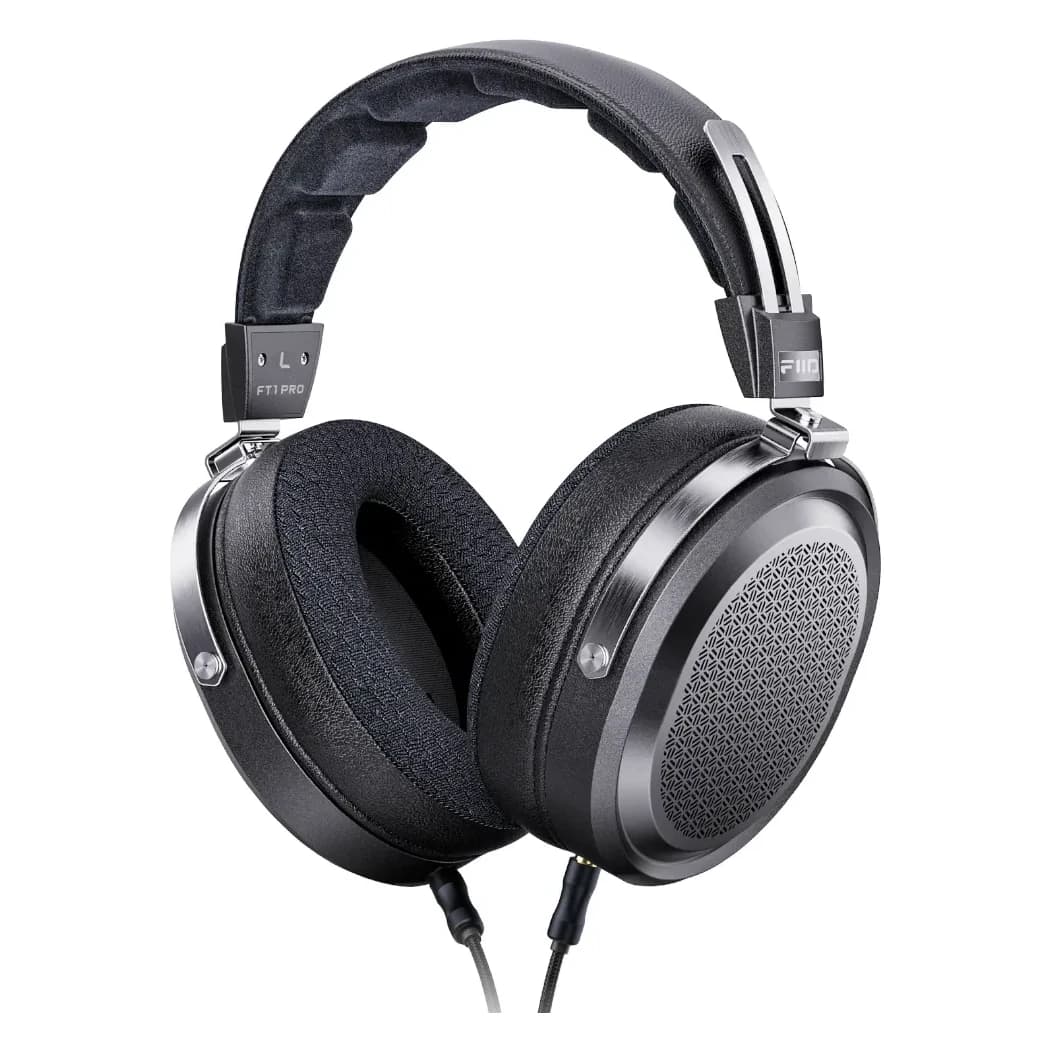
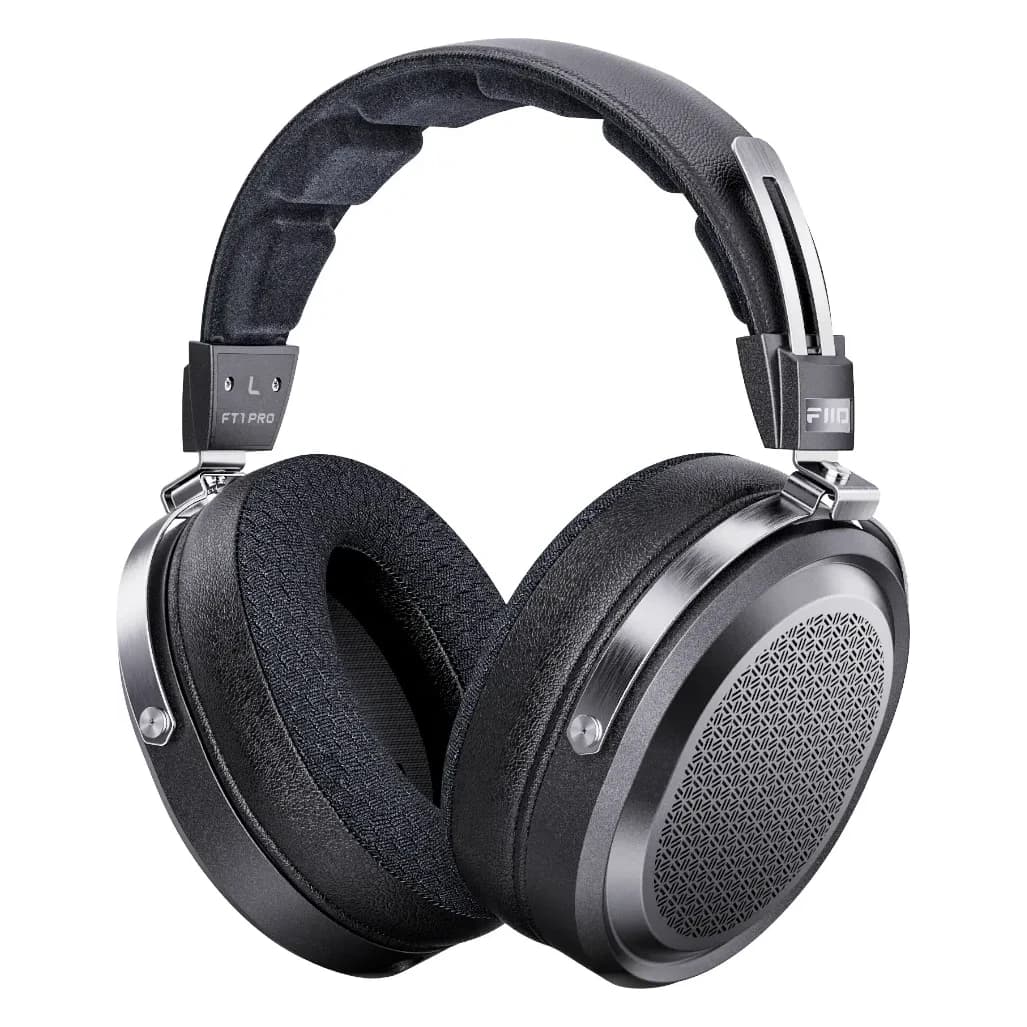
| FiiO FT1 Pro | Open | 95 × 86 mm planar | 20 Ω | Not listed | 374 g | €209.95 |
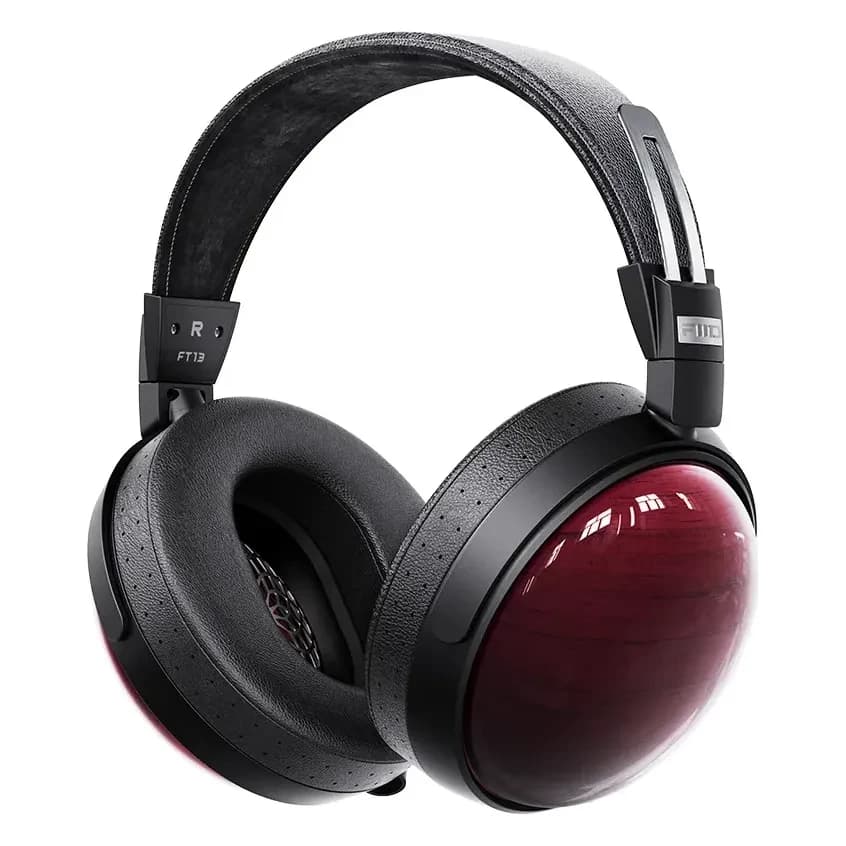
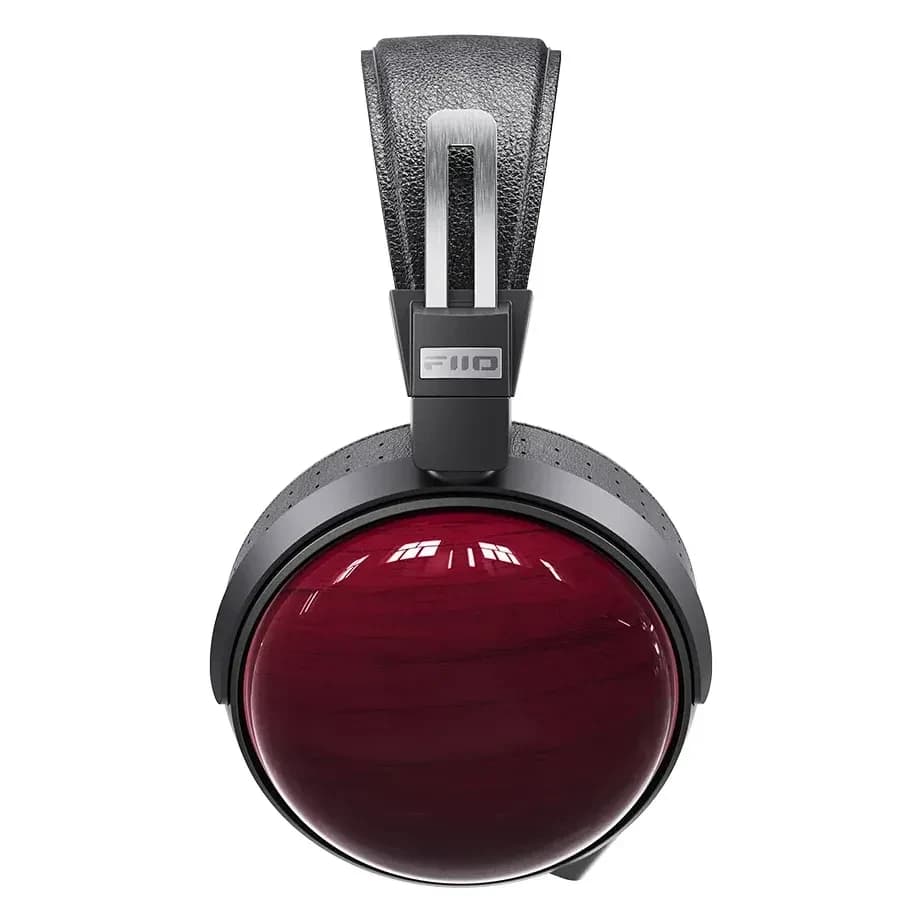
| FiiO FT13 | Closed | 60 mm dynamic | 32 Ω | 1.6 | 356 g | €329 |
| FiiO FT5 | Open | 90 mm planar | 36 Ω | 2.5 | 456 g | €429 |
| FiiO FT15 | Open | 101 mm planar | 24 Ω | 3.2 | 425 g | €499 |
| FiiO FT7 | Open | 106 mm planar | 25 Ω | 4.0 | 427 g | €749 |
The mW column answers the question people usually ask about impedance: will my phone or dongle drive it? Lower is easier. 100 dB is already very loud: the WHO reference for safe listening is 80 dB for 40 hours a week. Even the JT7, the least sensitive model here, needs 6.3 milliwatts for that. Compare the figure with the output power of your dongle or amplifier, which is in its specs. Impedance on its own says little: the 80 Ω JT3 needs less power for 100 dB than the 18 Ω JT7.
No headphone jack
A planar like the JT7 or FT5 on a phone without a headphone jack needs a USB-C dongle anyway. Our dongle guide compares them.
Measured: the FT1 and the FT1 Pro
Two of these headphones have a published measurement, both by Super* Review on the same rig, compared with the Harman OE 2018 target for over-ear headphones. They come from the same maker and price range, and still sound quite different.
- FT1 (beech)
- FT1 Pro
Measured by Super* Review (IEC 711 clone with KB006x pinna), published on squig.link. Independent measurement, not by us. Measuring rigs differ slightly above 8 kHz.
- The FT1 (closed, 60 mm dynamic) has the fuller low end: kick drums and bass guitar come forward. That suits pop, hip-hop and electronic music, and it helps against outside noise on the go.
- The FT1 Pro (open, planar) is leaner in the bass and closer to neutral. If you listen at home and prefer a more even sound, it's the one to pick of the two.
Which one suits you
- On the go, small budget: the SnowSky Wind (€22.90, about 50 g). Semi-open, so you still hear traffic.
- Closed for the train or office, under €100: the SnowSky Nature (€49.95) or the iBasso Jr. Brownie (€79.95), at 243 g the lightest closed over-ear with a listed weight.
- Open for at home, under €100: the JT3 (€76.95), a 50 mm dynamic driver in an open back.
- Your first planar: the JT7 (€119.95). The JT9 (€159.95) has a thinner 1 µm diaphragm and needs about half the power.
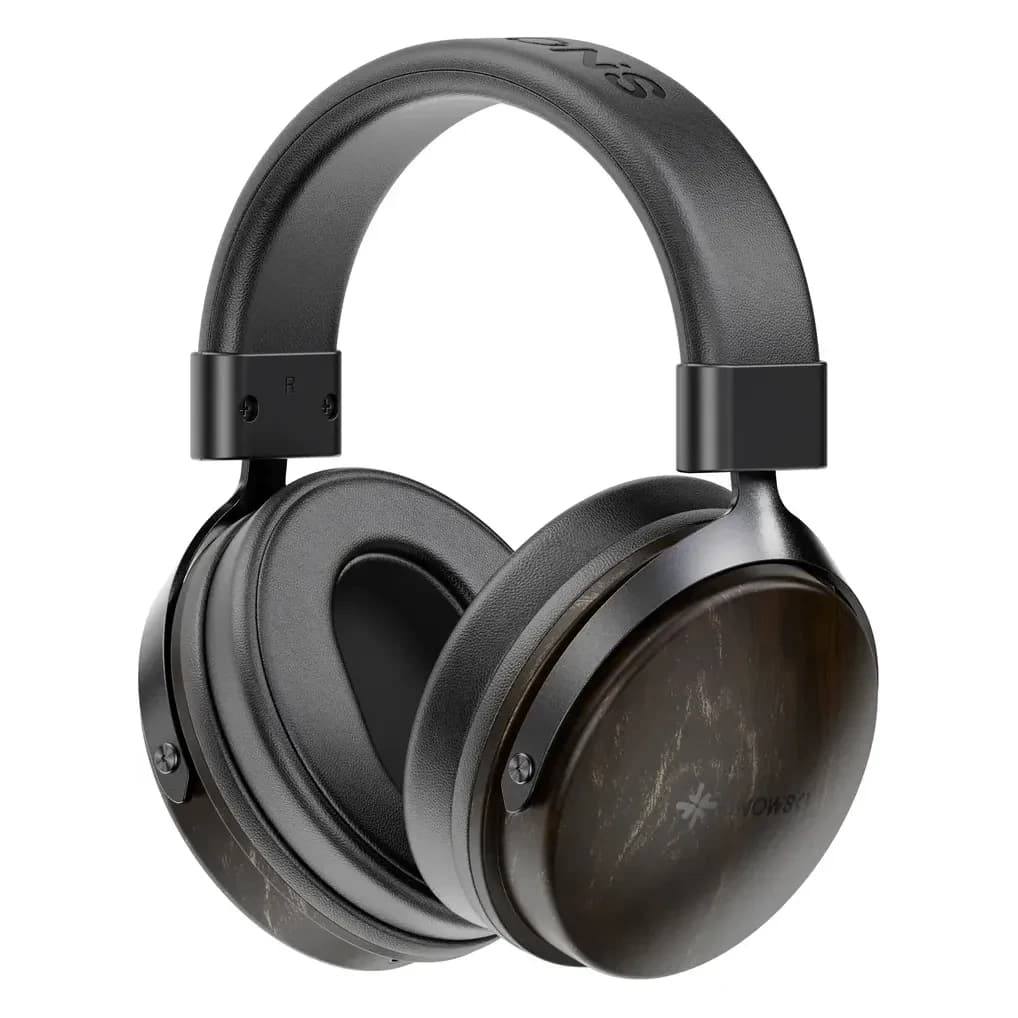
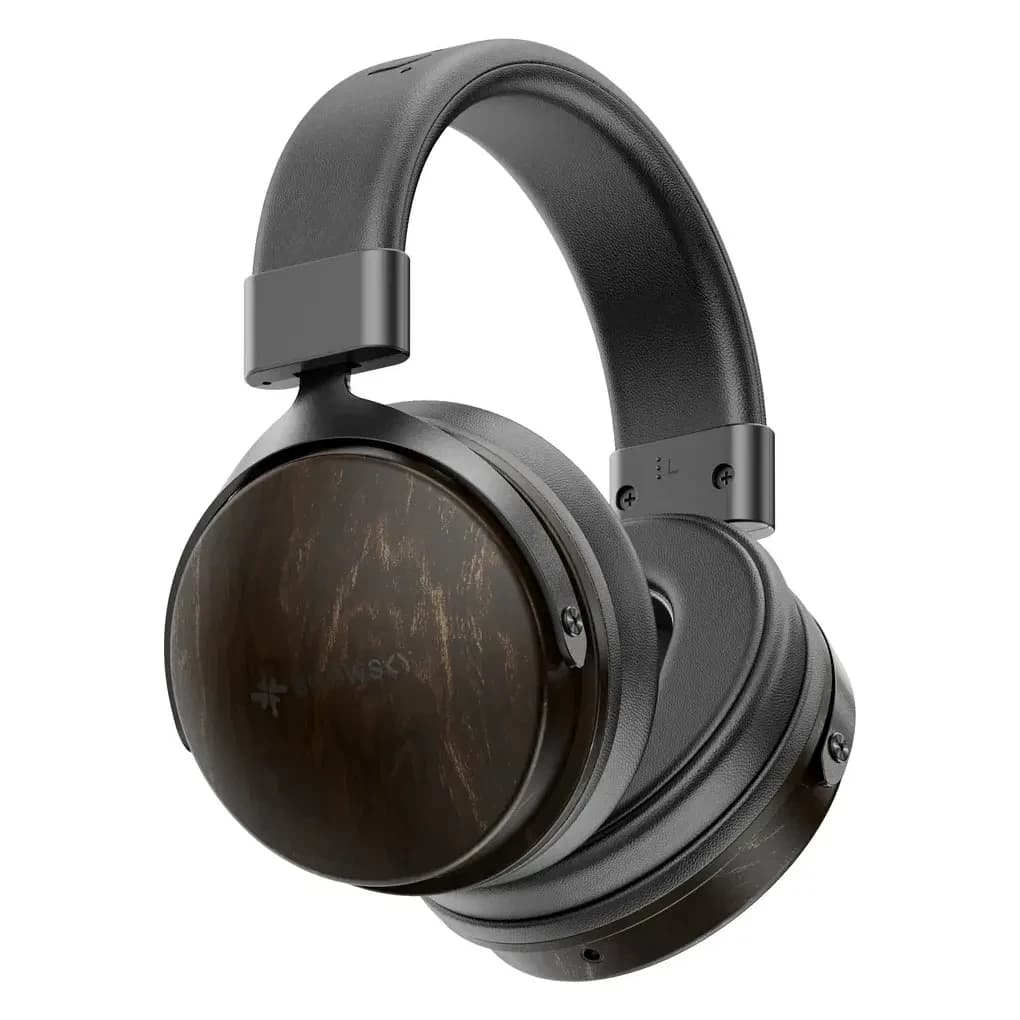
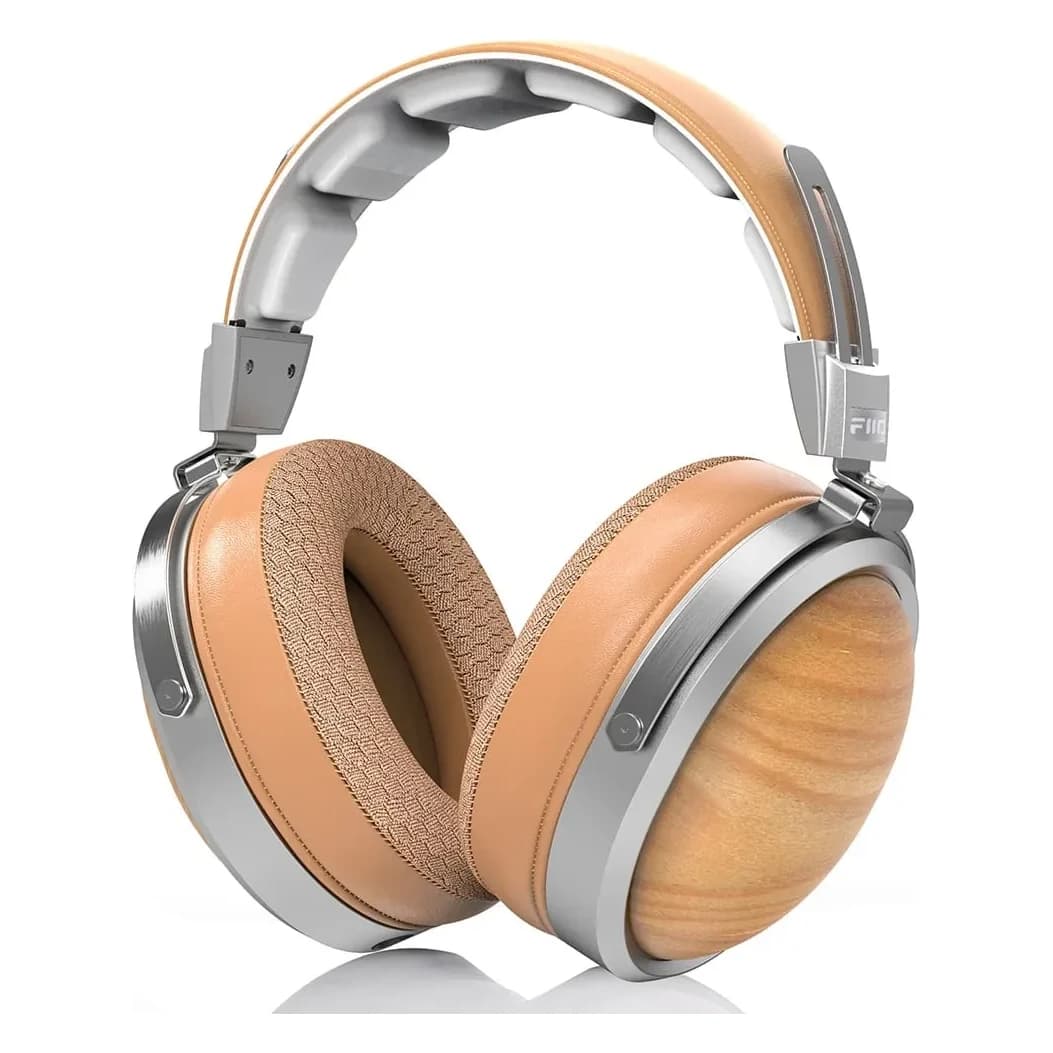
- Closed with wooden cups: the FT1 (€159.95, measured above) or the FT13 (€329).
- Open planar to keep for years: the FT5, FT15 and FT7 (€429 to €749), with drivers of 90 to 106 mm and 4.4 mm balanced cables in the box.
Most of these come from the distributor's warehouse. Some ship in 2 to 4 working days, others are made to order with a delivery time of 2 to 4 weeks. The product page always shows which.